


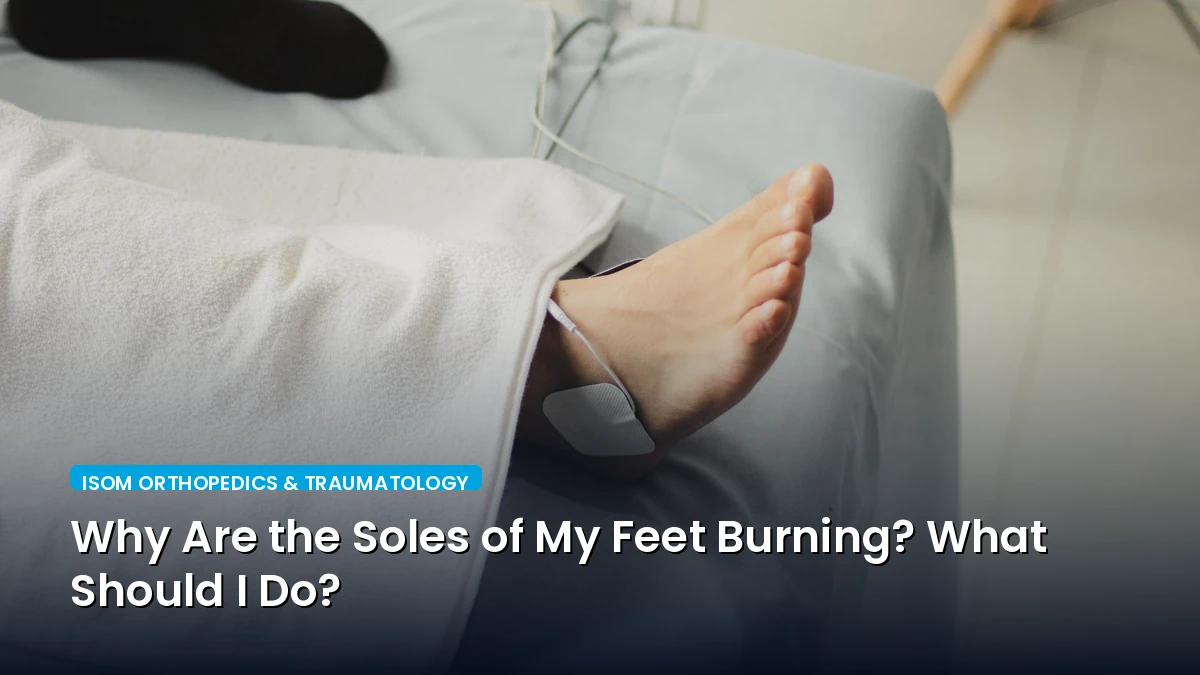
Burning in the sole can be linked to prolonged standing, unsuitable footwear, nerve sensitivity, skin irritation or the way the foot carries load. Burning that persists with rest, numbness, weakness or rapid change should be assessed by a clinician.
Key Points
- Why: Pressure, nerve function, skin and foot shape should be considered together.
- At home: Rest the foot and choose airy footwear with a comfortable sole.
- Avoid: Very hot water, forceful massage and tight shoes.
- Assessment: Seek timely care for loss of sensation, wounds, colour change or difficulty walking.
Why can the sole of the foot feel burning?
Burning is a symptom rather than a diagnosis. Pressure on the tissues under the foot, irritated nerves, skin inflammation and the way the arch distributes load can all create this sensation. The onset, location and triggers provide useful clues.
Burning during the evening is different from pain with the first steps in the morning. The clinician will ask whether it affects one foot or both, whether it is confined to one spot, and whether it changes with shoes, standing or walking. This article concerns the sole of the foot, not wrist or ankle complaints.
Why does prolonged standing increase burning in the sole?
Standing keeps the plantar tissues under load for a long period. Hard floors, few sitting breaks and footwear that does not distribute pressure can make the sole feel hot or irritated. Symptoms that appear late in the day and ease with rest often have a load-related component.
People who stand for work should consider the width, flexibility and cushioning of their shoes. A shoe may feel comfortable during a short walk yet become unsuitable during a long shift. Gradual activity changes and brief rest periods are safer than suddenly increasing the daily load.
How can nerve-related burning in the sole be recognised?
Nerve-related symptoms may feel like burning, tingling, electric shocks or numbness. Night symptoms, extreme sensitivity to socks, similar symptoms in both feet and difficulty sensing temperature can raise this possibility. These features still need a clinical assessment.
A nerve problem coming from the lower back may also cause symptoms along the leg or weakness. Burning at one pressure point may instead relate to a local nerve being irritated. Reduced sensation makes small wounds easier to miss, so a daily skin check is useful.
| Pattern | Possible link | First step | When to seek assessment |
|---|---|---|---|
| Burning in both feet late in the day | Load and footwear pressure | Rest and review shoes | Arrange care if recurrent |
| Burning with numbness | Nerve sensitivity or compression | Reduce pressure and inspect skin | Assessment if persistent |
| Burning with redness or cracks | Skin irritation or infection | Keep the area clean and dry | Prompt care for spreading changes |
| Burning with weakness | Possible nerve function change | Reduce load and fall risk | Timely clinical review |
What can help burning in the sole at home?
Start by reducing the load that clearly worsens the symptom. Take short rest breaks, let the feet breathe after activity and use socks that do not rub. Shoes should allow the toes to move, have a moderately flexible sole and avoid a tight pressure point.
If cooling is used, never place ice directly on the skin. Reduced sensation increases the risk of cold injury, just as very hot water can cause a burn. Stop any application if the skin changes colour or the sensation becomes uncomfortable. Do not cut, scrape or aggressively rub a blister or open area.
A simple symptom record can help. Note the shoe, standing time, exact location, time of day and response to rest. These details can make the examination more focused. Persistent symptoms should not be masked with repeated self-treatment.
Which footwear may reduce burning in the sole?
No single shoe is suitable for every foot. The toe box should allow the toes to spread without bending, and the sole should distribute pressure without forcing the foot into a rigid shape. If the outer sole is worn down on one side, load distribution may change.
Introduce new footwear gradually rather than wearing it for a long walk on the first day. Activity-specific shoes can help during sport, but repeated burning should not be managed only by buying inserts. A foot and walking assessment may clarify whether support is needed.
Walking barefoot on a hard floor for long periods may increase symptoms in some people. Very soft, unsupported slippers can also change loading. The aim is comfortable, balanced support rather than complete immobilisation.
When does burning in the sole require medical advice?
Arrange an examination when burning continues despite several days of reduced load, returns frequently or limits walking. Numbness, loss of sensation, difficulty moving the toes, imbalance, new weakness or marked swelling should not be ignored.
Seek prompt care for a wound, spreading redness, discharge, bruising, unusual warmth or a clear temperature difference. Fever, inability to bear weight after an injury or rapidly worsening pain may need urgent assessment. People with reduced sensation can miss small injuries.
The examination may include skin, circulation, sensation, strength, joint motion and walking pattern. Further tests are selected according to the findings. The aim is to identify the source of the burning rather than only suppress the sensation.
What treatments may be used for burning in the sole?
Treatment depends on the cause. Load-related symptoms may improve with activity changes, suitable footwear and movement training. A skin condition needs skin care and an appropriate medical plan, while nerve symptoms require attention to the source of nerve irritation.
Physiotherapy may address calf and foot flexibility, ankle motion, balance and walking mechanics. Exercises should be low load and should not increase symptoms. Numbness or clear weakness calls for assessment before starting a new exercise routine.
Medicines and other medical options should account for health conditions and current medicines. Self-treatment can hide important changes. Follow-up considers symptom frequency, walking distance and sensory findings.
How can daily habits reduce burning in the sole?
Check the feet daily for blisters, cracks, redness and altered sensation. Keep socks dry, wash gently and dry between the toes. Avoid sharp tools, intense heat and unplanned chemical products on cracked skin.
Increase walking gradually and observe symptoms when the surface, shoes or training plan changes. Gentle ankle and calf mobility can support comfortable movement, but increasing pain should not be pushed through. Foot and ankle exercise guidance is available in ankle exercises. Information about flatfoot and plantar fasciitis may help distinguish other foot conditions. Heel-focused symptoms are discussed in heel pain and heel spur guidance.
Frequently asked questions about burning in the sole
Can burning in the sole go away on its own?
Mild burning linked to temporary load or footwear may settle with rest. Recurrent, prolonged burning or burning with numbness should be assessed rather than repeatedly ignored.
Does hot water help burning in the sole?
Hot water can cause injury, especially when sensation is reduced. Avoid heat that cannot be accurately controlled and use a gentle, brief cooling approach only if the skin is safe.
What should I do if burning comes with numbness?
Remove tight footwear, inspect the skin and reduce pressure. Arrange an examination if it persists, and seek timely care for weakness or a change in walking.
Which specialist should assess burning in the sole?
Orthopaedics and traumatology can assess foot structure, loading and movement. The examination may guide referral to another service when nerve or general health findings are present.
Can I keep walking while the sole burns?
A short, easy walk may be reasonable for mild temporary symptoms if they do not increase. Stop when burning worsens, sensation is reduced or walking mechanics change.
Consult Our Orthopedic Specialists
Contact our medical team in Istanbul for questions about your diagnosis, surgical options, and appointment scheduling.