


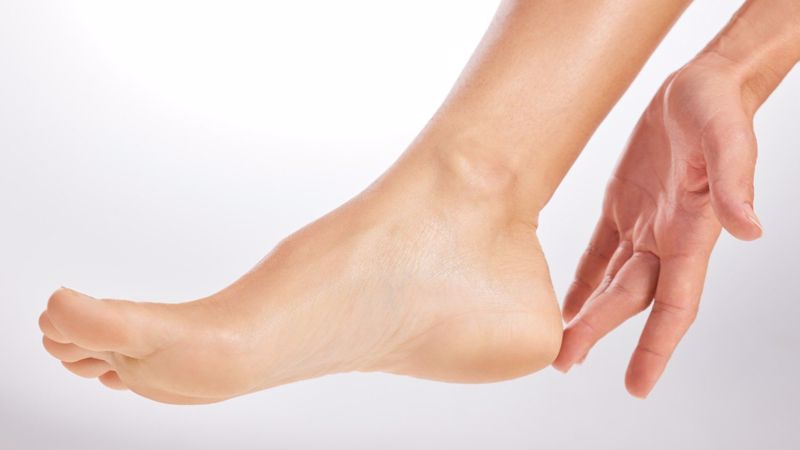
What Is a Heel Spur?
A heel spur is a bony growth that forms on the underside of the heel bone. It is usually associated with inflammation of the plantar fascia, the band of tissue on the sole of the foot. A heel spur can cause sharp pain when you get up in the morning or take your first steps after sitting for a long time.
How Does a Heel Spur Form?
A heel spur forms when excessive pressure is placed on the heel bone. This usually results from activities such as standing, walking or running for long periods. Wearing the wrong shoes, excess weight, flat feet and ageing can also increase the risk of a heel spur.
How Is a Heel Spur Treated?
Heel spur treatment varies depending on the severity of the condition and the individual. In the first stage, rest, ice and anti-inflammatory medication are recommended to relieve pain and reduce inflammation. Orthopedic insoles can reduce pressure by supporting the arch of the foot. Physical therapy may include specific exercises to stretch the plantar fascia and ease heel spur symptoms.
Advanced Treatment Options
If conservative treatments are not enough, more advanced options may be considered. These include corticosteroid injections, extracorporeal shock wave therapy (ESWT) and, in rare cases, surgery. Shock wave therapy uses sound waves to reduce stress on the heel spur and speed up healing.
When Is Treatment Needed?
Heel spur treatment is applied to people who feel severe pain with their first steps in the morning, feel discomfort after standing or walking for long periods, or have orthopedic problems.
Frequently Asked Questions
Can a heel spur heal completely?
- Yes, with appropriate treatment a heel spur can heal completely.
How long does treatment take?
- Treatment can take from a few weeks to a few months, depending on the patient's condition.
What kind of shoes should I wear?
- Supportive shoes with orthopedic insoles are recommended.
Is surgery necessary?
- Conservative treatments are usually sufficient; surgery is rarely needed.
When should I start physical therapy?
- Physical therapy can begin once the pain eases, on your doctor's advice.
Which exercises can I do at home?
- You can do foot stretches and plantar fascia stretching exercises.
Is shock wave therapy painful?
- Shock wave therapy may cause mild discomfort, but it is an effective treatment method.
How can I prevent a heel spur?
- Choosing the right shoes, controlling your weight and exercising regularly can help prevent it.
Why does a heel spur come back?
- Insufficient treatment or ongoing risk factors can cause a heel spur to recur.