


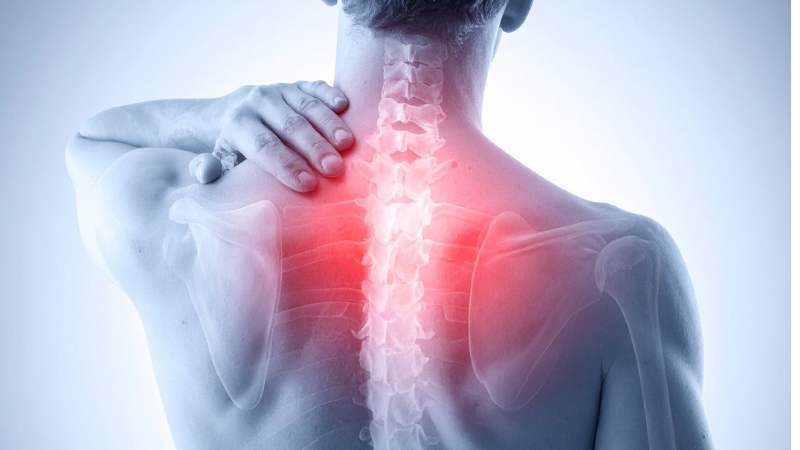
In daily life, many people look for the answer to the question “Why does my back hurt, what could be the cause?” The back has a complex structure composed of muscles, the spine, nerves, and joints. Therefore, the source of pain can vary greatly. Sometimes simple factors such as poor sitting posture, and sometimes more serious conditions such as a herniated disc or nerve compression, can lead to back pain. The sections below are prepared based on the most frequently asked and searched questions.
Most Common Causes of Back Pain
A large portion of back pain originates from lifestyle factors. Working at a desk, inactivity, poor posture, or insufficient muscle strength cause muscles to tense up and lead to pain. However, not all back pain is due to simple causes; some can be a sign of an underlying serious health issue.
Muscle Tension and Postural Disorders
Sitting at a desk for long periods, hunching over a phone, or carrying a heavy bag places an excessive load on the back muscles. When muscles are constantly strained, circulation is impaired, which triggers pain. In particular, the habit of slouching and rolling the shoulders forward weakens the back muscles, turning pain into a chronic condition.
Inactivity and Weak Back Muscles
When regular exercise is not performed, the back muscles are not strong enough to support the body. This disrupts the normal load balance of the spine and creates an intense feeling of pressure in the back. Inactivity causes muscles to lose flexibility and can lead to experiencing pain even with minor movements.
Overexertion and Sudden Movements
Heavy lifting, an awkward movement, rapid twisting, or sudden loads during sports can cause micro-tears in the muscles. In this case, the back may suddenly feel “locked,” making movement difficult. Such strains can cause severe pain lasting for several days.
Causes of Spine-Related Back Pain
A portion of back pain originates from spinal conditions. When the structure of the intervertebral discs deteriorates or osteoarthritis develops, the pain becomes deeper, more persistent, and sometimes noticeable even while breathing.
Slipped Disc (Herniation) and Nerve Compression
A herniated disc occurs when the disc between vertebrae bulges and presses on a nerve. As pressure increases, burning, stabbing, or pain radiating to the arm may develop in the back. In nerve compression, numbness and tingling may also occur in the arm, shoulder, or under the shoulder blade. Such pains usually do not resolve on their own.
Osteoarthritis (Calcification)
With advancing age, wear and stiffness occur in the spinal joints. This process is known as osteoarthritis. Osteoarthritis can make the back feel stiff and painful in the morning. It eases somewhat with movement during the day, but standing for long periods increases the pain.
Spinal Curvatures Such as Scoliosis and Kyphosis
Curvature of the spine in an “S” or “C” shape causes the back muscles on one side to carry more load than necessary. This condition can lead to back pain that often begins at a young age and increases over time. As the curvature progresses, posture deteriorates and pain recurs more frequently.
Back Pain Originating from Internal Organs
Some back pain is not related solely to muscles or the spine. Diseases affecting internal organs can also produce pain referred to the back area. Therefore, back pain that starts suddenly, is very severe, or is accompanied by other symptoms must be evaluated more carefully.
Kidney Infections or Stones
Kidney stones or infections can cause severe, deep pain radiating to the back. Particularly if unilateral pain is felt in the upper lower-back area and is accompanied by symptoms such as burning during urination, fever, and nausea, the kidneys may be the cause. This situation may require emergency intervention.
Lung Problems
Pneumonia, pleurisy (inflammation of the lung lining), or intense coughing can cause a sharp, stabbing pain in the upper back. Pain that worsens with breathing is particularly characteristic of lung-related problems.
Stomach, Gallbladder, and Intestinal Problems
Reflux, stomach spasms, or gallstones can cause pain that radiates to the back in some individuals. Pain that intensifies especially after meals may originate from the digestive system. Such pain can be confused with spinal pain.
Daily Habits That Trigger Back Pain
The causes of back pain often stem from inadvertent mistakes in daily life. Even small changes in habits can help reduce pain.
Improper Mattress and Pillow Selection
An overly soft mattress causes the body to sink unevenly. An excessively firm mattress does not properly support the spinal curvature. Poor mattress selection unnecessarily strains the back muscles throughout the night, leading to waking up in pain in the morning.
Improper Use of Phones and Computers
Looking down at a phone for extended periods causes the postural disorder known as “tech neck.” This condition affects the entire spinal line down to mid-back level, creating significant strain on the back muscles.
Stress and Muscle Tension
Stress causes involuntary contraction of muscles. The back and neck regions in particular bear the brunt of stress. Prolonged stress manifests as muscle knots, stiffness, and tension.
Conclusion
The answer to the question “Why does my back hurt, what could be the cause?” spans a broad spectrum from lifestyle factors to spinal conditions, and from muscle tension to internal organ issues. If the pain started suddenly, is severe, radiates to your arm or chest, or has persisted for a long time, consulting a specialist is the most appropriate step. Early diagnosis accelerates treatment and prevents more serious complications.
Contact Us
To learn more about back pain or to receive professional support, you can review all our services via our Home Page , get to know our team in the About Us section, and reach out to us through our Contact page. Do not forget to follow our Instagram account for daily informative content and tips.