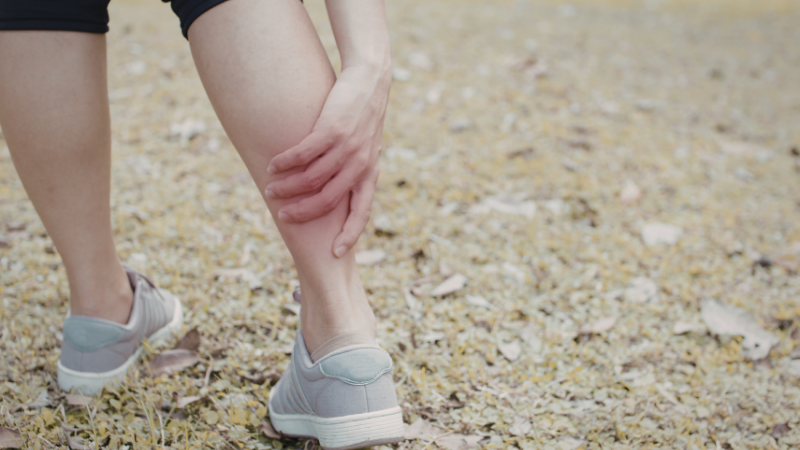
How to Relieve Leg Pain
Leg pain is a frequent health complaint that directly affects daily living, making walking, standing, and physical activity challenging. Ranging from mild fatigue to sharp aching, leg pain can arise from diverse origins including muscular strain, spinal nerve compression, or circulatory disturbances. Identifying the underlying cause is essential for implementing the most effective relief strategies. While many cases respond favorably to simple conservative home measures, persistent or severe pain necessitates thorough medical evaluation.
What Causes Leg Pain?
Leg pain can be triggered by a wide range of anatomical and physiological factors. Determining the exact source ensures that corrective steps address the true root of discomfort rather than merely masking symptoms.
Muscle Strains and Overexertion
Intense workouts, long walks, or lifting heavy loads without proper conditioning can cause muscle fatigue and micro-tears in thigh and calf muscle fibers. Dehydration and electrolyte deficiencies also frequently lead to painful muscle spasms and cramps.
Nerve Compression and Sciatica
Nerve roots exiting the lower spine can become compressed due to lumbar disc herniation or spinal stenosis. This irritation generates sharp, burning, or shooting pain that radiates down the buttocks into the thigh, calf, and foot, a condition clinically termed sciatica.
Circulatory Problems
Insufficient venous blood return or arterial circulation can cause persistent leg aching, heaviness, and swelling. Venous insufficiency often causes a sensation of heaviness in the calves that worsens toward the end of the day.
What Home Remedies Help Relieve Leg Pain?
In many non-emergency situations, conservative self-care methods can provide substantial symptomatic relief and facilitate muscle recovery.
Rest and Leg Elevation
Allowing fatigued muscles to rest is a fundamental first step. Elevating the legs on pillows above heart level assists venous drainage, diminishes swelling, and eases hydrostatic pressure in lower extremity veins.
Hot or Cold Applications
For acute muscle strains of recent onset, applying a cold pack wrapped in a towel for 15 minutes reduces local inflammation and edema. For chronic stiffness or lingering muscle tension, warm compresses relax tight fibers and stimulate healing blood flow.
Gentle Stretching Exercises
Slow, controlled stretching relieves muscle tightness and improves tissue flexibility. Gentle stretching helps release accumulated muscle tension without overtaxing sensitive joint structures.
Which Exercises Help Reduce Leg Pain?
Consistent, low-impact exercise strengthens lower extremity muscles, improves circulation, and protects joints from mechanical strain.
Calf Stretch
Stand facing a wall with hands supported at chest level. Step one leg back, keeping the heel firmly planted on the floor and the back knee straight. Gently lean forward until you feel a comfortable stretch in the calf. Hold for 20 to 30 seconds and repeat.
Hamstring Stretch
Sit on the floor with legs extended forward. Keeping your back tall and straight, gently reach your hands toward your ankles or toes until a stretch is felt in the back of the thighs. Hold comfortably without bouncing.
Brisk Walking
Regular walking stimulates the calf muscle pump, enhancing venous return to the heart. A daily brisk walk of 20 to 30 minutes improves endurance and prevents circulatory stagnation.
When Should You See a Doctor for Leg Pain?
Although many leg aches subside with rest, certain warning symptoms require professional medical assessment to rule out severe conditions.
Pain That Persists for Several Weeks
Leg pain that fails to decrease after two to three weeks of conservative care may indicate structural joint disease, severe nerve impingement, or chronic vascular disease.
Swelling, Numbness, and Tingling
The presence of noticeable swelling in one leg, localized redness, numbness, or loss of sensation may indicate nerve compression or deep vein thrombosis, requiring immediate evaluation.
Pain That Significantly Impairs Walking
Severe pain that prevents weight-bearing or restricts essential daily movement should always be promptly examined by an orthopedic or neurological specialist.
To learn more about leg pain and musculoskeletal health, you can visit our home, about us, contact and blog pages; and for updated exercise tips and informative content, follow our Instagram account.