


What Causes Kneecap Pain?
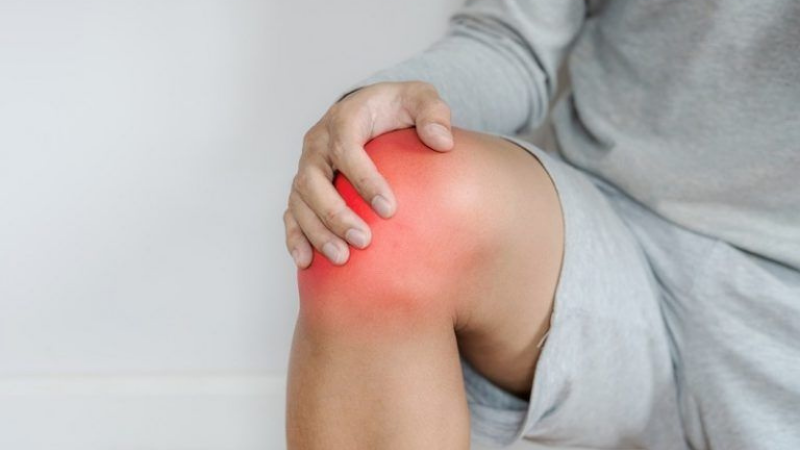
Kneecap pain is a common orthopedic complaint felt in the front of the knee that can significantly impair mobility and daily comfort. Often noticeable during squatting, climbing stairs, or standing up after sitting for long periods, this discomfort is typically linked to disruptions in patellofemoral tracking. The patella moves along a dedicated groove on the femur, guided harmoniously by muscles, tendons, and articular cartilage. When mechanical stress or muscular imbalances occur, increased pressure generates pain around the kneecap. Understanding these underlying triggers is the first step toward effective rehabilitation and lasting relief.
Why Does Kneecap Pain Develop?
Anterior knee pain rarely arises from a single isolated issue. Daily physical habits, quadriceps conditioning, joint biomechanics, and athletic routines all directly affect patellar loading. When the kneecap does not glide symmetrically, friction against the cartilage causes localized irritation. Consequently, a comprehensive clinical evaluation of the hips, thighs, and feet is essential to resolve kneecap discomfort permanently.
Muscle Weakness and Imbalances
The quadriceps muscles on the front of the thigh provide crucial active stabilization for the kneecap. If these muscles lack adequate strength or if imbalances exist between the inner and outer thigh muscles, the patella is pulled off-center. Weakness in the vastus medialis oblique often allows the kneecap to shift laterally, placing excessive stress on the underlying cartilage and causing pain during weight-bearing movement.
Overuse and Repetitive Loading
Repetitive high-impact activities such as long-distance running, jumping, and deep knee flexion place ongoing demands on patellar tissues. Without adequate rest and recovery intervals, microtrauma accumulates in the surrounding soft tissues. Overuse-induced anterior knee irritation is particularly prevalent in athletes and active individuals, and can progressively worsen if training loads are not modified.
Faulty Movement and Postural Habits
Poor exercise execution, such as allowing the knees to cave inward during squats or lunges, multiplies pressure across the patella. In daily life, sitting with sharply flexed knees for hours or wearing unsupportive footwear similarly impairs lower limb mechanics. For sedentary professionals, prolonged sitting weakens the gluteal and thigh muscles, reducing active joint support.
Which Conditions Cause Kneecap Pain?
Beyond muscular strain, specific anatomical and structural issues within the knee joint can cause kneecap pain. Distinguishing between these conditions ensures proper targeted management.
Cartilage Wear (Chondromalacia Patellae)
The protective cartilage on the posterior surface of the kneecap can soften and deteriorate due to chronic friction. This condition, known as chondromalacia patellae, causes dull aching and grating sensations, especially when descending stairs or inclines. It is frequently diagnosed in young adults and athletes.
Meniscus Problems
The menisci serve as vital shock-absorbing cushions between the femur and tibia. A meniscus tear or degenerative degeneration can produce localized joint pain, swelling, and clicking that radiates toward the anterior knee, often mimicking primary kneecap issues.
Ligament Injuries
Trauma involving sudden deceleration, twisting, or collisions can sprain or tear the cruciate or collateral ligaments. Ligament laxity creates knee instability, forcing the patella and surrounding tendons to absorb abnormal compensatory forces.
When Is Kneecap Pain Most Frequently Seen?
Certain lifestyle patterns and physical demands elevate the likelihood of developing kneecap pain. Assessing these risk factors helps identify appropriate preventive steps.
Prolonged Sedentary Desk Work
Sitting for extended periods with knees bent at a ninety-degree angle maintains continuous tension on the patellar tendon and cartilage. This static load explains why office workers frequently experience sharp anterior knee stiffness upon rising.
Active Sports Participants
Athletes in sports requiring repetitive jumping and pivoting—such as running, basketball, and soccer—are prone to patellofemoral stress. Inadequate warm-up routines or sudden increases in workout intensity significantly increase injury susceptibility.
Excess Body Weight
Carrying extra body weight increases joint compression forces across the knee with every step. Over time, this chronic mechanical overload accelerates cartilage wear and heightens pain sensitivity.
How Can Kneecap Pain Be Prevented?
Protecting the kneecap involves building balanced muscular support and maintaining mindful movement habits. Consistent preventive measures substantially reduce joint stress.
Targeted Muscle Strengthening
Exercises focusing on the quadriceps, hamstrings, and hip abductors keep the kneecap tracking smoothly in its anatomical groove. A well-rounded strengthening routine protects joint surfaces from premature wear.
Correct Exercise Technique
Executing squats, lunges, and athletic movements with proper alignment protects the knees from harmful shearing forces. Ensuring that the knees remain aligned over the toes during exercise is essential.
Adjusting Daily Movement Habits
Taking regular movement breaks during desk work, maintaining an active walking routine, and adopting ergonomic sitting postures contribute significantly to long-term joint preservation.
To learn more about knee health and the musculoskeletal system, you can visit our home, about us, contact and blog pages; and for updated exercise tips and informative content, follow our Instagram account regularly.
Why does kneecap pain occur? Learn in detail how muscle weakness, cartilage wear, overuse, and movement habits contribute to anterior knee pain.
Consult Our Orthopedic Specialists
Contact our medical team in Istanbul for questions about your diagnosis, surgical options, and appointment scheduling.