

Should You Apply Heat or Cold for Kneecap Pain?
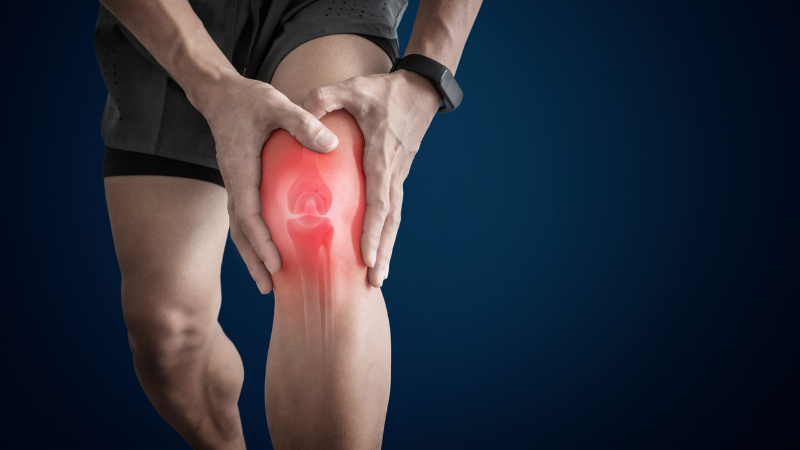
Whether to apply heat or cold for kneecap pain is one of the most frequent questions asked by people experiencing knee discomfort. Both thermal modalities provide distinct clinical benefits when utilized appropriately; however, using them at the wrong stage can aggravate inflammation or delay recovery. Thermal applications are conservative adjunctive measures that offer temporary symptomatic relief, reduce local edema, and calm muscle spasms. Selecting the right option depends directly on the onset, duration, and underlying cause of the knee pain.
When Should Cold Application Be Used for Kneecap Pain?
Cold therapy (cryotherapy) is primarily recommended for sudden-onset acute injuries, sudden swelling, or following intense athletic activity. Cold causes local vasoconstriction, which slows fluid accumulation, suppresses inflammatory chemical mediators, and numbs localized nerve endings to relieve acute discomfort.
Cold Application After Sports Activities
High-impact activities such as running, jumping, or heavy weight training place substantial strain on the tissues surrounding the patella. Applying a cold pack for 15 to 20 minutes immediately after exercise minimizes microtrauma, prevents exercise-induced inflammation, and reduces delayed-onset soreness.
In Cases of Knee Swelling and Edema
When fluid accumulates or noticeable swelling develops around the kneecap, cold application is the appropriate intervention. It restricts capillary permeability, halts the progression of edema, and cools the heated joint area.
For Sudden Knee Injuries
Following an unexpected trauma such as a fall, impact, or sudden twist during sports, cold should be applied immediately. Prompt cooling limits soft tissue bruising and protects periarticular tissues during the first 48 hours.
When Should Heat Application Be Used for Kneecap Pain?
Heat therapy (thermotherapy) is suited for chronic, lingering pain, joint stiffness, and muscle tightness. Warmth produces vasodilation, increasing blood circulation, delivering oxygen and nutrients to tissues, and relaxing tense musculature.
For Muscle Tightness and Spasms
Prolonged sedentary sitting or lack of movement can lead to persistent tightness in the quadriceps and hamstring muscles. Applying gentle heat relaxes these taut muscle fibers and reduces secondary pulling forces on the kneecap.
In Chronic Knee Pain
For knee discomfort that has persisted for months without active acute swelling, thermotherapy is often comforting. Warm compresses ease morning stiffness and make joint movement smoother and more comfortable.
Pre-Exercise Preparation
Applying warmth for 10 to 15 minutes before stretching or physical therapy sessions enhances tissue elasticity. This prepares stiff muscles and tendons for safe, fluid movement.
How Should Heat and Cold Be Applied Safely?
To achieve optimal benefits and prevent accidental tissue injury, thermal modalities must be applied adhering to safe clinical guidelines.
How to Apply a Cold Compress
Ice should never be placed directly onto bare skin. Always wrap ice packs or frozen gel bags in a clean, thin towel. Apply for 15 to 20 minutes per session, allowing the skin to return to normal temperature between applications to prevent cold-induced frostbite.
How to Apply Heat Safely
A warm water bottle, heating pad, or moist warm towel can be applied over the kneecap area for 15 to 20 minutes. Ensure the temperature is comfortable and warm rather than excessively hot to prevent superficial burns.
When Should These Modalities Be Avoided?
Do not apply heat to acutely swollen, red, or inflamed joints, as heat exacerbates inflammation. Likewise, avoid cold applications over areas with impaired circulation or open wounds.
When Should You Consult a Doctor for Kneecap Pain?
While heat and cold provide valuable temporary comfort, they do not resolve structural anatomical damage. Specific warning signs require timely orthopedic evaluation.
Pain That Persists for Several Weeks
If kneecap pain does not improve within two to three weeks despite rest and conservative care, an underlying cartilage or tendon disorder may be present, warranting specialist investigation.
Sensations of Locking or Giving Way
Feelings of joint instability, sudden giving way, or mechanical locking often point toward meniscus tears or ligament laxity that necessitate clinical diagnosis.
Severe Swelling and Restricted Range of Motion
Inability to bend or straighten the leg, accompanied by rapid swelling or severe warmth, requires prompt clinical assessment by an orthopedic specialist.
To learn more about knee health and the musculoskeletal system, you can visit our home, about us, contact, and blog pages; and for updated exercise tips and informative content, follow our Instagram account.
Should you apply heat or cold for kneecap pain? Learn the right therapy for acute swelling, muscle stiffness, and chronic knee conditions with İSOM.
Consult Our Orthopedic Specialists
Contact our medical team in Istanbul for questions about your diagnosis, surgical options, and appointment scheduling.