


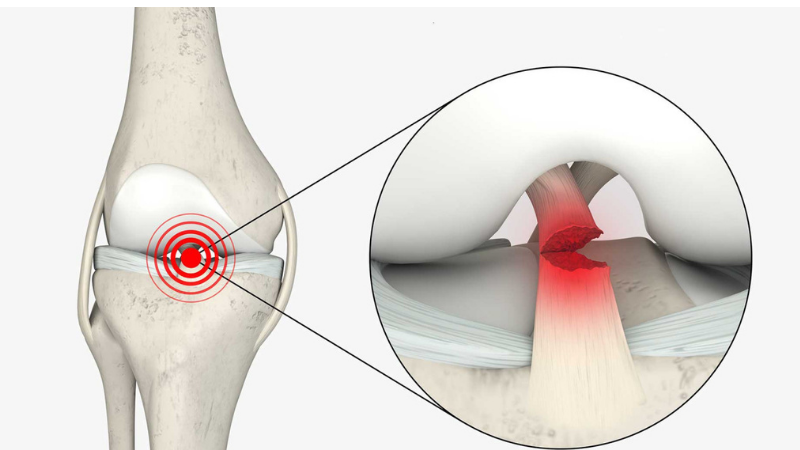
Causes of Kneecap Pain
Kneecap pain is a common musculoskeletal issue felt in the anterior part of the knee joint that can make daily movements challenging. This pain, which often occurs when climbing stairs, squatting, standing up after prolonged sitting, or during sports activities, is frequently caused by imbalances in the tracking mechanism of the kneecap. The kneecap (patella) glides up and down along the groove of the femur. During this movement, muscles, ligaments, and cartilage structures work together. Any imbalance or excessive load on this system can lead to pain around the kneecap. Understanding the underlying cause is essential both for preventing pain recurrence and for formulating an appropriate treatment plan.
Why Does Kneecap Pain Occur?
Multiple factors can contribute to kneecap pain. Daily habits, muscle strength, postural imbalances, and athletic activities directly influence load distribution across the kneecap. In particular, failure of the kneecap to track properly along its normal path causes friction against the joint surface, resulting in discomfort. Consequently, kneecap pain is rarely an isolated knee problem; it typically requires a comprehensive evaluation of entire lower extremity mechanics.
Muscle Weakness and Imbalances
The quadriceps muscles on the front of the thigh are vital for maintaining kneecap stability. When these muscles are weak or imbalanced, the patella cannot glide along its proper groove. Specifically, weakness in the vastus medialis oblique (inner quadriceps) can cause the kneecap to shift outward. Over time, this abnormal tracking creates pressure on the cartilage beneath the patella and produces pain during movement.
Overuse and Repetitive Loading
Running, jumping, climbing stairs, or participating in intensive athletic training place continuous stress on the kneecap. When these activities are repeated without sufficient rest and recovery, the surrounding periarticular tissues become strained. Overuse irritation is among the most frequent causes of anterior knee pain in athletes. If left unaddressed, this condition can become chronic and intensify during exercise.
Improper Movement Habits
Incorrect squatting technique, walking with knees collapsing inward (valgus collapse), or sitting with bent knees for long periods increase joint pressure on the patella. These faulty movement habits, often performed unnoticed throughout the day, disrupt knee mechanics and set the stage for persistent pain. Prolonged inactivity in sedentary office workers also contributes to significant weakening of the stabilizing knee musculature.
Which Conditions Cause Kneecap Pain?
Kneecap pain does not stem exclusively from muscle weakness. In many instances, intra-articular structures or cartilage tissues are directly involved. Accurately identifying the clinical source of the pain is crucial for selecting the most effective therapeutic intervention.
Cartilage Softening (Chondromalacia Patellae)
The articular cartilage lining the underside of the patella can soften, fray, or wear down over time. This degeneration results in friction as the kneecap moves against the femur, triggering notable pain, especially when descending stairs. Chondromalacia patellae is a frequent diagnosis among young and active individuals.
Meniscus Problems
The menisci are fibrocartilaginous structures that act as shock absorbers and distribute load within the knee joint. Tears or degenerative damage to the menisci can cause localized knee pain, clicking or locking sensations, and restricted range of motion, symptoms that can sometimes be mistaken for primary kneecap issues.
Ligament Injuries
Sudden changes in direction, pivoting, or direct trauma during sports can overstretch or tear the stabilizing knee ligaments. Ligament sprains generate a feeling of joint instability and can produce secondary pain and compensatory overload around the kneecap.
When Is Kneecap Pain Most Common?
Several lifestyle and biomechanical factors heighten the risk of developing kneecap pain. Daily physical activity levels, occupational demands, and body weight play influential roles.
Prolonged Sedentary Sitting
For individuals working at desk jobs, keeping the knees bent at 90 degrees for hours elevates patellofemoral compressive force. This sustained pressure frequently causes sharp stiffness and pain when standing up after extended sitting.
Athletic Individuals
Runners, basketball players, and fitness enthusiasts face a higher risk of patellofemoral pain. Inadequate warm-ups, sudden spikes in training intensity, or improper footwear can quickly precipitate muscle overload and tendon irritation.
Excess Body Weight
Increased body weight places substantially greater compressive stress on the knee joint with every step. Over time, this excess force accelerates cartilage wear beneath the patella and contributes to chronic discomfort.
How Can Kneecap Pain Be Prevented?
Preserving balanced muscle strength and adopting healthy movement biomechanics are fundamental to preventing kneecap pain. With practical, proactive measures, joint stress on the knee can be significantly minimized.
Muscle Strengthening Exercises
Targeted exercises that strengthen the quadriceps, hamstrings, and hip abductor muscles enhance patellar tracking and stability. Regular physical exercise supports smooth and pain-free joint function.
Proper Exercise Technique
Utilizing correct biomechanics during workouts reduces unnecessary strain on the knee. During functional movements such as squats and lunges, maintaining proper alignment so the knee does not cave inward is critical.
Improving Daily Movement Patterns
Avoiding prolonged inactivity, incorporating regular brisk walking, and maintaining ergonomic seating habits help preserve joint and cartilage health over the long term.
To learn more about knee health and the musculoskeletal system, you can visit our home, about us, contact, and blog pages; and for updated content and exercise tips, follow our Instagram account.
What are the causes of kneecap pain? Learn in detail how muscle weakness, cartilage issues, and daily movement habits lead to kneecap discomfort.
Consult Our Orthopedic Specialists
Contact our medical team in Istanbul for questions about your diagnosis, surgical options, and appointment scheduling.