


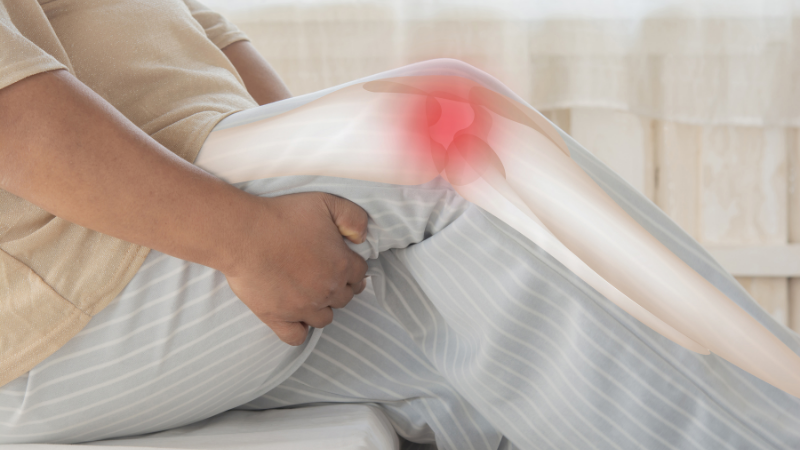
Which Department Should You Visit for Kneecap Pain?
Kneecap pain is a common musculoskeletal issue that directly affects daily life, making walking, climbing stairs, and even sitting down or standing up difficult. While the source of the pain may sometimes be simple muscle strain, in some cases cartilage damage, ligament problems, or joint disorders may also be involved. Therefore, consulting the right department ensures both an expedited diagnostic process and properly planned treatment.
Which Doctor Should You See for Kneecap Pain?
One of the most common questions for individuals experiencing kneecap pain is which medical specialty to consult. The severity and duration of the pain, along with accompanying symptoms, play a significant role in determining the appropriate specialty. Consulting the right physician early significantly reduces the risk of the condition becoming chronic.
When Is Orthopedics and Traumatology Required?
If knee pain starts after trauma, or if there is swelling, a sensation of locking, or limited mobility, the first department to consult is orthopedics. Meniscus tears, ligament injuries, and cartilage problems require orthopedic evaluation. Imaging methods allow the knee structure to be examined in detail.
When Should Physical Medicine and Rehabilitation Be Chosen?
When dealing with long-standing knee pain, issues related to muscle weakness, or postural disorders, a physical medicine and rehabilitation specialist steps in. Exercise programs, manual therapy, and muscle strengthening practices target the root cause of the pain.
What Does Physiotherapy Support Provide?
Physiotherapists manage the movement-oriented rehabilitation process following a physician's diagnosis. Personalized exercise plans are developed to balance the muscles surrounding the knee, correct improper load distribution, and prevent recurring pain.
What Causes Kneecap Pain?
There is no single cause for kneecap pain. Daily habits, sports injuries, and muscle imbalances are among the most frequently encountered factors.
Muscle Imbalances and Weakness
Weakness in the anterior thigh muscles in particular places excess load on the kneecap. This can lead to pain when descending stairs or standing up after prolonged sitting.
Cartilage Wear and Joint Problems
With advancing age or heavy repetitive loading, wear can occur in the cartilage tissue beneath the kneecap. This condition causes a sensation of friction and discomfort during movement.
Improper Movement and Sports Injuries
Sudden turns, improper squatting technique, or excessive exercise can lead to strain in the structures around the kneecap. This is quite common among individuals who engage in sports.
Is Physical Therapy Necessary for Kneecap Pain?
Many cases of kneecap pain can be managed with non-surgical methods. Physical therapy is one of the most effective approaches in this regard because it aims not only to reduce pain but also to address the root cause of the problem.
How Does Exercise Therapy Work?
Muscle-strengthening exercises help the kneecap track in proper alignment. This reduces pressure on the joint and progressively alleviates pain.
Manual Therapy Applications
Manual techniques performed by a specialist improve joint range of motion and reduce muscle tension. This method yields particularly effective results for individuals experiencing restricted movement.
Daily Lifestyle Modifications
By adjusting sitting posture, stair use, and walking habits, unnecessary load on the knee is reduced. These modifications enhance the long-term success of the treatment.
When Should You Consult a Doctor for Knee Pain?
Although not all knee pain is an emergency, certain symptoms make specialist evaluation necessary. Ignoring these symptoms may lead to progression of the condition.
If There Is Swelling and Increased Warmth
Noticeable swelling or warmth in the knee may indicate an inflammatory process and must be medically evaluated.
If Restricted Movement Develops
The inability to fully extend or bend the knee may indicate a mechanical problem.
Pain That Persists for a Long Time
Pain lasting longer than 2–3 weeks may point to a problem beyond simple muscle strain and requires professional evaluation.
To learn more about kneecap pain, review treatment approaches, and access our other content on musculoskeletal health, you can visit our home, about us, contact, and blog pages; and for up-to-date information, follow our Instagram account to access regular content on healthy movement habits.
Find out which department to visit for kneecap pain. Discover when orthopedics, physical therapy, and physiotherapy are needed in our detailed guide.
Consult Our Orthopedic Specialists
Contact our medical team in Istanbul for questions about your diagnosis, surgical options, and appointment scheduling.