


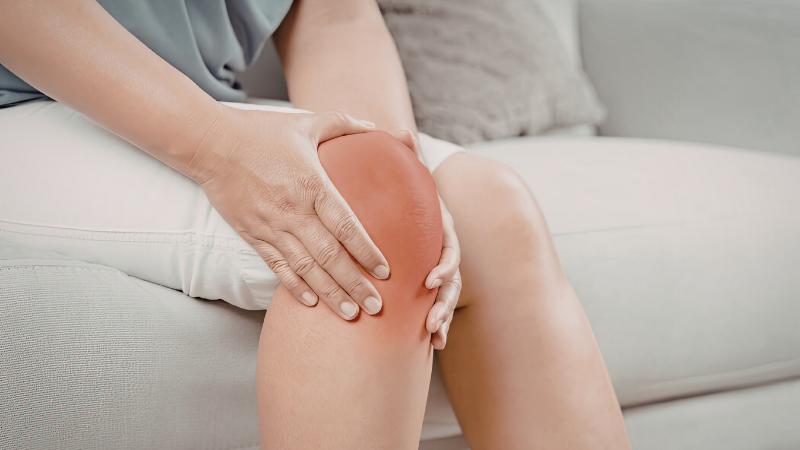
Causes of Kneecap Pain
Kneecap pain is one of the most common knee problems encountered in daily life, typically arising when the balance of movement between the kneecap (patella) and the thigh bone is disrupted. Anterior knee pain felt when climbing stairs, standing up after prolonged sitting, squatting, or exercising is often associated with muscle imbalance, overload, or biomechanical issues. Understanding the true cause of the pain is of paramount importance for developing an accurate treatment plan.
What Causes Kneecap Pain?
Kneecap pain is rarely attributable to a single cause. Muscle strength, joint alignment, and daily movement habits should be evaluated together. Normally, the kneecap moves in a smooth line up and down; when this balance is disrupted, friction increases and pain develops.
Muscle Imbalance and Muscle Weakness
Weakness in the anterior thigh muscles (quadriceps) in particular prevents the kneecap from tracking properly. Over time, this creates pressure on the joint surface, leading to pain.
Overuse and Repetitive Loading
Repetitive activities such as running, jumping, or prolonged stair climbing place continuous stress on the kneecap. Continuing these activities without adequate rest exacerbates the pain.
Improper Movement Habits
Performing squats incorrectly, walking with inward-collapsing knees, or sitting with bent knees for long periods can increase patellar pressure.
Which Muscle Problems Cause Kneecap Pain?
The knee is influenced not only by its own joint mechanics, but also by the mechanics of the hip and ankle. Therefore, the condition of the surrounding muscles is decisive for knee health.
Quadriceps Muscle Weakness
This is the main muscle group that stabilizes the kneecap. When weak, patellar tracking control diminishes and friction increases.
Weak Hip Muscles
When the hip muscles are not strong enough, the knee collapses inward and the kneecap tracks off course.
Tightness in Posterior Leg Muscles
Short or tight hamstring muscles limit knee range of motion and place additional load on the joint.
In Which Situations Does Kneecap Pain Occur?
Certain daily habits and lifestyle factors facilitate the onset of kneecap pain. A sedentary lifestyle and sudden initiation of intense exercise pose significant risks in particular.
Individuals Who Sit for Prolonged Periods
Because the knee remains in a constantly flexed position, joint pressure increases and pain is felt upon standing up.
Individuals Who Exercise
In runners, soccer players, and fitness enthusiasts, incorrect technique can increase stress on the kneecap.
In Cases of Excess Weight
As body weight increases, the load placed on the knee joint multiplies, which can lead to pain.
Can Kneecap Pain Be a Sign of a Serious Problem?
Not all kneecap pain is a simple muscle strain. In some cases, underlying structural problems may be present and require medical evaluation.
Cartilage Wear (Chondromalacia Patellae)
Softening of the cartilage beneath the kneecap can cause friction and pain.
Meniscus Problems
If there is a sensation of locking or catching inside the knee, the meniscus may be affected.
Joint Inflammation or Trauma
If there is swelling, increased warmth, and limited mobility, professional evaluation is required.
To learn more about knee health and the musculoskeletal system, you can visit our home page, about us, contact, blog pages; and follow our Instagram account for current updates.
What causes kneecap pain? Learn about anterior knee pain caused by muscle imbalances, overuse, and joint problems in detail.
Consult Our Orthopedic Specialists
Contact our medical team in Istanbul for questions about your diagnosis, surgical options, and appointment scheduling.