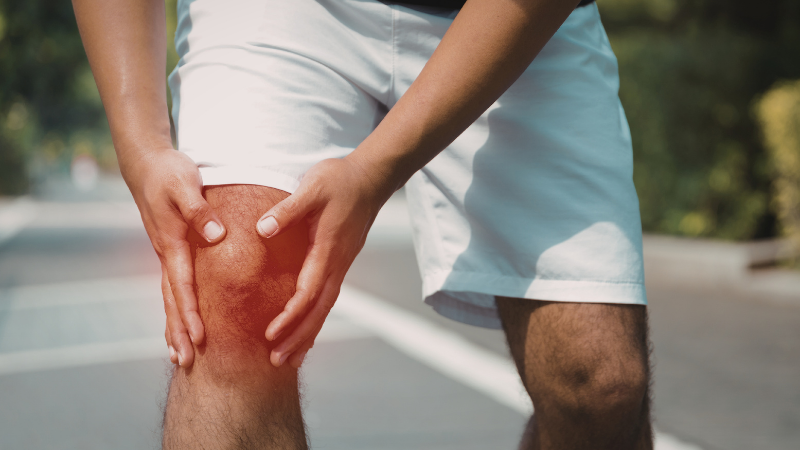
What Helps Relieve Kneecap Pain?
Kneecap pain (peripatellar pain) is a common discomfort experienced in daily life when climbing stairs, squatting, standing up after prolonged sitting, or during sports. It usually occurs as a result of muscle imbalance, weakness in the muscles surrounding the knee, improper load distribution, poor posture, or overuse. To reduce kneecap pain, it is necessary not merely to suppress the pain, but to properly manage the load placed on the knee joint. Appropriate exercises, a rest plan, and supportive treatments play an important role in reducing pain.
What Helps Relieve Kneecap Pain at Home?
If kneecap pain is mild and has just started, relief can be achieved with simple methods that can be applied at home. The goal is to reduce pressure around the knee and keep inflammatory processes under control.
Rest and load reduction
Temporarily reducing activities that aggravate the pain decreases pressure on the kneecap. In particular, avoiding stairs and squatting movements for a short period speeds up recovery.
Cold application
Applying a cold compress for 10–15 minutes 2–3 times a day helps reduce pain and tenderness. It is especially effective when applied after physical activity.
Protecting knee positioning
Avoiding sitting with the knees bent for long periods and taking care not to excessively flex the knees reduces pressure on the kneecap.
Which Exercises Help Relieve Kneecap Pain?
One of the most important causes of kneecap pain is muscle imbalance. Especially when the front thigh muscle (quadriceps) is weak, the kneecap cannot track along its proper path, resulting in pain.
Quadriceps strengthening exercises
Controlled leg raises performed while keeping the knee straight increase kneecap stability.
Hamstring stretching exercises
Tight hamstring muscles place excess load on the kneecap. Regular stretching relieves this pressure.
Hip muscle strengthening exercises
As hip muscles strengthen, inward collapse of the knee decreases and joint alignment is preserved.
Is Physical Therapy Beneficial for Kneecap Pain?
Physical therapy is a highly effective approach for persistent or recurrent kneecap pain. This is because most knee pain is mechanical in origin and can improve with proper movement re-education.
Movement analysis is performed
Walking patterns and knee movement habits are evaluated to identify improper loading.
Manual therapy is applied
Muscle tension is reduced and joint range of motion is increased.
A personalized exercise program is designed
The muscles around the knee are strengthened in a balanced manner to prevent the pain from recurring.
When Should You Consult a Doctor?
Not every instance of kneecap pain is a simple muscle strain. Certain symptoms require professional evaluation.
If there is swelling and redness
Intra-articular problems or inflammatory conditions should be investigated.
If the knee locks
Meniscus tears or intra-articular problems may be present.
If pain persists for a long time
Pain lasting longer than 3–4 weeks must be evaluated by a physician.
To learn more about knee and joint health, you can visit our home page, about us, contact, and blog pages; and follow our Instagram account for regular updates.
What helps relieve kneecap pain? A comprehensive guide covering home remedies, strengthening exercises, and physical therapy.