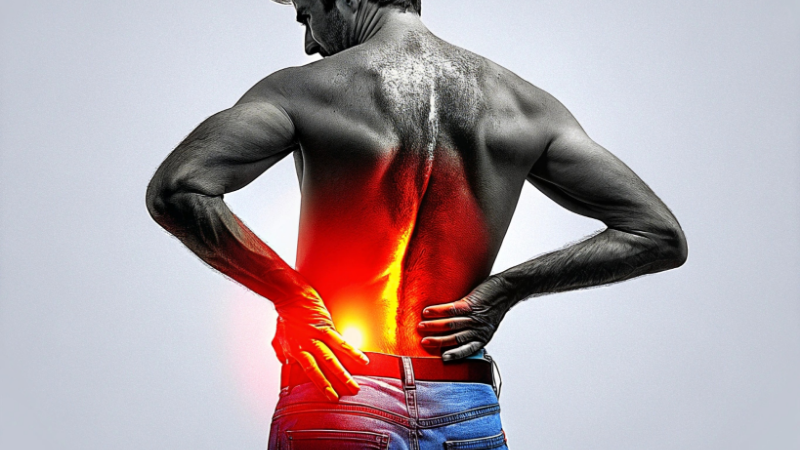
Lower back pain is one of the most common musculoskeletal problems today, caused by prolonged sitting, inactivity, poor posture habits, muscle imbalances, and repetitive loads on the spine. One of the most frequently asked questions, “what helps lower back pain?”, encompasses not only temporary relief methods but also proper practices targeting the root causes of the pain. When the right steps are taken, lower back pain can largely be managed and the risk of recurrence reduced.
Home Methods to Relieve Lower Back Pain
Heat application and muscle relaxation
Controlled heat applied to the lumbar region reduces muscle spasms and provides relief by increasing blood circulation. It is particularly effective for muscle-related lower back pain.
Rest and proper positioning
Short periods of rest and sleeping positions that support the curve of the lower back reduce the load on the spine. Slightly bending the knees when lying on your side is relieving.
Gentle stretching exercises
Gentle stretching exercises targeting the lower back and hamstring muscles help alleviate pain by reducing muscle tension.
Daily Habits That Help Lower Back Pain
Avoiding prolonged sitting
Sitting continuously causes the lower back muscles to weaken and places strain on the spine. Short movement breaks should be taken every hour.
Proper sitting and posture
Sitting upright, supporting the lumbar curve, and adjusting screen height contribute to reducing lower back pain.
Sleep routine and mattress choice
A medium-firm mattress and a sleeping position that supports the lumbar curve ensure that the spine rests comfortably throughout the night.
When to Seek Specialist Support for Lower Back Pain?
If pain does not subside over time
Lower back pain that does not improve within a few days and affects daily life requires a professional medical evaluation.
If there is radiating leg pain and numbness
These symptoms, which may indicate nerve compression, require a detailed examination.
If restricted mobility develops
If there is a marked decrease in lower back mobility, physical therapy and specialist care accelerate the recovery process.
This guide prepared by İSOM aims to help individuals experiencing lower back pain learn soothing methods to apply at home, adjust daily habits, and seek appropriate specialist care when needed. To learn more about lower back and spine health, you can visit our home page, about us, contact, and blog pages; and follow our Instagram account for current updates.
What helps lower back pain? A comprehensive guide on home remedies, daily habits, and when to seek medical evaluation from a specialist.