


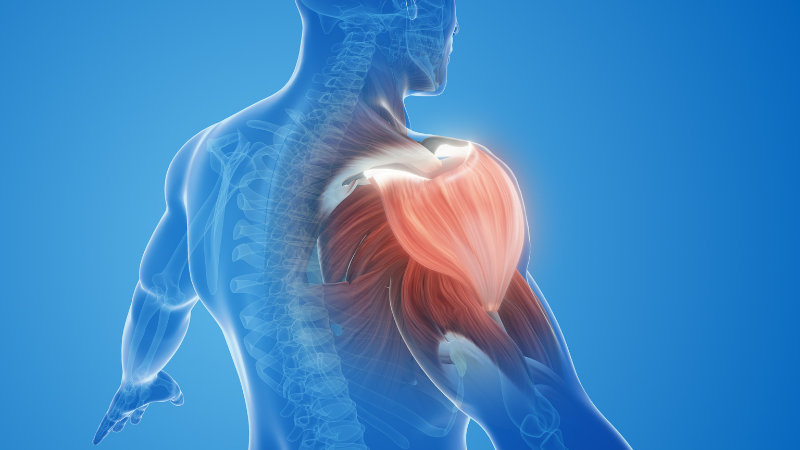
Shoulder pain is one of the most disruptive aches in daily life. A sharp pain felt while getting dressed, combing your hair, or reaching for a shelf can suddenly reduce your quality of life. When the pain begins, the first question on most people's minds is not "What is causing this pain?", but rather "Which doctor should I see?" Because the shoulder joint is an extremely complex structure composed of bones, tendons, ligaments, and muscles, identifying the root cause requires specialized expertise. Furthermore, the source of pain felt in the shoulder is sometimes not the shoulder itself, but an adjacent region such as the neck. This confusion can delay reaching the right specialist and lead to the problem becoming chronic. In this guide, we clearly explain which department you should consult based on your type of shoulder pain and what to expect during the process.
Which Doctor Should You See for Shoulder Pain? (Initial Points of Consultation)
When faced with shoulder pain, two main medical specialties typically stand out: Orthopedics and Traumatology, and Physical Medicine and Rehabilitation (PMR). Which department is best suited for you depends on how your pain started and what symptoms you are experiencing. Making the right choice directly affects your diagnosis and recovery process.
Orthopedics and Traumatology: Structural Problems and Acute Injuries
If your shoulder pain started as a result of sudden trauma (for example, a fall, sports injury, traffic accident, or a "popping" sound while lifting something heavy), the first department you should consult is Orthopedics and Traumatology. Orthopedic specialists handle structural damage to bones, joints, tendons, and ligaments. Conditions that may require urgent intervention or surgical evaluation, such as shoulder dislocation, clavicle (collarbone) fracture, or tendon detachment from the bone (full-thickness tears), fall within this department's expertise.
Physical Medicine and Rehabilitation (PMR): Mechanical Pain and Loss of Function
If your shoulder pain started gradually, without a history of trauma, and presents mainly as restricted movement, muscle spasms, or "frozen shoulder," a Physical Medicine and Rehabilitation (PMR) specialist may be the best choice for you. PMR specialists are experts in non-surgical treatments of the musculoskeletal system. They diagnose and manage conditions such as shoulder impingement syndrome, rotator cuff tendinitis (inflammation), frozen shoulder (adhesive capsulitis), and mechanical pain resulting from postural disorders. This department focuses on identifying and treating the root cause of the problem (such as postural misalignment or muscle imbalances).
Family Physician: Initial Evaluation and Referral
If you are unsure where to go or if your symptoms feel complicated, consulting your family physician as a first step is always a safe option. A family physician can perform an initial evaluation to distinguish simple muscle strains from more serious conditions. If necessary, they can refer you promptly to the appropriate specialist—such as Orthopedics, PMR, or Neurology depending on the situation—saving you valuable time and initiating the diagnostic process.
Can Shoulder Pain Originate from a Different Area?
One of the most misleading situations for patients is "referred pain." Feeling pain in your shoulder does not necessarily mean the problem is located directly within the shoulder joint. In particular, because the cervical spine shares an intricately linked nerve network with the shoulder region, an issue in the neck can mimic shoulder pain.
Cervical Herniated Disc (Cervical Radiculopathy) and Referred Pain
If you experience numbness, tingling, loss of strength, or electrical sensations radiating into your arm along with shoulder pain, a cervical herniated disc is the primary suspect. When nerves exiting between cervical vertebrae and traveling to the arm are compressed (cervical radiculopathy), the brain may perceive this pain signal as if it originated from the shoulder. For this type of pain, which typically worsens with neck movements (such as turning or tilting the head backward), consulting PMR or Neurosurgery may be necessary.
Neurology and Neurosurgery Departments
If shoulder pain is accompanied by noticeable loss of arm strength (inability to use your hand, dropping objects), muscle wasting (atrophy), or additional neurological symptoms such as severe headache or dizziness, the situation is more serious. In such cases, consulting a neurologist for a detailed assessment of the nervous system or a neurosurgeon for surgical evaluation is of vital importance.
Rheumatology Department: Inflammatory Joint Diseases
If your shoulder pain affects both shoulders simultaneously and is accompanied by morning stiffness (joints feeling rigid upon waking), swelling, warmth, or redness, the underlying cause could be an inflammatory rheumatic condition such as Rheumatoid Arthritis. For the diagnosis and management of such systemic diseases, Rheumatology is the appropriate department to consult.
What to Expect at the Doctor's Office (Diagnosis and Treatment Process)
Once you consult the appropriate department, the specialist physician will conduct a systematic evaluation to accurately identify the source of the issue. This process is critical to the success of your treatment and typically begins with a physical examination, supported by imaging modalities when necessary.
Physical Examination and Medical History (Anamnesis)
Your doctor will first ask how the pain began, how long it has persisted, and which movements worsen or relieve the discomfort (medical history). Next, they will perform a detailed physical examination checking your shoulder's range of motion (how high you can raise your arm), muscle strength, and reflexes. They may also perform "special provocative tests" (placing your arm in specific positions to elicit pain) to detect shoulder impingement or tendon tears.
Imaging Methods: X-Ray, MRI, and Ultrasound
Based on physical examination findings, your doctor may request imaging to confirm the diagnosis. X-ray is primarily used to evaluate bony structures, fractures, dislocations, or osteoarthritis. For detailed visualization of soft tissues (tendons, muscles, ligaments), Magnetic Resonance Imaging (MRI) is generally considered the "gold standard." MRI clearly demonstrates tendon tears, inflammation, and intra-articular pathologies. Ultrasound (USG), on the other hand, provides the advantage of examining tendons dynamically (during movement) and identifying fluid collections.
Treatment Planning Based on Diagnosis
Once a definitive diagnosis is established, your doctor will formulate an individualized treatment plan. This plan typically begins with non-surgical (conservative) approaches. Physical Therapy and Rehabilitation plays a pivotal role in treating shoulder pain; the objective is to strengthen muscles through exercise and manual therapy, enhance joint mobility, and achieve long-term pain relief. Pharmacological treatments (analgesics, anti-inflammatories) and intra-articular injections (corticosteroids, PRP) may also be utilized during painful flare-ups. Surgery is generally considered a last resort for patients who do not respond to conservative care, or who have large, full-thickness tendon tears or significant structural abnormalities.
Although shoulder pain may seem complex, consulting the right specialist at the right time accelerates your recovery. Do not hesitate to seek a professional medical opinion to understand the cause of your pain and explore the most effective treatment options. To learn more about our team and the treatment solutions we offer, visit our About Us page. To schedule an appointment or ask any questions to help us create the most suitable treatment plan for you, reach out through our Contact section. Don't forget to follow us on Instagram for up-to-date health tips, exercise videos, and news from our clinic. To explore all our services in detail, you can check our Home Page.