


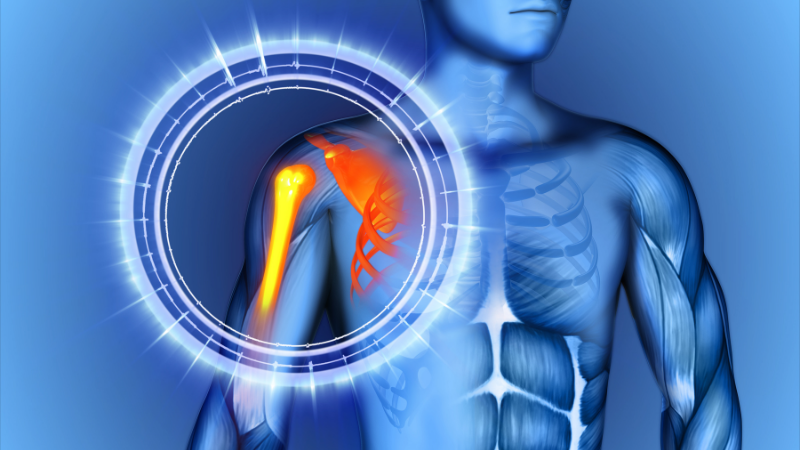
If you have injured your shoulder, it is not just a simple sprain; there may be damage to tendons, muscles, ligaments, or joint structures. Acting hastily or applying the wrong intervention can prolong the recovery process. In this article, if you are saying “I injured my shoulder,” we discuss in detail topics such as possible causes, what can be done at home, when you should seek expert advice, and which doctor you should visit.
What Does It Mean If I Say My Shoulder Is Injured?
A shoulder injury is usually the result of trauma, sudden movement, strain, or overloading. This condition:
-
Stretching or tearing of muscles, tendons, or ligaments
-
Stretching in the joint capsule or regional inflammation
-
Shoulder dislocation or subluxation (partial dislocation)
-
Inflammatory reactions such as tendinitis or bursitis
-
Serious damage such as bone cracks / fractures
can encompass such pathologies.
Injured Shoulder: Possible Causes and Common Conditions
Rotator Cuff Injury / Tear
The rotator cuff muscles around the shoulder control shoulder movement. A partial or complete tear of one of these tendons can cause sudden pain and loss of motion when lifting the arm.
Shoulder Sprain / Muscle Strain
Ligaments or muscle fibers can be strained and suffer small tears. In this condition, pain, swelling, and tenderness are seen in the shoulder.
Shoulder Dislocation / Subluxation
The shoulder joint can temporarily slip out of its normal position or remain partially dislocated. This condition manifests with noticeable deformity, pain, and restricted movement.
Labrum Tear
When the labrum structure supporting the shoulder capsule is damaged, a “catching sensation,” instability, and pain can occur in the shoulder.
Bursitis / Tendinitis / Impingement Syndrome
Inflammation of bursa and tendon tissues can lead to structural friction during shoulder movements.
Bone Fracture / Crack
Following severe trauma, a crack or fracture can occur in the shoulder bone. In this case, pain is very severe and movement becomes almost impossible.
What Can I Do at Home If My Shoulder Is Injured?
-
Avoid movements that strain the shoulder; rest is very important
-
Cold compresses can be applied in the first 24-48 hours (at 10-20 minute intervals)
-
You can immobilize the shoulder using a light support bandage or sling
-
Support blood circulation with stretching movements that do not exceed the pain threshold
-
Short-term pain relievers / anti-inflammatory medications can be used with doctor approval
Injured Shoulder: When Is Urgent Specialist Consultation Needed?
The following situations may indicate a serious problem:
-
Noticeable deformity or feeling of dislocation in the shoulder
-
Inability to move the arm almost at all
-
Severe pain, swelling, bruising
-
Nerve symptoms: numbness, tingling, weakness in the arm or hand
-
The condition lasts longer than a few days or worsens
In this case, you should consult a healthcare facility without delay.
Which Specialist Doctor Should I See If My Shoulder Is Injured?
-
Orthopedics / Shoulder Surgery Specialist — for evaluating structures such as tendons, ligaments, dislocations, and fractures
-
Physical Medicine and Rehabilitation Specialist — for functional rehabilitation during the recovery process
-
Radiology / Imaging Center — for accurate diagnosis with examinations such as X-ray, MRI, and ultrasound
What Should I Pay Attention to for Healing If My Shoulder Is Injured?
-
Be patient; complete recovery can take time
-
Stick to the treatment plan: rest, exercise, physical therapy
-
Avoid overloading
-
Follow a strengthening program suited to doctor / physical therapist recommendations
Conclusion: Steps to Take If You Say “I Injured My Shoulder”
A shoulder injury is a condition that should be taken seriously. There can be many different causes, ranging from mild muscle strains to serious tendon tears. Home interventions may provide temporary relief, but expert evaluation is essential for lasting recovery. With accurate diagnosis and appropriate treatment, regaining your mobility is possible.
For More Information
If you want to read more guides on shoulder health, injuries, rehabilitation, and similar topics, you can visit our Home Page. If you would like to get to know our team, you can check our About Us page, and visit our Blog section for new health-related content.
If you are saying “I injured my shoulder,” learn in this article about possible causes such as rotator cuff tears, shoulder dislocation, bursitis, and tendon injuries, as well as home interventions and which doctors you should consult.