


Introduction
Hip replacement surgery is one of the most commonly performed procedures to increase mobility and reduce pain, especially in older individuals or people suffering from joint diseases. However, one of the complications that may arise following this surgery is hip prosthesis dislocation. Dislocation occurs when the prosthesis slips out of its socket and is both a painful and serious condition.
In this article, we will discuss in detail the causes, symptoms, treatment process of hip prosthesis dislocation, and the precautions that should be taken to prevent it from happening again.
What Is Hip Prosthesis Dislocation?
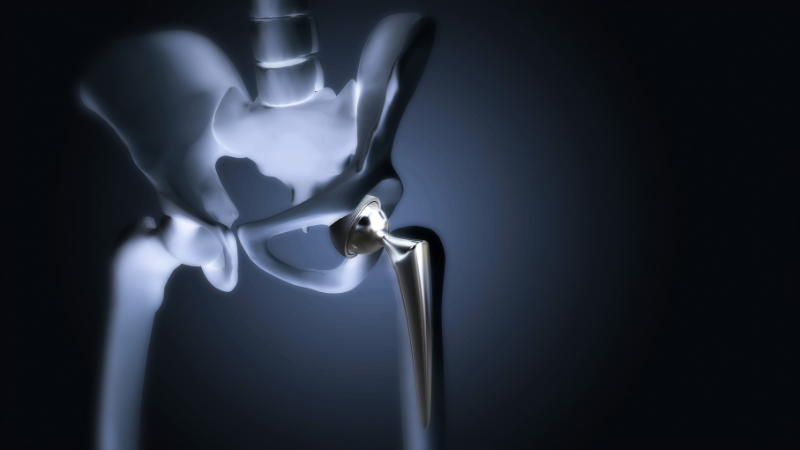
Hip prosthesis dislocation is the separation of the prosthetic ball from its socket. This condition disrupts the natural function of the joint and causes sudden pain along with limited mobility in the patient. Prosthesis dislocation is seen more frequently, particularly in the early postoperative period.
Causes of Hip Prosthesis Dislocation
1. Surgical Technique and Prosthesis Placement
-
Improper angle of prosthesis placement
-
Inadequate anatomical alignment of prosthesis components
2. Soft Tissue Weakness
-
Insufficient muscle strength
-
Ligament laxity
-
Soft tissue damage during surgery
3. Patient-Related Factors
-
Advanced age
-
Previous hip surgeries
-
Excess weight
-
Neurological disorders
4. Incorrect Movements
-
Excessive hip flexion
-
Crossing the legs
-
Sudden twisting movements and falls
What Are the Symptoms?
The symptoms of hip prosthesis dislocation usually appear suddenly and are very distinct:
-
Sudden and severe pain in the hip
-
Inability to move
-
Shortening or abnormal positioning of the leg
-
Swelling and deformity in the hip area
-
Inability to walk
Diagnostic Methods for Hip Prosthesis Dislocation
-
Physical Examination: The leg's posture and limitation of movement are evaluated.
-
X-ray: The presence of dislocation and the position of the prosthesis are clearly visualized.
-
CT or MRI: Used when necessary for detailed evaluation.
Treatment Methods
1. Closed Reduction (Repositioning Procedure)
-
The dislocation is reduced back into place under anesthesia.
-
Special devices or braces may be used to ensure immobilization following the procedure.
2. Physical Therapy and Rehabilitation
-
Specific exercises are performed to strengthen the muscles.
-
Movement control is established, and proper sitting and standing techniques are taught.
3. Surgical Re-intervention
-
In cases of recurrent dislocation, replacing or repositioning the prosthetic components may be required.
-
Soft tissue repair may be performed.
Ways to Prevent Hip Prosthesis Dislocation
Postoperative Precautions
-
Avoid crossing your legs
-
Prefer high seating instead of low chairs
-
Place a pillow between your legs when lying down
-
Avoid sudden twisting movements
Muscle Strengthening and Exercises
-
Regular exercise should be performed under the guidance of a physical therapist
-
Hip and leg muscles should be strengthened
Lifestyle Modifications
-
Avoid excess weight
-
Be careful during daily activities
-
Avoid prolonged heavy lifting
Conclusion
Although hip prosthesis dislocation is a serious complication, it can be managed with proper treatment and preventive strategies. Regular follow-ups, appropriate exercises, and mindful movements in daily life ensure the longevity of the prosthesis.
Contact Us for More Information
To learn more about hip health and prosthesis surgeries, you can visit our Home Page and About Us pages.
To access our informative articles on similar topics, you can browse our Blog Page.