


Introduction
Hip replacement surgery means reduced pain, increased mobility, and improved quality of life for many people. However, in some cases after this surgery, the problem of “dislocation” (luxation) may occur. In this article, you will find detailed information about what hip prosthesis dislocation is, its causes, symptoms, treatment options, and strategies to reduce the risk of dislocation.
What Is Hip Prosthesis Dislocation?
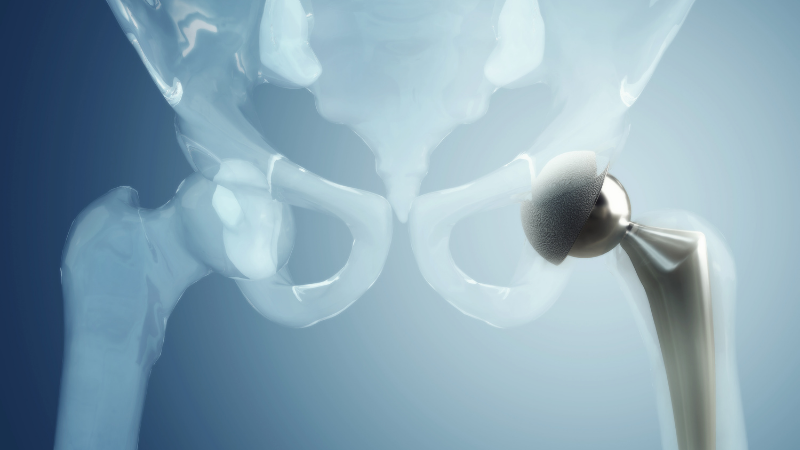
Hip prosthesis dislocation is when the “ball” of the prosthesis slips out of its socket. This represents a compromise of the mechanical integrity of the prosthesis and frequently manifests with sudden pain and restricted movement.
Causes (Risk Factors)
There are multiple factors that lead to prosthesis dislocation:
-
Surgical technique factors: Incorrect positioning of prosthetic components, improper angles, or failure to achieve anatomical alignment.
-
Soft tissue condition: Muscles, tendons, and ligaments not being strong enough to stabilize the prosthesis, or damage to these structures during surgery.
-
Patient-related factors: Advanced age, history of prior surgeries, neurological disorders, poor general health, and lax connective tissue.
-
Prosthetic component characteristics: Design factors such as a small prosthetic head (ball) diameter, incompatible neck-head geometry, and limited range of motion of the components used.
-
Non-compliance with postoperative movement precautions: Performing movements such as excessive flexion, adduction, and internal rotation improperly in the early postoperative period increases the risk of dislocation.
What Are the Symptoms?
Prosthesis dislocation usually occurs suddenly. Common symptoms include:
-
Sudden and severe pain in the hip or groin area
-
Inability to move the hip or a sensation of “locking” during movement
-
Deformity or abnormal appearance of the leg: the leg may appear shortened or abnormally positioned
-
In some cases, numbness or weakness due to nerve compression or irritation
Diagnostic Process
Procedures performed when dislocation is suspected:
-
Physical examination: The posture and alignment of the patient's leg and hip are examined.
-
Imaging methods: X-ray; if necessary, advanced techniques such as computed tomography (CT) are used.
-
Evaluation of movement history: which movement triggered the dislocation and whether a similar episode occurred before.
Treatment Methods
Non-Surgical Treatment
-
Following identification of the dislocation, a closed reduction procedure (relocating the joint under anesthesia) is performed.
-
Movement restrictions are imposed: avoiding certain specific positions and the use of protective support (such as a brace) may be required.
-
Physical therapy: Strengthening muscles after dislocation, periarticular stabilization exercises, and movement control training are essential.
Surgical Intervention
-
If dislocations recur or if the prosthesis is malpositioned, repositioning, replacement of prosthetic components, or the use of additional stabilizing components may be considered.
-
Soft tissue revision can be performed: capsular repair, muscle reconstruction, etc.
Prevention Strategies
To reduce the risk of dislocation, attention should be paid to the following:
-
Strict compliance with post-operative recommendations from the physician and physical therapist must be maintained
-
Movement limitations must be learned and maintained (avoiding specific positions, especially during the first months)
-
Exercises that stabilize the musculature should be performed regularly
-
Movements that strain the hip during posture and daily activities should be avoided
Recovery Process and Follow-Up
-
First days: pain management, stable positioning as much as possible, minimal movement
-
Intermediate period: starting physical therapy, light-load exercises, muscle strengthening
-
Long term: lifestyle adaptation to prevent recurrent dislocation, regular check-ups
Conclusion
Although hip prosthesis dislocation is a serious complication, it can be managed successfully with accurate diagnosis, timely intervention, physical therapy, and proper prevention. Being mindful during the recovery period following prosthesis surgery, adhering to recommendations, and respecting bodily limits are of critical importance for long-term success and comfort.
Learn More With Us
To obtain more and reliable information on hip prosthesis dislocation and orthopedic health, you can visit our Home Page and About Us pages.
To browse our other articles written on similar topics, you can check our Blog Page.