


Introduction
Hip prosthesis is an important surgical treatment performed especially in cases of advanced joint osteoarthritis, hip fractures, or severe joint damage. After this surgery, the vast majority of patients lead a pain-free life and regain mobility. However, in some cases, although rare, hip prosthesis dislocation may occur.
In this article, we will examine step by step the symptoms, causes, treatment options, and preventive measures for hip prosthesis dislocation.
What Is Hip Prosthesis Dislocation?
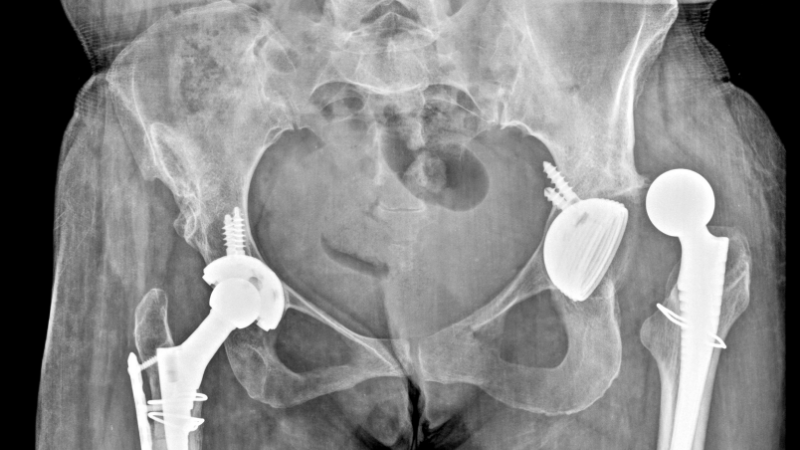
Hip prosthesis dislocation is the condition where the replaced hip joint slips out of its socket. This complication can cause sudden pain, restricted mobility, and serious difficulties in daily living activities for the patient.
Early diagnosis and accurate intervention prevent dislocation from becoming a permanent problem.
Symptoms of Hip Prosthesis Dislocation
The following symptoms are commonly observed in patients experiencing hip prosthesis dislocation:
Sudden pain and restricted mobility
Sudden and severe pain is felt in the hip area, and the patient becomes unable to move.
Leg deformity and sensation of shortening
One leg may appear shorter than the other or may rotate abnormally.
Inability to stand up and walk
The patient has difficulty rising from a seated position and cannot walk.
Popping sound or slipping sensation in the hip
At the moment of dislocation, a sensation of “slipping” or “dislocating” may occur in the hip.
Causes of Hip Prosthesis Dislocation
Improper movements
Excessive bending, crossing legs, or sudden twisting movements can cause dislocation.
Muscle weakness or laxity
Weakness in the muscles supporting the hip reduces the stability of the prosthesis.
Problems with prosthesis positioning
An improper angle of the prosthesis during surgery can increase the risk of dislocation.
Trauma and falls
Particularly in the early postoperative period, the risk of falling can lead to dislocation.
Postoperative errors
Failure to comply with physical therapy or improper sitting–standing movements can cause dislocation.
Risk Factors
-
Advanced age
-
Excess weight
-
Previous hip surgeries
-
Muscle and connective tissue weakness
-
Habitual improper postures in daily life
Treatment Methods for Hip Prosthesis Dislocation
Emergency intervention (Closed reduction)
In the hospital, the prosthesis is repositioned under anesthesia.
Surgical intervention (Revision prosthesis)
In recurrent dislocations, replacing or adjusting the prosthesis may be necessary.
Physical therapy and rehabilitation
The stability of the prosthesis is enhanced through exercises that strengthen the muscles.
Supportive methods
Pain management and the use of a walker or cane are beneficial during the recovery process.
Precautions to Prevent Dislocation Recurrence
Proper sitting and standing techniques
Rising from low chairs should be avoided, and the hip should not bend excessively while sitting.
Avoiding improper positions
Legs should not be crossed, and excessive twisting movements should not be made.
Strengthening muscles with regular exercises
The physical therapy program should be followed, and muscles supporting the hip should be worked regularly.
Home safety precautions
Using non-slip rugs, grab bars, and raised seating areas reduces the risk of dislocation.
Returning to Daily Life After Hip Prosthesis Dislocation
-
Mobility is regained through light walks and exercises.
-
Return-to-work time varies depending on the physical demands of the job.
-
Physician approval is required for sports and strenuous activities.
-
Psychological support and patience are an essential part of the healing process.
Conclusion
Hip prosthesis dislocation is a rare complication that can lead to serious consequences. With early diagnosis, proper treatment, and regular physical therapy, the risk of dislocation can be minimized. To maintain patients’ quality of life, care must be exercised both in postoperative recovery and in daily life.
Contact Us for More Information
To learn more about hip prosthesis and orthopedic treatments, you can visit our Home Page, About Us and Blog Page . Plenty of informative content awaits to guide you on your journey to healthy living.
Comprehensive guide to hip prosthesis dislocation: symptoms, causes, treatment methods, risk factors, and returning to daily life.