


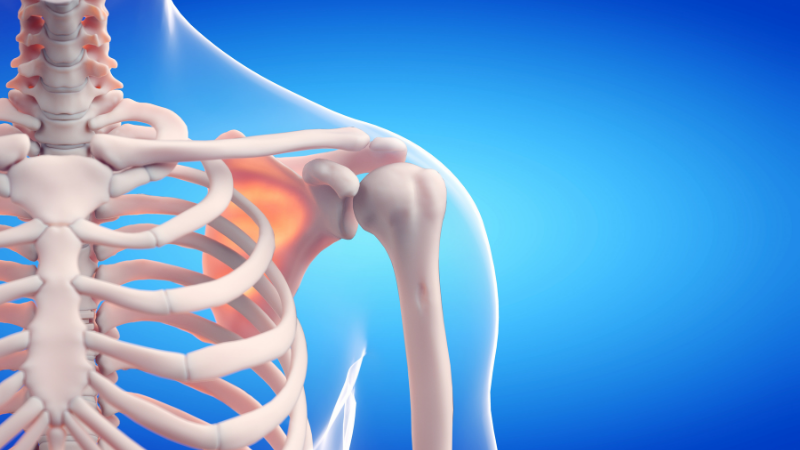
Purpose and Indications of Shoulder Replacement Surgery
Why Is Shoulder Replacement Needed?
Shoulder replacement surgery is performed to relieve pain and restore joint mobility. It is a reliable surgical method preferred in conditions such as joint osteoarthritis, rheumatoid arthritis, avascular necrosis, rotator cuff tears, or comminuted fractures.
Suitable Patient Profile
-
Patients experiencing severe shoulder pain,
-
Those experiencing functional limitations in daily life,
-
It is performed on patients who do not respond to other treatments.
Types of Shoulder Prostheses
Total Shoulder Prosthesis
Both the humeral head and the glenoid surface are replaced. It is preferred in extensive joint damage.
Partial (Hemi) Shoulder Prosthesis
Only the humeral head is replaced. It is applied especially in fractures and limited damage.
Reverse Shoulder Prosthesis
The shoulder joint is reconfigured in an inverted anatomy. It is ideal in cases where the rotator cuff muscles have lost their function.
Surgical Process
Preparation and Planning
The appropriate prosthesis type is determined through patient history, examination, and imaging methods.
Surgical Stages
Performed under general anesthesia, it takes approximately 1-2 hours. The damaged joint surface is removed and replaced with a suitable prosthesis.
Duration of Hospital Stay
A hospital stay of usually 2-4 days is required.
Rehabilitation and Recovery Process
First 6 Weeks
An arm sling is used and simple exercises are started.
Weeks 6–12
Physical therapy is intensified, increasing muscle strength and range of motion.
Between 3–6 Months
The patient can independently return to daily activities and gradually resume work life.
Risks and Long-Term Success
Possible Complications
-
Infection
-
Bleeding
-
Nerve damage
-
Prosthesis loosening
-
Restricted mobility
Long-Term Results
The success rate is considerably high. The vast majority of patients achieve a pain-free shoulder and can carry out daily living activities much more comfortably.
Conclusion
Shoulder replacement surgery significantly improves patients' quality of life with appropriate patient selection and regular rehabilitation. Regular post-operative follow-up and physical therapy are critically important for long-term success.
To get to know us better and access our other content, you can browse the Home, About Us and Contact pages on our website, and follow our Instagram account for the latest announcements.