


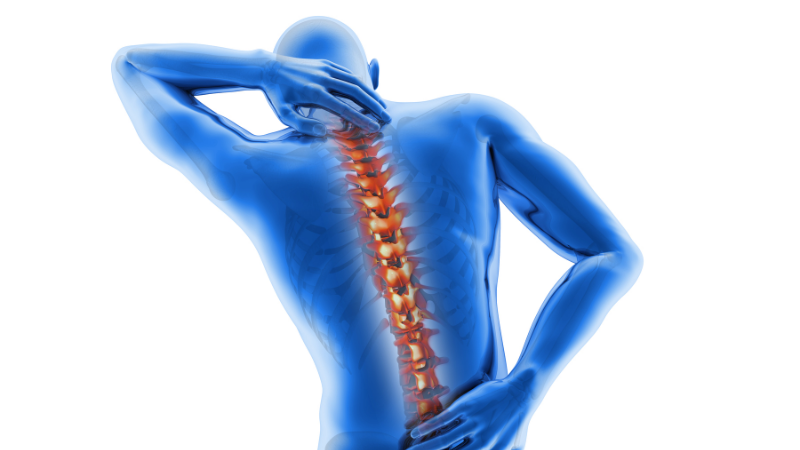
The spine is the central pillar of the human body and one of its most vital supporting structures. It allows us to stand upright, move, and enables our internal organs to function properly. However, conditions affecting the spine directly impact both daily life and overall health. Presenting with symptoms such as pain, restricted mobility, numbness, and weakness, these issues often severely reduce quality of life. At this point, spine surgery comes into play, aiming to repair structural and functional spinal disorders, relieve nerve compression, and restore a healthy life to the patient.
The Scope of Spine Surgery
Spine surgery encompasses a wide spectrum rather than just a single condition. Lumbar disc herniation, cervical disc herniation, spinal stenosis, spinal deformities such as scoliosis and kyphosis, spinal fractures, spondylolisthesis (slipped vertebrae), spinal tumors, and infections are the core areas of this field. All these conditions present with different symptoms. Complaints that begin as simple low back pain may, over time, even prevent walking. Therefore, spine surgery is valuable not only as a curative treatment but also as a preventive approach.
When Is Spine Surgery Necessary?
One of the questions patients wonder about most is, “Do I need surgery?” In most spinal disorders, surgery is not the first option. The condition can often be controlled through physical therapy, exercise, medication, and lifestyle modifications. However, if pain persists despite all these methods, if nerve compression worsens, or if severe symptoms such as numbness, weakness, or loss of mobility arise, surgical intervention becomes inevitable. Surgery performed at the right time prevents irreversible permanent damage.
Surgical Techniques Used
Thanks to advancing technology, the methods used in spine surgery have undergone a major transformation. Open surgeries once performed through large incisions are now being replaced by minimally invasive procedures. In these techniques, smaller incisions are made, less damage is caused to muscle tissue, and recovery time is shortened. In addition, microscope-assisted, endoscopic, and robotic surgeries are among the methods that increase success rates. As a result, the margin of error during surgery is minimized, and patients enjoy a higher quality of life postoperatively.
Minimally Invasive Surgeries
Minimally invasive methods are particularly preferred for lumbar and cervical disc herniations. In these procedures performed through a small incision, patients are generally able to mobilize quickly. Less pain, faster recovery, and a rapid return to daily activities are the most significant advantages of these methods.
Robot-Assisted Surgeries
The integration of robotic technology into spine surgery provides millimeter precision. Particularly used in spinal slippage and deformities, this method enhances the surgeon's visualization and control. Consequently, surgical success increases while the risk of complications decreases.
Postoperative Recovery in Spine Surgery
The success of spine surgery is not limited to the procedure alone. The postoperative period is at least as important as the surgery itself. During this process, patients should participate in the rehabilitation programs recommended by their doctors, exercise regularly, and attend follow-up appointments. While symptom relief typically begins within a few days, full recovery may take weeks, or even months for major operations. However, with appropriate care and discipline, most patients regain their former health.
Success Rates and Risks
Spine surgery has remarkably high success rates when performed by experienced hands and with proper patient selection. The success rate in lumbar disc herniation surgeries exceeds ninety percent. Nevertheless, as with any surgical procedure, there are potential risks. The likelihood of infection, nerve injury, or recurrent herniation exists, albeit low. For this reason, experience and expertise are of great importance when choosing a surgeon.
Frequently Asked Questions
How long does the surgery take?
The duration of spine surgery varies depending on the technique used and the type of disorder. Some minimally invasive procedures may take less than an hour, whereas complex spinal deformities can take several hours.
How long is the recovery period?
In minimally invasive surgeries, patients are typically discharged within a few days and return to their daily routines shortly thereafter. In more extensive operations, the recovery process supported by rehabilitation may take several months.
Can problems recur after surgery?
With proper surgery and regular rehabilitation, the risk of recurrence is very low. However, factors such as lifestyle, postural defects, or heavy working conditions can cause symptoms to reoccur.
Conclusion
Spine surgery is an effective method used to provide permanent solutions for spinal disorders that significantly diminish quality of life. Modern techniques, expert surgeons, and personalized treatment plans now yield much safer and more successful results. If you are experiencing problems related to your spine health, you can consult an experienced specialist to determine the most accurate treatment plan. To learn more, you can visit our home page, get to know us in the about us section, book an appointment through our contact page, and follow our Instagram account to see our latest updates.