


What Is Achilles Tendinitis?
Achilles tendinitis is an inflammation or irritation of the Achilles tendon. This tendon is a strong band of tissue connecting the calf muscles to the heel bone and is subjected to intense stress, especially during activities such as running and jumping. Achilles tendinitis usually occurs as a result of overuse or sudden injury.
What Are the Causes of Achilles Tendinitis?
-
Overuse and Repetitive Movements
The most common cause of Achilles tendinitis is excessive stress placed on the tendon. This condition is especially seen in athletes and runners engaged in intense physical activities. Repetitive movements can lead to micro-tears and inflammation in the tendon. -
Sudden Increase in Activity Level
Sudden changes in training routines or abruptly increasing physical activity can place excessive strain on the tendon. This increases the risk of tendinitis. -
Inadequate Warm-Up and Cool-Down
Not warming up sufficiently before exercise or not cooling down afterward can make the tendon more susceptible to injury.
What Are the Symptoms of Achilles Tendinitis?
-
Pain and Stiffness
The most common symptoms of Achilles tendinitis include stiffness felt in the morning and pain around the heel. The pain usually worsens during or after physical activity. -
Swelling and Tenderness
Swelling and tenderness may develop in the affected area. It is also common for the tendon to be tender to the touch. -
Tightness in the Heel and Calf
Patients may experience tightness and stiffness in the heel and calf area. This can cause discomfort when walking or climbing stairs.How Is Achilles Tendinitis Treated?
-
Rest and Activity Restriction
Resting and limiting activities are important for the tendon to heal. Individuals with Achilles tendinitis should especially avoid activities that cause pain. -
Ice Application
Ice can be applied for 20 minutes several times a day to reduce swelling and inflammation. This also helps relieve pain. -
Physical Therapy and Exercises
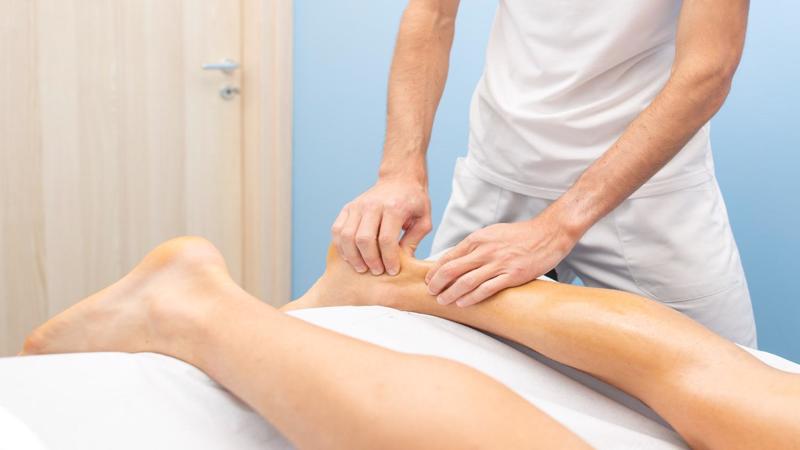
Physical therapy helps increase the flexibility and strength of the tendon. In addition, stretching and strengthening exercises recommended by a doctor can accelerate the recovery process. -
Medication
Non-steroidal anti-inflammatory drugs (NSAIDs) may be used to relieve inflammation and pain. However, long-term use of such medications should be avoided. -
Use of Orthotics
Orthotics can be used to reduce stress on the tendon and support the healing process. Custom shoe insoles can also reduce pain by providing support to the foot structure. -
Surgical Intervention
When Achilles tendinitis does not respond to conservative treatment methods, surgical intervention may be required. Surgery is usually performed to repair or debride the tendon.
Conclusion
Achilles tendinitis is a common condition, especially among physically active individuals. However, with early diagnosis and appropriate treatment, this condition can be managed successfully. To protect your tendon health, do not neglect proper warm-up and cool-down exercises before and after workouts, and avoid sudden increases in activity. Remember that tendinitis treatment requires patience, so give yourself time during the recovery process.
-