


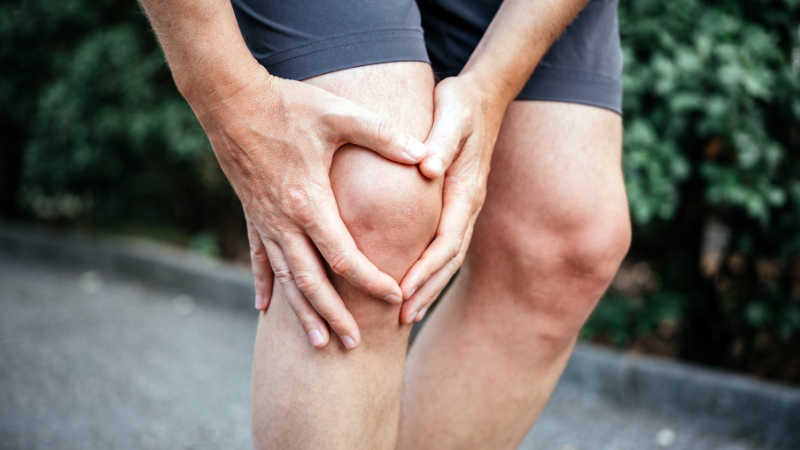
How to Recognize a Meniscus Tear?
Our knee joints are among the structures that bear the greatest burden of daily life. While running, jumping, or making sudden turns, the menisci act as protective cushions for our knees. However, tears can sometimes occur in this cushioning tissue during sports or simply due to an awkward movement. So, how to recognize a meniscus tear? The answer to this question is critical for preventing serious long-term joint problems through early diagnosis. In this article, you will find all the details—from the function of the meniscus to its most common symptoms, and from diagnostic methods to treatment and prevention—in the light of current medical insights.
What Is a Meniscus Tear and What Are Its Functions?
The meniscus consists of two C-shaped pieces of fibrocartilage located between the thigh bone (femur) and shin bone (tibia) in our knee joint: the medial meniscus (inner) and lateral meniscus (outer). These structures balance load distribution, act as shock absorbers, and maintain joint stability. Every time you take a step or bend your knee, the menisci are engaged. However, a tear can develop in this cartilage tissue due to a sudden twist, rapid pivoting, or years of wear and tear. Although meniscus tears are particularly common among active athletes, degenerative tears are also very frequent in older age groups.
How to Recognize a Meniscus Tear? Signs and Symptoms
The most prominent indicator of a meniscus tear is sudden, sharp pain. This pain is typically felt on the inner or outer side of the knee. Many individuals who feel a popping or tearing sensation during sports notice immediate swelling in the knee. This swelling usually increases within a few hours and restricts mobility.
Other common symptoms include locking or catching of the knee. This occurs when a torn piece of the meniscus gets lodged between the joint surfaces. While some patients complain of a sensation of giving way when going up or down stairs, others experience a popping, clicking, or grinding sound when moving the knee.
In addition, stiffness in the knee after walking for a long time and restricted motion upon waking in the morning are among the signals that a meniscus tear presents in advanced stages. Paying attention to these symptoms is vital for preventing more extensive cartilage damage and early osteoarthritis.
Causes of Meniscus Tears
Acute Trauma
In young and active individuals, meniscus tears usually occur as a result of sudden twisting, pivoting, or direct impacts sustained during sports. The risk is higher in sports that require sudden changes of direction, such as soccer, basketball, and skiing. Beginning intense exercise abruptly without adequate warm-up and stretching can also increase the risk of a meniscus tear.
Degenerative Tears
With advancing age, meniscus tissue gradually thins and loses its elasticity. In this state, even a simple squat or an awkward step can cause a tear. These types of tears are among the most frequent causes of chronic knee pain.
Risk Factors
Obesity, repetitive knee trauma, muscular weakness, and injuries to the surrounding ligaments are among the primary factors that increase the risk of a meniscus tear. In particular, ligament injuries (such as an anterior cruciate ligament tear) increase the load on the meniscus, paving the way for tears.
How Do We Diagnose a Meniscus Tear?
Clinical Examination and Physical Tests
An orthopedic specialist will first listen to your symptoms and examine your knee using various clinical tests. Physical maneuvers such as the McMurray test and the Apley compression test provide important clues regarding the presence of a meniscus tear. Experiencing pain, joint locking, or an audible click during these tests generally suggests a tear.
Imaging Methods
X-rays do not show soft tissues like the meniscus, but they help rule out fractures or other bone pathologies. The gold standard for definitive diagnosis is Magnetic Resonance Imaging (MRI). MRI identifies which part of the meniscus is torn, the grade of the tear, and possible associated lesions with approximately 95% accuracy. In some advanced cases, arthroscopic examination may also be chosen for both diagnosis and treatment.
Why Is Early Diagnosis Important?
Early diagnosis in meniscus tears is crucial for preserving knee health. Tears detected early can be repaired using non-surgical methods or minimal surgical interventions. In delayed cases, however, the tear may expand, damaging the cartilage surface and leading to permanent damage in the knee. This significantly increases the risk of osteoarthritis in later years. Therefore, consulting a specialist rather than underestimating the symptoms is always the most appropriate step.
Treatment and Management Methods
Non-Surgical Approaches
Some minor tears can heal on their own with rest, ice application, compression, and elevation (the RICE protocol). Physical therapy programs are highly effective in alleviating pain and strengthening the knee musculature. Balance and proprioception exercises are important to prevent the knee joint from sustaining the same injury again.
Surgical Interventions
For larger tears or cases unresponsive to conservative treatment, arthroscopic surgery may be scheduled. In this procedure, the torn piece is repaired or removed when necessary. The success rate of meniscus repair ranges between 70% and 95%. The patient's age, as well as the location and configuration of the tear, are factors that determine the likelihood of repair.
Rehabilitation & Return to Sports
The post-surgical rehabilitation process plays a critical role in preserving knee health. During this period, which typically lasts 4 to 12 weeks, muscle strength is regained through exercises performed under medical supervision. The return-to-sport plan for athletes must be individualized, and demanding movements should not be initiated before the knee has fully healed.
Prevention Methods and Lifestyle Recommendations
Strengthening the muscles around the knee is essential for reducing the risk of a meniscus tear. Performing regular warm-up and cool-down exercises, avoiding sudden jerky movements, and using sports equipment correctly are simple yet effective preventive measures. Additionally, maintaining a healthy weight reduces the load on the knee joint and lowers the long-term risk of osteoarthritis.
Frequently Asked Questions (FAQs)
How long does meniscus tear pain last?
The intensity and duration of the pain depend on the size of the tear and the treatment modality. While minor tears may subside within a few weeks, severe tears can persist for months.
Can a meniscus tear be diagnosed without an MRI?
Although clinical tests provide strong clues, MRI imaging is recommended for a definitive diagnosis.
When can individuals with a meniscus tear return to sports?
It typically takes 4–8 weeks following non-surgical treatment, and 3–6 months following surgery.
How effective is non-surgical treatment?
It is quite successful for minor tears, but large tears or those causing mechanical impingement require surgery.
Why do some tears require surgery?
The type, size of the tear, and vascular supply to the meniscus determine the choice of treatment.
Conclusion
How to recognize a meniscus tear? In light of this article providing answers to this question, we would like to remind you once again that early diagnosis is the most important step in protecting your knee health. If you have symptoms, consult an orthopedic specialist without delay. Remember, timely intervention protects your joint health and improves your quality of life.
For more information, you can visit the Home and Contact sections of our website, and follow us on our Instagram account to stay up to date with our latest content.