


Introduction
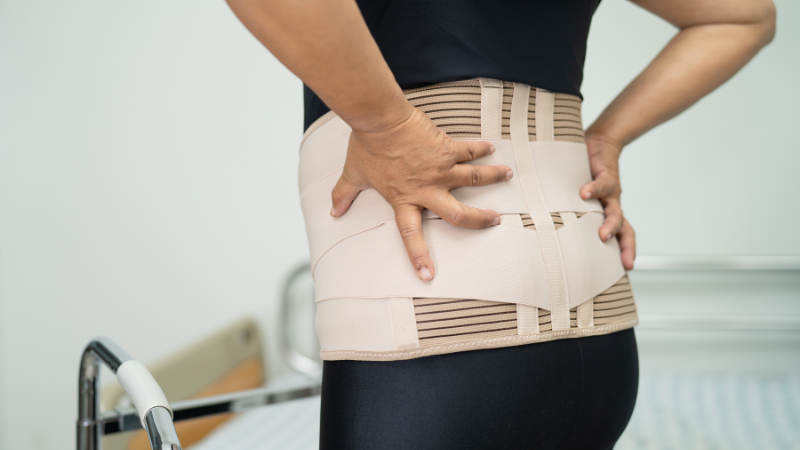
A lumbar herniated disc is a common health condition that occurs when spinal discs displace outward and put pressure on nerve roots, significantly impacting quality of life. Making even basic movements such as sitting, standing, and walking difficult, this ailment often develops due to preventable causes. In this article, we explain methods for preventing lumbar disc herniation based on scientific principles and share step-by-step guidance on how to protect your spine health.
Developing Proper Posture Habits
Providing Posture Support While Sitting
Sitting posture plays a major role in preventing lumbar disc herniation. Ergonomic chairs that support the back and fill the lumbar curve should be preferred. When sitting, the back should be straight, shoulders back, and the chin in a neutral position. Desk workers in particular should perform short stretches and change positions every 30 minutes.
Paying Attention to Spinal Alignment While Standing
If standing for long periods, placing a low footrest under one foot can relieve lower back muscles. It is recommended to distribute weight evenly between both feet, avoid slouching, and choose backpacks that do not strain the spine when carrying bags.
Exercise and Muscle Strengthening Routines
Strengthening Core Muscles
Core muscles, encompassing the abdominal, lower back, and hip regions, provide the spine's natural support. Regular plank, bridge, and knee tuck exercises activate these muscles, reducing the risk of lumbar disc herniation.
Making Stretching Exercises a Daily Routine
Stretching exercises that increase the flexibility of lower back, hip, and leg muscles prevent discs from being subjected to pressure. In particular, the hamstrings, gluteal muscles, and lower back area should be stretched; desk workers should focus on shoulder and back stretches.
Using Proper Lifting Techniques
Lifting Loads by Bending the Knees
When lifting a heavy object from the floor, care should be taken to lower yourself by bending at the knees rather than the waist. The load should be kept close to the body, and sudden twisting movements should be avoided. This technique both reduces pressure on the discs and protects the lower back muscles.
Carrying Weight Evenly Distributed
Unilateral loads can strain the spine and cause disc displacement. Instead, loads should be carried with both hands whenever possible, or methods providing symmetrical distribution, such as backpacks, should be preferred.
Making Lifestyle Changes
Maintaining a Healthy Weight
Excess weight places an extra load on spinal discs, increasing the risk of herniation. Maintaining a healthy weight through a balanced diet and regular exercise reduces this risk. High-fiber foods, anti-inflammatory nutrients, and adequate water intake are recommended.
Quitting Smoking and Alcohol
Smoking impairs blood supply and nutrition to spinal discs, accelerating hernia development. Alcohol, due to its muscle-relaxing effect, can cause posture disorders. Quitting these habits is important for both spinal and overall health.
Choosing the Right Sleeping Position and Mattress
Using an Orthopedic Mattress and Pillow
Neither too soft nor too firm mattresses are suitable for lower back health. An orthopedic mattress should support the spine in its natural curvature. Placing a pillow between the knees when sleeping on your side or under the knees when sleeping on your back relieves lower back muscles.
Avoiding Sleeping on Your Stomach
Sleeping in the prone position can cause excessive pressure on the lumbar and neck regions. Avoiding this position reduces the risk of lumbar disc herniation. Side or back sleeping positions should be preferred as much as possible.
Frequently Asked Questions
Is it possible to completely prevent a lumbar herniated disc?
Yes, with proper habits and an ergonomic lifestyle, lumbar disc herniation can be prevented to a large extent.
Is exercise alone enough for prevention?
Exercise is an important factor, but posture, ergonomics, and weight control are also decisive in prevention.
Is too much sitting or too much standing more harmful?
Both are harmful when taken to excess. The key is balance and moving regularly.
Which positions are risky when lifting loads?
Bending forward at the waist to reach and sudden twisting movements increase the risk of herniation.
Conclusion
The most effective way to prevent a lumbar herniated disc is to align your lifestyle with spine health. Regulating posture habits, strengthening muscles, maintaining a healthy weight, and providing an ergonomic sleep environment form the foundation of this process. Taking precautions before a herniated disc develops is far easier and healthier than treatment.
If you need more information about your spine health, you can visit our homepage, browse our about us page to get to know us better, or contact us through our contact page and Instagram account to get specialist support.