


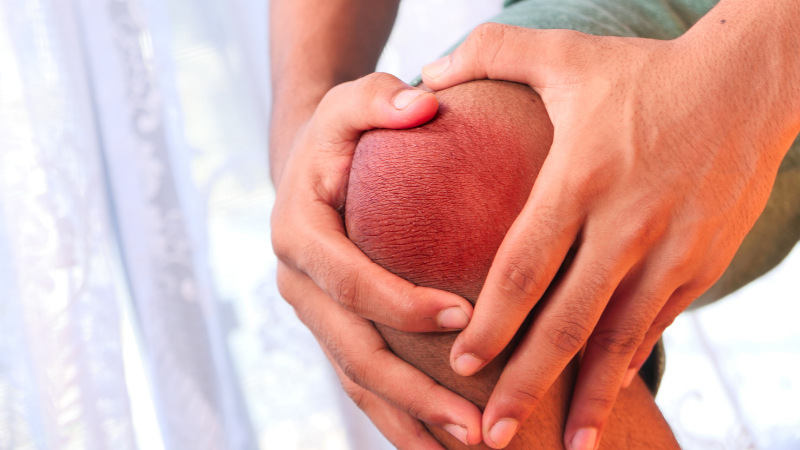
The knee joint is one of the most complex and weight-bearing joints in the body. Playing a critical role in the stability of this joint, the cruciate ligaments are of vital importance, especially for individuals with an active lifestyle. However, in certain cases, these ligaments can tear, severely affecting both athletic performance and daily life. So, why do cruciate ligaments tear? In this article, we explain cruciate ligament injuries in detail, including anatomy, causes, risk factors, and prevention methods.
What Is a Cruciate Ligament? Anatomical and Functional Structure
Cruciate ligaments are strong fibrous connective tissues located inside the knee joint that control the back-and-forth movement of the knee. There are two main cruciate ligaments: the anterior cruciate ligament (ACL) and the posterior cruciate ligament (PCL). The anterior cruciate ligament stabilizes the knee particularly during movements such as sudden stops, changes of direction, and jumping. The posterior cruciate ligament prevents the tibia (shinbone) from sliding backward.
Acting essentially like a seatbelt between the bones, these ligaments ensure balanced knee movement. However, this delicate structure is vulnerable to high physical strain.
Why Do Cruciate Ligaments Tear? Injury Mechanisms
Sudden Pivoting, Stopping, and Direction Changes
During athletic activities, especially in sports that require abrupt stops and changes of direction such as soccer, basketball, and tennis, an extraordinary load is placed on the knee joint. If this load exceeds the ligament's limit of tolerance, a rupture occurs. In particular, having the knee slightly bent and rotated during deceleration increases the risk.
High-Impact Trauma and Excessive Overload
Direct hard impacts to the knee, such as a tackle from an opposing player during a soccer match or traffic accidents, can cause cruciate ligaments to stretch abruptly and tear. In addition, an improper landing or loss of balance after jumping from a height places excessive stress on the ligaments, potentially leading to a tear.
Non-Athletic Situations and Household Accidents
Cruciate ligament injuries are not exclusively an athlete's problem. Tripping over a rug at home, twisting the knee while going down stairs, or an uncontrolled fall during a ski vacation can lead to the exact same outcome.
Risk Factors
Gender-Based Risk Factors
Research shows that female athletes experience anterior cruciate ligament injuries at a higher rate than males. The reasons for this include differences in female knee anatomy, hormonal factors, and muscle coordination patterns. In particular, an imbalance between the hamstring and quadriceps muscles is a recognized risk factor.
Sport Types and Environmental Conditions
Sports involving sudden changes of direction and jumping, such as soccer, basketball, volleyball, handball, and skiing, carry the highest risk. In addition, hard surfaces such as artificial turf and inappropriate athletic footwear increase the likelihood of injury.
Diagnosis and Symptoms of the Injury
In cruciate ligament tears, an audible "pop" sound is commonly heard from the knee at the moment of injury. This is immediately followed by severe pain, rapid swelling, and a sensation of the knee giving way.
For diagnosis, physical examination tests performed by an orthopedic specialist (Lachman test, anterior drawer test) are applied first. For a definitive diagnosis, magnetic resonance imaging (MRI) is preferred. MRI clearly shows the degree and extent of the ligament tear.
Prevention and Rehabilitation Approaches
To prevent cruciate ligament injuries, muscle strengthening, balance exercises, and proper technique training are of great importance. Adequate warm-up prior to sports activities, balanced strengthening of the muscles around the knee, proper footwear selection, and paying attention to surface conditions significantly reduce injury risk.
In the event of a tear, mild cases may regain function through physical therapy. However, in cases of a complete ligament tear, surgery (arthroscopic ligament reconstruction) is generally inevitable. The postoperative rehabilitation process is of critical importance for returning to sports.
Conclusion and Recommendations
Cruciate ligament tears are an important health concern for both athletes and individuals with an active daily life. Understanding the causes, being aware of risk factors, and taking preventive measures can help avert such injuries. To protect your knee health, exercise regularly, never skip warm-up and cool-down routines, and seek specialist medical evaluation whenever injury symptoms occur.
Follow Us
If you enjoyed this article and would like more tips on health, sports, and lifestyle, you can explore our other content on our Home Page . You can visit our About Us Page to learn more about us, and our Contact Page for your questions or suggestions. In addition, do not forget to follow us on our Instagram account for our latest updates and special content!