


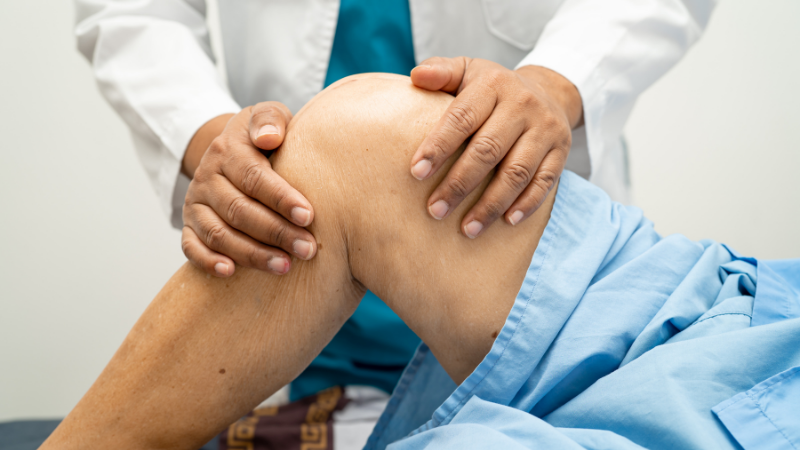
What Is a Meniscus Tear?
The meniscus consists of C-shaped, cartilage-like structures in the knee joint that act as shock absorbers. It balances the load on the joint during movement and provides knee stability. Sudden twists, forceful movements, squatting, or sports activities can tear the meniscus. The location and type of the tear play a major role in determining the treatment approach.
Does a Meniscus Tear Require Surgery?
Not every meniscus tear requires surgical intervention. The treatment decision is made considering the size and shape of the tear, the mechanical problems it creates in the knee, and the patient's lifestyle. Successful results can be achieved with non-surgical treatment methods, especially in painless, small, and stable tears.
Evaluation According to Tear Type and Location
Meniscus tears are generally evaluated in two main zones: the inner part (white zone) and the outer part (red zone). Tears close to the red zone tend to heal more easily thanks to good blood supply. Tears located in this region can generally be treated non-surgically. In contrast, tears located in the white zone have a low chance of healing on their own due to poor blood circulation and mostly require surgery.
When Is Surgery Not Necessary?
-
Small-scale, stable tears
-
Absence of mechanical symptoms such as knee locking or catching
-
The tear is located in the red zone
-
Pain is at a tolerable level depending on the patient's age and daily routine
In these cases, the patient can be monitored with physical therapy, rest, and medication support.
When Is Surgery Necessary?
-
If there is knee locking, a giving-way sensation, and mechanical problems
-
If the tear is large, unstable, or fragmented
-
If there is pain that significantly affects the patient's quality of life
-
If complaints do not resolve despite conservative treatment
In such cases, arthroscopic surgery is generally preferred. The postoperative physical therapy and rehabilitation process is critically important for a successful recovery.
Non-Surgical Treatment Methods
The main methods that can be applied in cases not requiring surgery are as follows:
Rest and Ice Application
In the initial stage, it is important not to strain the knee and not to put weight on it. Ice application can reduce swelling and pain.
Physical Therapy and Exercise
Personalized exercises are performed to strengthen the muscles around the knee, enhance joint stability, and prevent loss of function.
Medication Therapy
Anti-inflammatory medications can be used under a physician's supervision for pain and inflammation control.
PRP and Stem Cell Treatments
PRP, which is among the biological treatment options, can support tissue regeneration in certain tears.
Postoperative Recovery Process
The recovery process after meniscus surgery varies depending on the type of tear and the surgical method performed. A return to daily activities can generally be achieved within 4 to 6 weeks. The physical therapy process is indispensable for accelerating recovery and achieving lasting success.
Conclusion
A meniscus tear does not always require surgery. The choice of treatment should be determined based on the patient's age, the tear's size, knee symptoms, and daily quality of life. With early diagnosis and proper guidance, successful outcomes can be achieved with both surgical and non-surgical methods.
Patient Guidance
If you have questions about a meniscus tear, you can visit our homepage to find out the most suitable treatment method for you, have a detailed examination, or meet our specialist team. You can get to know our clinic better in the About Us section and easily reach us through our contact page. You can also follow our Instagram page to access the latest information and updates.