


Blog
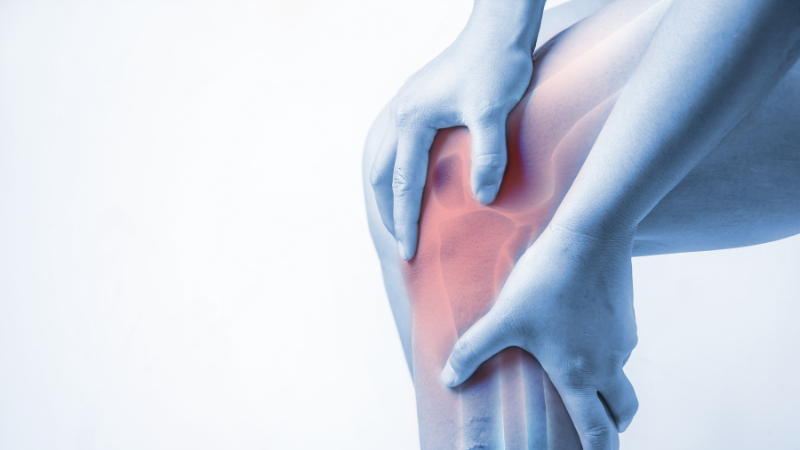
What Is a Meniscus Tear?
The menisci located inside the knee joint are cartilage-like structures that distribute load between joint surfaces and absorb shock. A meniscus tear usually occurs as a result of sudden twisting movements, squatting, or sports-related injuries. The shape, location, and size of the tear directly influence the choice of treatment method.
Can a Meniscus Tear Heal Without Surgery?
A portion of meniscus tears can be treated without surgical intervention. However, this depends entirely on the type and location of the tear, as well as the patient's age. The “red zone,” located near the outer rim of the meniscus, is supplied with blood vessels, giving tears in this area a higher likelihood of healing on their own. In contrast, the inner “white zone” has poor blood circulation, so its healing potential is quite low.
In Which Situations Might Surgery Not Be Needed?
-
Small and stable meniscus tears
-
Cases where pain is mild and no mechanical issues such as catching or locking occur in the knee
-
Age-related degenerative tears
-
Mild cases that do not significantly affect the patient's quality of life
In these types of tears, non-surgical methods are preferred primarily.
Non-Surgical Meniscus Tear Treatment Methods
1. Rest and Ice Application
Initially, the knee should not be strained, and excessive weight should not be placed on it. Ice can be applied at regular intervals to reduce swelling and relieve pain.
2. Physical Therapy and Exercises
Specific exercises are implemented to strengthen the muscles around the knee and increase joint stability. These exercises should be performed under the supervision of a physical therapist.
3. Pain Relievers and Anti-Inflammatory Medications
Medication therapy may be administered upon a doctor's recommendation to reduce inflammation and regain mobility.
4. PRP and Stem Cell Injections
In some patients, growth factors obtained by processing blood through special procedures are injected into the knee to support healing of the damaged tissue.
Recovery Time and Follow-Up
In patients receiving non-surgical treatment, recovery time usually ranges from 4 to 8 weeks. Throughout this period, regular follow-ups and adherence to the exercise plan are of great importance. In some patients, if pain or locking persists despite treatment, surgical intervention may become inevitable.
When Is Surgery Needed?
-
If the tear is large or causes restricted mobility in the knee
-
If pain hinders daily life activities
-
If mechanical problems such as locking or giving way occur
-
If no improvement is observed despite physical therapy and medications
In such cases, arthroscopic meniscus surgery may be required to trim or suture the tear.
Conclusion
A meniscus tear is not a condition that always requires surgery. In particular, small, stable tears in the outer regions can often be treated with non-surgical methods. However, doctor follow-up, accurate diagnosis, proper rest, and exercise are of great importance during the treatment process. Knee health can be preserved with early intervention and professional guidance.
Patient Information
To get detailed information about the status of your meniscus tear, learn the most suitable personalized treatment plan, or schedule an examination appointment, you can visit our home page, explore our about us page to learn about our specialist team, or contact us directly via the contact section. Additionally, if you wish to access up-to-date information and posts, you can follow our Instagram page.