


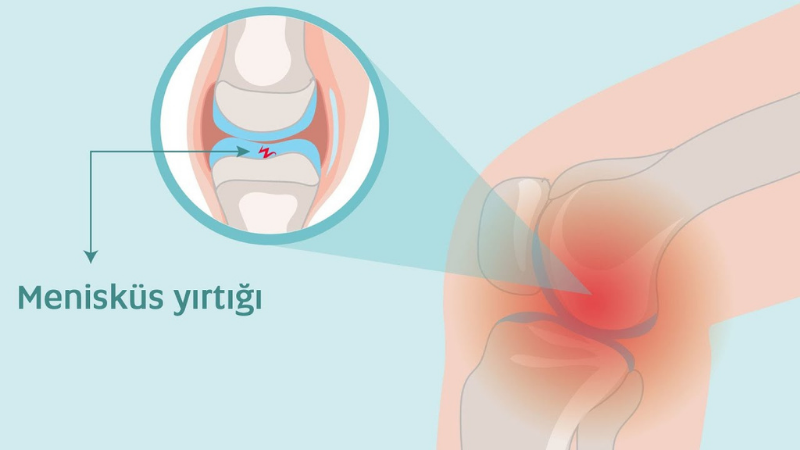
A meniscus tear is a common orthopedic problem that significantly affects knee health. However, these tears do not always occur with the same severity. Medically, meniscus tears are graded according to their severity. This grading is of great importance both for guiding the treatment process and for predicting recovery time. Meniscus tears are divided into three main groups: Grade 1, Grade 2, and Grade 3.
What Is a Meniscus Tear?
The meniscus, located between the bones in the knee joint, is a shock-absorbing and stabilizing structure. When torn, it causes complaints such as knee pain, swelling, and restricted mobility. Not every meniscus tear has the same severity; therefore, the “grade” is determined during diagnosis using MRI.
What Are the Meniscus Tear Grades?
Grade 1 Meniscus Tear
Grade 1 is the mildest stage, where a complete tear has not yet formed in the meniscus tissue and damage has begun at a microscopic level. Usually, a slight signal increase within the meniscus is observed on MRI, but there is no tear reaching the surface.
Symptoms:
-
Mild pain
-
Occasional swelling
-
Movement restriction is usually absent
Treatment:
Grade 1 tears can mostly be healed with conservative methods (rest, ice application, physical therapy). Surgical intervention is not required.
Grade 2 Meniscus Tear
Grade 2 is characterized by a more prominent signal increase within the meniscus. The tear does not reach the meniscus surface, but progressive micro-tears are present. Symptoms may increase at this stage.
Symptoms:
-
Intermittent knee pain
-
Discomfort when climbing stairs or squatting
-
Occasional catching sensation
Treatment:
It can be brought under control with mild physical therapy programs, lifestyle modifications, and exercises to strengthen the muscles around the knee. Regular follow-up is recommended because Grade 2 tears can progress and turn into Grade 3.
Grade 3 Meniscus Tear
Grade 3 is the most serious form of meniscus tears. At this stage, the meniscus tissue is completely torn and the tear has reached the meniscus surface. It is detected with prominent signal intensity on MRI.
Symptoms:
-
Severe knee pain
-
Catching or locking sensation
-
Swelling and restricted mobility
-
Difficulty walking
Treatment:
In Grade 3 tears, arthroscopic surgery is generally recommended. In surgery, the torn meniscus is either repaired or the torn area is removed. The post-operative physical therapy process is of great importance.
How Is the Grade of a Meniscus Tear Determined?
MRI
The most effective and common method is magnetic resonance imaging (MRI). Thanks to MRI, disruptions in the structure of the meniscus can be clearly visualized, and the grade of the tear can be accurately classified.
Clinical Examination
In the physical examination performed by an orthopedist, knee range of motion, tenderness, and pain areas are evaluated to establish a preliminary diagnosis. However, imaging is essential for definitive grading.
Why Is Treatment Planning by Grade Important?
The grade of a meniscus tear is a determining factor in treatment decisions. Avoiding unnecessary surgery or preserving knee health through timely intervention is possible thanks to this classification. In addition, the treatment duration and application for each tear vary.
In conclusion, meniscus tears are evaluated at different levels according to their severity, and different treatment methods are recommended for each grade. If you experience persistent pain, catching sensations, or swelling in your knee, you should definitely consult an orthopedic specialist and undergo an MRI evaluation. With early diagnosis and proper intervention, you can protect your knee health for many years.
To learn more about your knee health, evaluate treatment options, or contact us directly, you can visit our Homepage, Blog, or Contact Page. Do not forget to also follow our Instagram account for up-to-date content, exercise recommendations, and patient information. Access to accurate information and a trusted team for your health is just one click away!