


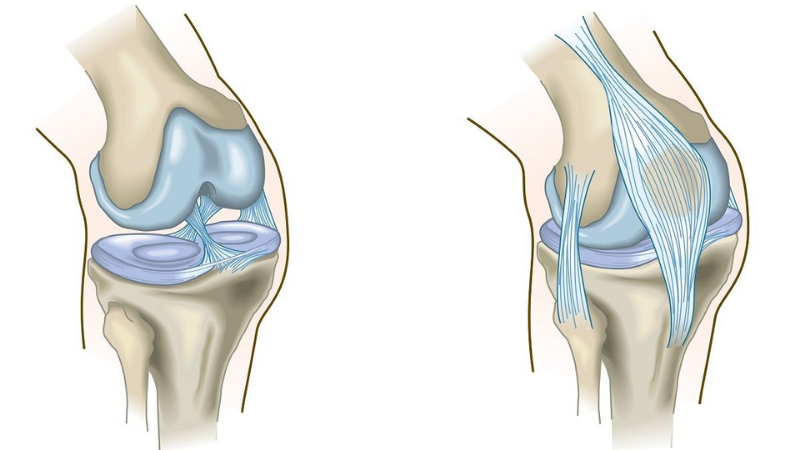
A meniscus tear is a serious knee condition that directly impacts daily life and mobility. Although commonly seen among athletes, it can affect individuals of all ages. So, what are the primary causes of this tear? How do sudden movements, aging, or improper exercise techniques pave the way for a meniscus tear? Here are the main causes behind a meniscus tear.
What Is the Meniscus and Why Is It So Important?
Located in the knee joint, the menisci are crescent-shaped, cartilage-like structures situated between the thigh bone (femur) and the shin bone (tibia). Serving as shock absorbers, these structures ensure balanced knee function and distribute the pressure generated during movement. A healthy meniscus plays a key role in proper knee function.
The Most Common Causes of a Meniscus Tear
1. Sudden Twisting and Direction Changes
Sudden twists made during sports such as football, basketball, and tennis are among the primary causes of meniscus tears. During such movements, the upper body rotates rapidly while the knee remains planted, placing excessive stress on the meniscus.
2. Overloading and Pressure on the Knee
Carrying heavy loads, kneeling for extended periods, or performing high-impact exercises places pressure on the knee joint. Over time, these activities can cause meniscus tissue to weaken and tear.
3. Age-Related Degeneration
As we age, meniscus tissue loses its elasticity and becomes more brittle. In individuals over 40, meniscus tears can often occur even from minor trauma. Degenerative meniscus tears typically do not originate from sports, but develop due to the weakening of the cartilage structure.
4. Trauma and Direct Impacts
Meniscus tears can occur as a result of accidents, falls, or direct blows to the knee. These types of traumatic tears often cause damage to other knee ligaments as well.
5. Improper Exercise Techniques
Incorrect workout programs, sports performed without warming up, or intense training without flexibility work seriously threaten knee health. Muscle imbalances or weak knee muscles also increase the load on the meniscus, elevating the risk of a tear.
6. Excess Weight and Obesity
As body weight increases, the load on the knees increases as well. Excess weight places the menisci under constant pressure. Over time, this leads to wear and tear on the menisci, making them tear more easily.
Who Is at Higher Risk of a Meniscus Tear?
-
Professional and amateur athletes
-
People working in physical labor (construction workers, farmers, etc.)
-
Individuals over 40 years of age
-
Overweight individuals
-
Individuals with muscle weakness or imbalances
What Should Be Done to Prevent a Meniscus Tear?
Regular Exercise and Muscle Strengthening
Exercises that strengthen the muscles around the knee reduce pressure on the meniscus. In particular, strengthening the quadriceps and hamstring muscles helps the knee remain more stable.
Choosing the Right Footwear
Supportive footwear that preserves foot and knee alignment ensures that the knee stays in the proper position during sports. This significantly reduces the risk of a tear.
Warm-Up and Cool-Down Routines
Stretching and warm-up exercises performed prior to workouts increase the flexibility of the meniscus and enhance its resistance to sudden movements.
Healthy Weight Management
Maintaining an ideal weight protects the health of both the meniscus and other joints by reducing pressure on the knees.
In conclusion, a meniscus tear is a condition that is often overlooked, but can easily be prevented when early precautions are taken. To protect your meniscus, pay attention to your lifestyle, review your exercise habits, and consult a specialist without delay if symptoms appear.
To learn more about your knee health, evaluate treatment options, or contact us directly, you can visit our Homepage, Blog, or Contact Page. Don't forget to follow our Instagram account for updated content, exercise tips, and patient information. Accessing accurate information and a trusted team for your health is just a click away!