


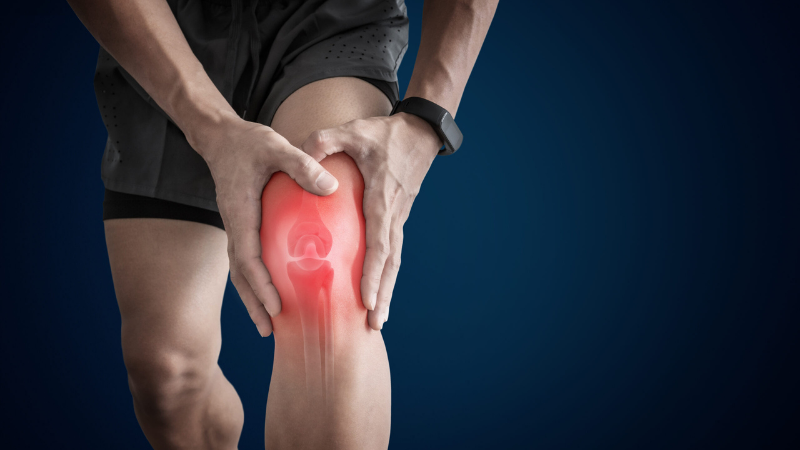
A meniscus tear is a tear in the cartilage-like structure located inside the knee that supports knee movement. This condition is not a problem that only happens to professional athletes. Sudden movements in daily life, age-related cartilage degeneration, or trauma such as falls can also lead to a meniscus tear. So, what are the symptoms of this tear? Why is early diagnosis important? You can find the answers to all these questions in our article.
What Is a Meniscus Tear?
Located in the knee joint between the thigh bone and the shin bone, there are two menisci in each knee: inner (medial) and outer (lateral). Functioning as shock absorbers, the menisci ensure the balanced functioning of the knee. When these structures tear, a person’s mobility is significantly reduced and their quality of life declines.
What Are the Symptoms of a Meniscus Tear?
A meniscus tear usually manifests with specific symptoms. While these symptoms may appear immediately in some cases, they can also be observed days or weeks later.
1. Knee Pain
The most common symptom of a meniscus tear is knee pain. Particularly concentrated on the inner or outer side of the knee, the pain causes discomfort when climbing stairs, squatting, or walking. The pain is not constant and can increase with movement.
2. Swelling and Stiffness in the Knee
Torn meniscus tissue causes inflammation within the knee. Over time, this leads to swelling and stiffness. Your knee looking larger than normal or having difficulty bending it are among the signs of this symptom.
3. Limited Range of Motion
People who cannot comfortably bend or fully straighten their knee are likely to have a meniscus tear. This restriction in mobility leads to serious difficulties, especially in sports activities or daily routines.
4. Sensation of Locking
Meniscus tears can sometimes affect the mechanical structure of the knee, causing a sensation of locking. The person feels as if they cannot move the knee past a certain point. This symptom may vary depending on the size and location of the tear.
5. Catching and Clicking Sounds in the Knee
A “clicking” sound or a catching sensation coming from the knee is also among the symptoms of a meniscus tear. These sounds can result from the torn meniscus piece rubbing against the knee joint.
Who Is at Risk?
A meniscus tear does not only occur in athletes. In older individuals, the weakening of meniscus tissue due to aging also increases the risk of tearing. In addition, meniscus tears are more frequently seen in those involved in sports requiring sudden twisting and directional changes, such as football, basketball, and skiing.
How Is a Meniscus Tear Diagnosed?
Physical Examination
The orthopedist tests knee movements to examine symptoms such as pain, swelling, and restricted range of motion. Special maneuvers such as the McMurray test are used in the diagnostic process.
Imaging Methods
MRI (Magnetic Resonance Imaging) is the most effective method to confirm a meniscus tear. Thanks to MRI, the location, shape, and size of the tear can be clearly seen.
Meniscus Tear Treatment
Conservative Methods
For mild tears, rest, ice application, knee brace use, and physical therapy are recommended. Recovery is possible with such treatments.
Surgical Intervention
In severe tears, meniscus repair or removal via arthroscopy may be required. Physical therapy after surgery is of critical importance in regaining the knee’s former function.
What Should Be Done to Prevent a Meniscus Tear?
-
Warm-up exercises before sports should not be neglected.
-
Exercises that strengthen the knee muscles should be performed.
-
Sudden movements on hard surfaces should be avoided.
-
Excess weight should be avoided to reduce the load on the knees.
In conclusion, a meniscus tear is a health problem that can be treated effectively when symptoms are recognized early, and one where the individual can regain their quality of life with the right approach. Symptoms such as pain, swelling, locking, or limited mobility in the knee should not be ignored. If you have such complaints, consulting an orthopedic specialist without further delay is extremely important. Early diagnosis prevents serious complications that may arise in later stages, such as cartilage damage, joint disorders, and even knee replacement.
To get more information about your knee health, evaluate treatment options, or contact us directly, you can visit our Home Page, Blog, or Contact Page. Do not forget to also follow our Instagram account for up-to-date content, exercise recommendations, and patient information. Reaching accurate information and a trusted team for your health is just one click away!