


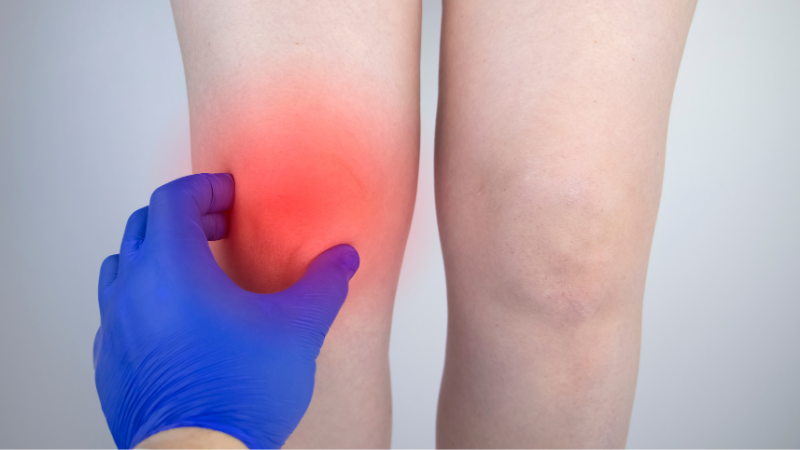
Meniscus Tear Exercises
What are the effective exercises you can perform after a meniscus tear? Find the right guide here to protect your knee health and increase muscle strength!
Introduction
Knee health is the foundation of our mobility in daily life. In particular, protective structures like the meniscus provide joint stability and act as shock absorbers. However, age-related wear, sudden sports movements, or an awkward step can cause tears in these tissues. Following a meniscus tear, surgical intervention may be required, but often proper exercises support knee healing and reduce the risk of re-tear. In this blog post, we will examine step by step the most effective exercises you should perform after a meniscus tear.
The Purpose of Meniscus Exercises
Meniscus exercises are vital not only for muscle development, but also for restoring knee joint function, reducing pain, controlling swelling, and preventing recurrent injuries. Increasing muscle strength, regaining range of motion, and strengthening balance mechanisms are the primary goals.
Who Are They Suitable For?
-
Individuals undergoing post-operative rehabilitation
-
Patients following conservative (non-surgical) treatment
-
Those experiencing mild to moderate tears
-
Individuals without knee swelling who can move in a controlled manner
Because each individual's treatment plan may differ, the recommendation of a physical therapist should be obtained before starting an exercise program.
Exercise Stages and Guide
Phase I: First 0–2 Weeks (Protection & ROM)
Goal: Achieve muscle control, initiate range of motion
-
Quad Set: Tighten thigh muscle keeping knee straight for 5 seconds, 10 repetitions
-
Heel Slides: Slowly slide heel toward you in supine position, 10 repetitions
-
Ankle Pumps: Move ankle up and down, increase circulation
-
Patellar Mobilization: Gently move kneecap with fingers
Phase II: 2–6 Weeks (ROM Increase & Light Strength)
Goal: Increase knee control, begin strengthening
-
Short Arc Quad: Place a towel roll under lower leg and lift upward without bending knee
-
Mini Squat (15°): Lean against wall and squat very slightly, hold for 5–10 seconds
-
Straight Leg Raise: Lift 45° from the floor with straight leg
-
Clamshell Exercise: Work hip muscles by opening and closing knees in side-lying position
🔹 Phase III: 6–12 Weeks (Strength & Balance)
Goal: More active muscle engagement, balance skills
-
Step-up: Step up and down on a low step (starting from a height of 5 cm and increasing)
-
Wall Slide: Slowly slide down the wall bending knees, then return upward
-
Single-Leg Stance: Single-leg stance on a balance board for 10–20 seconds
-
Hamstring Curl: Bend leg toward buttocks in prone position
🔹 Phase IV: 12–24 Weeks (Functional Exercises)
Goal: Preparation for sports activities, full functional recovery
-
Leg Press (Low Weight): Apply pressure in the 0–60° knee range
-
Plyometric Exercises: Small hops (gradually increased in later weeks)
-
Single-Leg Hops: Improves balance, reflexes, and muscle coordination
-
Balance on Foam Pad: Stimulates stabilizing muscles around the knee
Core Exercises to Perform at Home
-
Straight Leg Raise: 10 repetitions × 2 sets
-
Quad Set: Hold 5 seconds, 10 repetitions
-
Mini Squat (15°): 8–10 repetitions, with support
-
Heel Slides: Bending by sliding heel, 10 repetitions
-
Step-up: On a low step, 2 sets × 10 repetitions
-
Hamstring Curl: Can be done standing or in prone position
Note: If pain increases during exercise, stop immediately; if swelling occurs, apply ice.
Points to Consider
-
Painful exercises should not be performed
-
Slow and controlled movements should be preferred
-
Exercises should be initiated under the supervision of a physical therapist
-
Exercise should be stopped in case of fatigue or severe pain
-
Patience is required as the recovery process is specific to each individual
Frequently Asked Questions (FAQ)
Can meniscus exercises prevent surgery?
Some small tears can be treated with exercise alone; however, surgery may be unavoidable for large and unstable tears.
When should exercise be started?
Isometric exercises can even be started the day after surgery. Other exercises should be progressed under the guidance of a physician.
How long does full recovery with exercise take?
Recovery can occur within 4–8 weeks with conservative treatment. Following surgery, it may extend up to 3–6 months.
Which exercises should I avoid?
Very deep squats, sudden twists, jumping, and movements that place heavy loads on the knee should be avoided.
Conclusion
Performing proper and regular exercise following a meniscus tear is essential to restore the healthy structure of the knee. A phased rehabilitation process helps reduce pain and ensures the knee maintains its natural function. Remember, every knee is different and exercise programs must be individualized. When in doubt, always consult an orthopedic specialist or physical therapist.
For more information, you can visit the Home and Contact sections of our website, and follow us on our Instagram account for up-to-date content.