


How Long Does Hip Replacement Surgery Take? General Duration and Initial Evaluation
The question of how long hip replacement surgery takes is one of the primary concerns for patients undergoing this procedure or their relatives. Generally, hip replacement surgeries take between one and a half to three hours on average. However, it is essential to understand that this duration can vary depending on the individual and the specifics of the operation. Key factors determining how long the operation takes include the patient's age, overall health status, the surgical technique employed, the surgeon's experience, and whether the procedure is a primary surgery or a revision operation.
A standard total hip replacement surgery is typically completed in about two hours if the patient has had no prior surgical intervention and the surgeon uses conventional open surgery. However, certain special conditions can prolong this time. For instance, factors such as obesity, bone deformities, and the presence of prior surgical scars can make the procedure more complex and cause the duration to exceed three hours. Therefore, although a general estimate can be given for how long hip replacement surgery takes, each patient's process is unique.
How Long Do Preoperative Preparation and Anesthesia Take in the Hospital?
When answering how long hip replacement surgery takes, one must consider not only the surgical operating time but also the preoperative preparation process. The patient is admitted to the hospital on the morning of surgery, and either general anesthesia or spinal anesthesia is administered before the operation. This preparation phase typically lasts between thirty minutes and one hour. During anesthesia administration, the patient's blood pressure, heart rate, respiration, and other vital signs are closely monitored, while the surgical team completes sterile preparations in the operating room.
The preparation time directly influences the success of the operation. Proceeding without thorough and proper preparation can increase the risk of complications. Therefore, regardless of how long preparation takes, this phase must never be overlooked. Once anesthesia is successfully administered, the patient is positioned for surgery, and the necessary surgical incision is made in the hip area.
Surgical Procedures and Durations During Hip Replacement Surgery
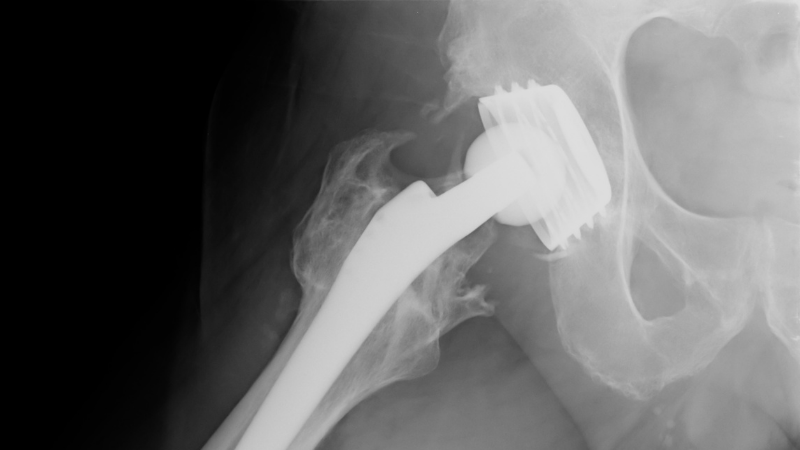
The definitive answer to how long hip replacement surgery takes lies in how the procedure is performed. During the operation, damaged or arthritic bone and cartilage tissues in the hip joint are removed. Artificial hip prosthesis components made of titanium, ceramic, or other biocompatible materials are then implanted in their place.
These steps may vary depending on the surgeon's pace and the technique used. For example, minimally invasive surgical techniques involve smaller incisions, which can make certain stages take longer. However, because recovery times with these methods are shorter, they are considered advantageous in the long term. Since shaping bone surfaces, positioning the prosthesis, and securing it require meticulous precision, this stage constitutes the majority of the surgical duration.
At this point, surgery is completed within an average of one and a half to two and a half hours. However, in specific cases, this may reach three hours. Particularly in more complex scenarios such as revision surgery, removing the previous implant, placing bone grafts, or performing supplementary surgical procedures can extend the operation time up to four hours.
Postoperative Recovery, Observation, and the First Day
The timeline of hip replacement surgery does not end when the surgical procedure concludes. Immediately after surgery, the patient is awakened from anesthesia and kept under specialized monitoring for the first few hours. During this phase, the patient regains consciousness, and respiratory and circulatory functions stabilize. This process lasts approximately one to two hours and is considered part of the overall operative timeframe.
Following the recovery room phase, the patient may be transferred to a step-down observation unit or directly to the inpatient ward rather than intensive care. Blood pressure, body temperature, urine output, and the wound site are monitored regularly. Patient-controlled analgesia (PCA) pumps or intravenous painkillers may be administered for pain management. Within the first six hours, leg movements are evaluated, and repositioning is carried out in adherence to movement precautions established by the surgeon.
Other Factors Influencing the Duration of Hip Replacement Surgery
When addressing how long hip replacement surgery takes, one must consider not only the surgical technique but also the patient's overall health, comorbid conditions, previous surgeries, and prosthesis type. For example, in individuals with chronic conditions such as diabetes, hypertension, or COPD, the operative duration may be longer because anesthesia management and tissue repair require greater vigilance.
Furthermore, the technological infrastructure of the hospital where the surgery is performed influences this process. Robotic-assisted surgery systems may occasionally increase surgical duration, yet they enable higher precision. This can improve procedural outcomes while reducing the risk of complications. The surgeon's experience also plays a critical role in surgical duration; experienced surgeons can optimize operative time while achieving successful outcomes.
Conclusion
The answer to how long hip replacement surgery takes cannot be reduced to a single fixed duration applicable to every patient. Considering the average timeframe, however, this procedure takes approximately two and a half to four hours including preoperative preparation. For a successful outcome, conducting this time with meticulous precision is of paramount importance. Even if the duration is extended, the quality of surgical steps performed during this period directly affects the patient's future quality of life.
If you would like to receive more information and learn how this process applies to your individual situation, you can visit the Home Page of our website, or use our Contact form to submit your questions directly. In addition, you can follow our Instagram account for updates and health advice to stay connected with us.