


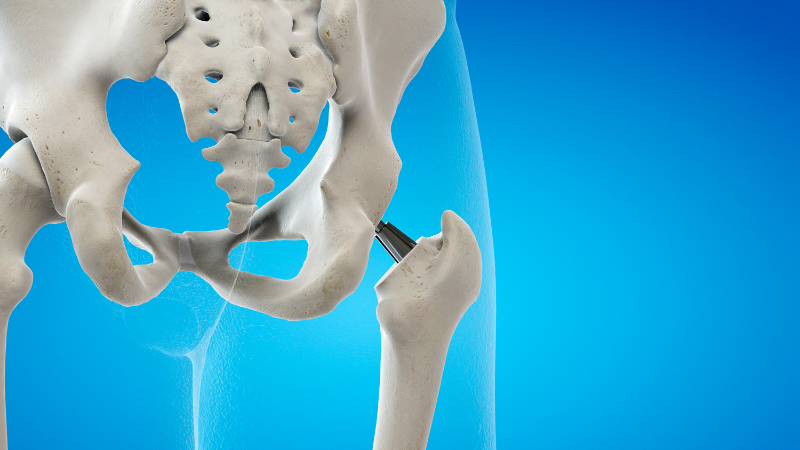
Hip replacement surgery recovery process: get detailed information. Learn step by step about the journey from the first day after surgery to full recovery. Everything you need to know for a pain-free, safe, and healthy recovery is here.
Hip Replacement Surgery Recovery: First Days in the Hospital
The hip replacement surgery recovery process begins with a delicate period that must be managed carefully right from the first hours following surgery. Generally, the patient is kept under observation in the hospital for 24 to 72 hours postoperatively. During this time, pain control is maintained, and the risk of infection is minimized through intravenous antibiotic therapy. At the same time, early mobilization begins under the guidance of physiotherapists to help the patient regain weight-bearing ability on the leg. First steps are usually taken with the support of a walker or crutches. Adhering to the movement restrictions recommended by doctors is essential during this stage.
Hip Replacement Surgery Recovery: First 2 Weeks at Home
As the hip replacement surgery recovery process continues at home, the first two weeks represent one of the most critical periods for the patient. After discharge, the home environment must be arranged to ensure safety and allow the patient to move comfortably. During this period, care should be taken to keep the incision site dry and clean, and dressings should be changed at intervals specified by the doctor. Swelling and bruising are normal during this stage, but a doctor should definitely be consulted if they increase excessively. Assistive devices such as a cane or walker help the patient move independently while minimizing the risk of falling. Placing a pillow between the legs while sleeping and sleeping on one's back are important to prevent the prosthesis from dislocating.
Hip Replacement Surgery Recovery: From Week 3 to Month 2
From the third week onward, the hip replacement surgery recovery process becomes somewhat more active. The patient can now take short walks, engage in light household chores, and largely manage their own personal care. During this period, exercises performed with a physiotherapist increase muscle strength and improve joint range of motion. Activities such as getting into a car and taking short trips can be undertaken under medical supervision. Thanks to improved mobility, transitioning from a walker to a cane becomes possible. However, sudden movements, bending over, and excessively twisting the leg must be avoided.
Hip Replacement Surgery Recovery: Months 2 to 6
Between 2 and 6 months, the hip replacement surgery recovery process becomes much more stable. Physical activity capacity increases, and the patient can carry on with daily life almost as before. During this period, walking distances can be increased, and low-impact exercises such as cycling and swimming can be performed with physician approval. The muscles surrounding the prosthesis begin to strengthen fully. Patients generally begin walking without a cane toward the end of this period. However, because the healing process varies from person to person, medical follow-up should not be discontinued.
Hip Replacement Surgery Recovery: Nutrition and Supporting Factors
The hip replacement surgery recovery process should be supported not only through physical activity, but also through proper nutrition. To promote tissue repair and strengthen the immune system after surgery, foods rich in protein, vitamin C, and vitamin D should be consumed in abundance. Calcium support protects bone health, while drinking plenty of water reduces the risk of constipation caused by medications. Because smoking and alcohol negatively affect tissue regeneration, they are strictly discouraged during this process. In addition, taking vitamin or mineral supplements under a doctor's recommendation can accelerate recovery.
Hip Replacement Surgery Recovery: Watching for Complications
Vigilance is required regarding potential complications throughout the hip replacement surgery recovery process. The most common risks include infection, implant loosening, and blood clots (DVT). To prevent such issues, routine doctor appointments should not be missed, and symptoms should be monitored carefully. In cases of sudden increase in pain, severe swelling, or high fever, a healthcare provider should be contacted immediately. Furthermore, avoiding prolonged inactivity and performing prescribed exercises regularly significantly reduces the risk of complications.
Conclusion
The hip replacement surgery recovery process is a journey requiring patience, discipline, and attention. Following medical recommendations from day one, staying consistent with physical therapy, and maintaining healthy lifestyle habits are essential for a successful outcome. Because each individual's body heals differently, respecting the personal healing timeline and staying under expert supervision are vital.
If you would like to find more information regarding your health, you can visit our Home Page and About Us sections. For your questions, you can easily reach us via our Contact page. Don't forget to follow our Instagram account for daily health updates and informative content!