


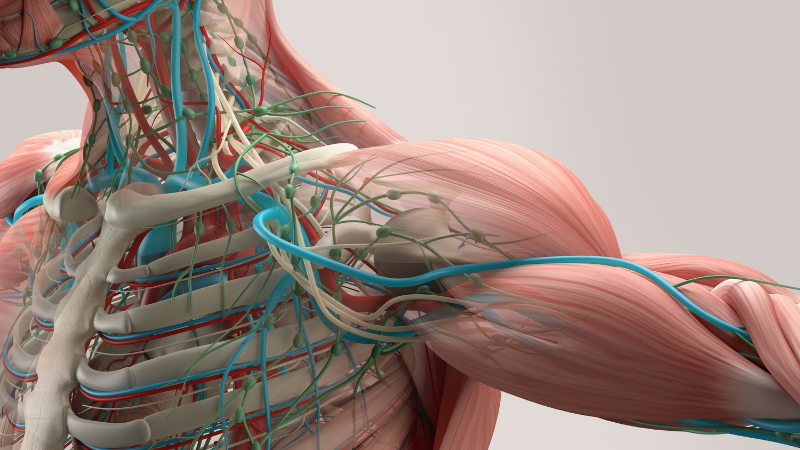
Vitamin D positively impacts the treatment process in physical therapy by supporting muscle and bone health. In this article, the importance of vitamin D in physical therapy and the consequences of its deficiency are discussed in detail.
The Importance of Vitamin D in Body Functions
What Is Vitamin D and How Is It Obtained?
Vitamin D is a fat-soluble vitamin that plays multiple biological roles in the body. It can be obtained through sunlight, food, and supplements. Sunlight, in particular, triggers the synthesis of vitamin D in the skin.
Effects on Muscle and Bone Health
Vitamin D supports bone mineralization by regulating the absorption of calcium and phosphorus. In addition, it enhances muscle function by increasing muscle strength.
The Role of Vitamin D in Physical Therapy
Increasing Muscle Strength and Endurance
Vitamin D optimizes muscle contractions by regulating calcium influx in muscle cells. This increases muscle strength and endurance throughout the physical therapy process.
Preserving Bone Density
In physical therapy practices, vitamin D reduces the risk of osteoporosis by preserving bone density. This minimizes the risk of falls and fractures, particularly in elderly individuals.
Pain Management and Reducing Inflammation
Thanks to its anti-inflammatory properties, vitamin D can reduce musculoskeletal pain. This enhances the effectiveness of physical therapy sessions.
Symptoms and Consequences of Vitamin D Deficiency
Muscle Weakness and Fatigue
Vitamin D deficiency can cause muscle weakness and chronic fatigue. This condition can adversely affect the physical therapy process.
Bone Pain and Fracture Risk
Deficiency can impair bone mineralization, leading to bone pain and an increased risk of fractures. This is especially critical in patients with osteoporosis.
Weak Immune System
Vitamin D supports immune system functions. Its deficiency may reduce resistance to infections.
Evaluation and Supplementation of Vitamin D Levels
Evaluation Through Blood Tests
Vitamin D levels can be measured with blood tests to identify a deficiency. This is an essential step in physical therapy planning.
Supplementation and Nutritional Recommendations
In cases of deficiency, vitamin D supplements can be taken under a doctor's guidance. Additionally, foods rich in vitamin D should be consumed.
Foods Rich in Vitamin D
-
Fatty fish (salmon, mackerel)
-
Egg yolk
-
Liver
-
Cheese and dairy products
-
Cereals fortified with vitamin D
Conclusion
Vitamin D positively influences the treatment process in physical therapy by supporting muscle and bone health. In case of deficiency, the effectiveness of physical therapy may decrease and the recovery period may be prolonged. Therefore, it is important to regularly monitor vitamin D levels and supplement when necessary.
Contact and Social Media
To get more information about your health and receive expert support, you can visit our Home Page and Contact sections. Do not forget to follow our Instagram account for current information and tips!