


Knee Stem Cell Therapy: A New Era in Non-Surgical Knee Treatment
Knee stem cell therapy is a groundbreaking procedure, especially for orthopedic conditions. Wear and tear in the knee joint, osteoarthritis, and other chronic disorders can severely affect patients' quality of life. Although invasive methods such as surgery may sometimes appear inevitable, today more natural, fast, and effective solutions are possible with non-surgical knee treatment and stem cell therapy. In this article, we discuss knee joint problems, how stem cell therapy is performed, and the benefits of stem cell therapy for the knee.
What Is the Knee?
The knee is the largest and most complex joint in the body. The knee joint is located between the thigh bone (femur), the shin bone (tibia), and the kneecap (patella). In addition, structures such as ligaments, cartilage, and the meniscus ensure the proper functioning of the knee joint. The knee joint is one of the fundamental components of the body's movement and balance capacity, bearing a significant load during daily activities.
For this reason, knee joint disorders become more common with age, overuse, sports injuries, and other factors. These knee problems can limit a person's mobility and negatively impact their quality of life.
The Knee Joint and Cartilage Wear
The knee joint is surrounded by a cartilage structure that allows it to move smoothly. This cartilage prevents the bones from rubbing against each other, ensuring smooth joint movement. However, over time, cartilage tissue can wear away due to overuse, injuries, or age-related causes. This condition is called knee osteoarthritis. Along with cartilage loss, the knee joint stiffens, and pain and swelling occur.
Knee osteoarthritis is particularly common in older individuals and progressively restricts mobility over time. If left untreated, this condition can lead to more serious problems. Although conventional methods include medication, physical therapy, and surgical intervention, stem cell therapy has emerged as an important alternative in this field in recent years.
Is Non-Surgical Knee Treatment Possible?
Yes, non-surgical knee treatment is possible today and is a very appealing option for patients. Conventional treatments for knee problems can involve surgical interventions. However, not every patient wants to undergo surgery or face the risks of a surgical operation. At this point, non-surgical knee treatment options come into play.
Non-surgical treatment methods include the following:
-
Physical Therapy: Strengthening the muscles around the knee to reduce the load on the joint.
-
PRP (Platelet-Rich Plasma) Therapy: Injecting plasma rich in platelets obtained from the patient's own blood into the knee joint.
-
Stem Cell Therapy: Using stem cells for cartilage regeneration and repair of the knee joint.
-
Hyaluronic Acid Injections: Lubricating the joint to relieve pain and increase mobility.
These treatments aim to repair knee damage and relieve pain without surgical intervention.
What Is Knee Stem Cell Therapy?
Knee stem cell therapy is a treatment method in which stem cells are used to repair damaged joints and cartilage tissues. Stem cells are specialized cells in the body capable of transforming into different cell types. Stem cell therapy in the knee provides effective results, particularly in osteoarthritis, cartilage wear, and joint injuries.
During the treatment process, stem cells harvested from the patient's own body (usually obtained from bone marrow or adipose tissue) are processed in a laboratory environment and then injected into the knee joint. These cells initiate the repair process in the body and facilitate cartilage tissue regeneration. Thus, they help the knee joint regain its prior health.
Advantages of Knee Stem Cell Therapy
Because knee stem cell therapy is a non-surgical method, it offers many advantages:
-
Natural Healing Process: Stem cells trigger a natural repair process in the body and help tissues regenerate.
-
Rapid Recovery: Compared to surgery, recovery time can be shorter. Patients can return to their daily activities more quickly.
-
Minimal Side Effects: Because stem cells are obtained from the patient's own body, the body does not reject these cells, and the risk of allergic reaction is extremely low.
-
Wide Range of Applications: It can be used for many orthopedic problems, from osteoarthritis to sports injuries.
Stem Cell Therapy in Knee Osteoarthritis
Knee osteoarthritis occurs when joint cartilage wears down and tissues surrounding the joint are damaged. Although osteoarthritis is commonly seen in older individuals, it can also occur in younger people due to sports injuries or overuse. While painkillers, anti-inflammatory medications, and surgical methods stand out in conventional treatments, stem cell therapy has yielded promising results in the treatment of this condition in recent years.
Stem cell therapy in knee osteoarthritis relieves patient pain and increases joint mobility by enabling the regeneration of worn cartilage tissue. This method offers an attractive alternative, especially for patients who do not want surgical intervention. The treatment process may take several sessions, and patients' recovery processes may vary depending on individual differences.
How Is Knee Stem Cell Therapy Performed?
Knee stem cell therapy is a process consisting of several steps. Here are the steps of this process:
-
Harvesting Stem Cells: Stem cells are obtained from the patient's own body (usually from bone marrow or adipose tissue).
-
Processing Stem Cells: The harvested stem cells are processed and concentrated in a laboratory environment.
-
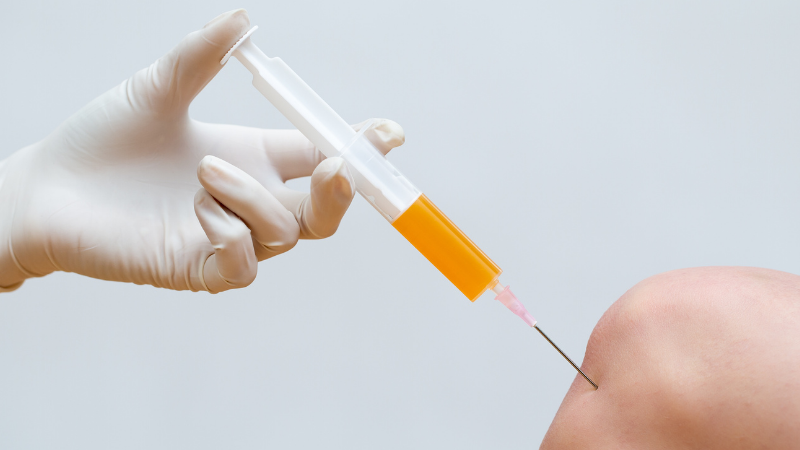
Injection of Stem Cells into the Knee Joint: The processed stem cells are injected into the damaged knee joint. These cells facilitate the regeneration of damaged tissues in the joint and initiate the healing process.
-
Recovery Process: Patients show signs of improvement within a few weeks. Pain decreases and joint mobility increases.
Because this process is a non-surgical method, it is preferred by a large majority of patients.
Knee Stem Cell Therapy Prices
The cost of stem cell therapy varies depending on the area treated and the patient's condition. Knee stem cell therapy prices may differ depending on the severity of the problem experienced by the patient, the type of stem cells used, and the hospital where the treatment is administered. In Istanbul, stem cell therapy prices generally range between 5.000 TL and 50.000 TL. This price range varies depending on the scope of treatment and the technologies used.
Before starting treatment, getting a detailed price quote from your doctor is the most accurate approach.
Frequently Asked Questions
How is knee stem cell therapy performed?
In knee stem cell therapy, stem cells taken from the patient's own body are injected into the knee joint. These cells repair damaged tissues, restoring the health of the joint.
Is stem cell therapy effective in knee osteoarthritis?
Yes, stem cell therapy in knee osteoarthritis relieves patients' pain and increases joint mobility by regenerating worn cartilage tissue.
Is non-surgical knee treatment possible?
Yes, non-surgical knee treatment is possible. Knee joint problems can be treated without surgical intervention using methods such as stem cell therapy, PRP, and physical therapy.
Is stem cell therapy safe for the knee?
Yes, stem cell therapy is generally a safe treatment method. Because the patient's own cells are used, the risk of allergic reaction is low.
How long does knee stem cell therapy take?
Treatment generally takes a few sessions, and depending on the patient's condition, the recovery process can be observed within a few weeks.
What are the prices for knee stem cell therapy?
Knee stem cell therapy prices vary depending on the treatment and the hospital. In Istanbul, stem cell therapy prices can vary between 5.000 TL and 50.000 TL.
Conclusion
Knee stem cell therapy is one of the most innovative and effective solutions among non-surgical treatments. Offered in many hospitals and clinics in Istanbul, this treatment method provides a natural and effective solution for osteoarthritis, wear, and injury problems in the knee. Patients can repair their knee joints and get rid of their pain without the need for surgery.