


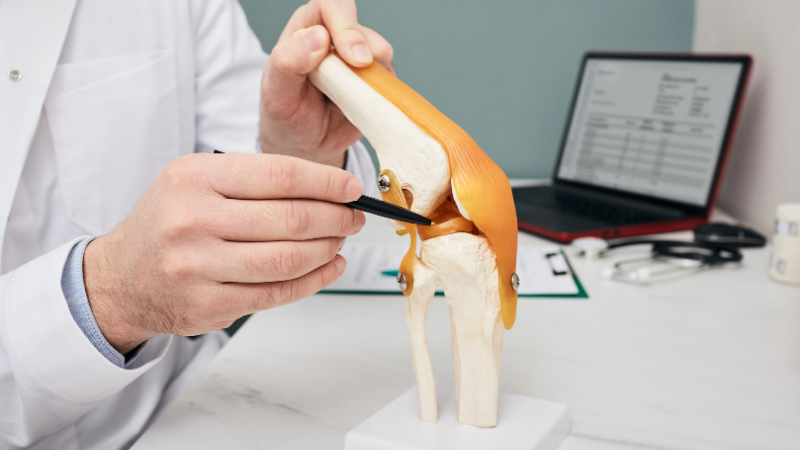
What Is a Meniscus Tear? Diagnosis and Treatment Process
Introduction A meniscus tear is an injury caused by damage to the cartilage discs in the knee joint. It typically occurs as a result of sudden movements, strenuous sports activities, or age-related cartilage wear. Meniscus tears manifest with symptoms such as knee pain, swelling, limited mobility, and catching in the knee.
Symptoms of a Meniscus Tear
- Pain and Swelling: Pain and edema may develop in the knee after a tear.
- Difficulty Moving: Restricted movement, locking, or difficulty bending the knee may be experienced.
- Popping Sounds: A popping sound or catching sensation may be felt or heard when moving the knee.
- Locking: Meniscus tears can cause the knee to become locked in a specific position.
Types of Meniscus Tears
- Vertical Tears: These are vertical tears that generally originate from the center of the meniscus.
- Longitudinal Tears: These are tears extending from the edge of the meniscus toward the center.
- Transverse Tears: Rather than being perpendicular to the articular surface, these tears extend from the center outward.
Diagnostic Process
The diagnosis of a meniscus tear usually begins with a physician examination. During the physical exam, the doctor evaluates the patient's knee using various maneuvers. Imaging methods such as MRI are generally used to confirm the diagnosis. In some cases, arthroscopic examination may be required.
Treatment Methods
Treatment for meniscus tears varies depending on the type and size of the tear and the patient's general health status. Common treatment methods include:
- Non-Surgical Treatments: Tears can be managed with the RICE (Rest, Ice, Compression, Elevation) protocol, such as rest, ice application, elastic bandage use, and elevating the knee. Small tears can generally heal with these methods.
- Surgical Treatment: In cases where the tear cannot heal, arthroscopic surgery may be recommended. These surgeries generally involve procedures such as removing the torn part of the meniscus (meniscectomy) or suturing the tear. Meniscus repair is performed in areas close to the joint capsule and is preferred for tears with high healing potential.
- Meniscus Transplantation: Meniscus transplantation may be considered for severe tears. This procedure involves replacing the damaged meniscus with a healthy meniscus taken from a donor. It can be applied particularly in young and active individuals, and the recovery process includes physical therapy and regular follow-ups.
Conclusion
Meniscus tears can be managed with accurate diagnosis and treatment, allowing patients in most cases to regain their daily quality of life. During and after the treatment process, adhering to the rehabilitation programs and exercises recommended by the doctor is important for the complete recovery of knee functions.
In this article, we provided general information about meniscus tears. For more detailed information and a personalized treatment plan, consulting an orthopedic specialist is recommended.