


Osteotomy surgery: find answers to all your questions about this procedure in this article. Learn comprehensive information about osteotomy, including who it is for, how it is performed, the recovery process, and answers to frequently asked questions.
Everything You Need to Know About Osteotomy Surgery
Osteotomy surgery is a surgical procedure that aims to improve joint function by cutting and realigning bones. It is especially preferred in patients with deformities, osteoarthritis, or load distribution disorders in joints such as the knee, hip, and ankle. In this article, you will find detailed information about what osteotomy surgery is, who it is performed on, how it is done, and the recovery process.
What Is Osteotomy?
Osteotomy is derived from the Greek words "osteon" (bone) and "tomia" (to cut). In this surgical procedure, a controlled cut is made in the bone to realign or reshape it. The goal is to correct load distribution across the joint, relieve pain, and improve joint function.
In Which Cases Is Osteotomy Performed?
-
Osteoarthritis (joint degeneration)
-
Knee or hip deformity (malalignment)
-
Joint injuries
-
Aseptic necrosis
-
Rheumatoid arthritis
Who Can Undergo Osteotomy Surgery?
Osteotomy surgery is especially preferred in young and active individuals to delay or avoid joint replacement surgery.
Suitable Patient Profile for Osteotomy
-
Being under 60 years old and having an active lifestyle
-
Having osteoarthritis confined to only the inner or outer compartment of the knee
-
Having a knee range of motion of at least 0-90 degrees
-
Having strong muscles around the knee
How Is Osteotomy Surgery Performed?
Osteotomy surgery is generally performed under general anesthesia. The surgical procedure and technique vary depending on the area to be treated and the degree of deformity.
High Tibial Osteotomy (HTO)
It is the most commonly performed type of osteotomy and is preferred for osteoarthritis of the inner part of the knee. A cut is made in the tibia bone to realign the bone, which is then fixed with plate and screw systems.
Advantages and Disadvantages of Osteotomy Surgery
Advantages
-
Preservation of the natural joint
-
Pain reduction
-
Improvement of joint function
-
Delaying joint replacement surgery
Disadvantages
-
Long recovery process (usually 3-6 months)
-
Risk of complications (infection, nerve damage, etc.)
-
Possibility that postoperative pain may not completely resolve
-
Requirement for physical therapy and rehabilitation
Recovery Process After Osteotomy Surgery
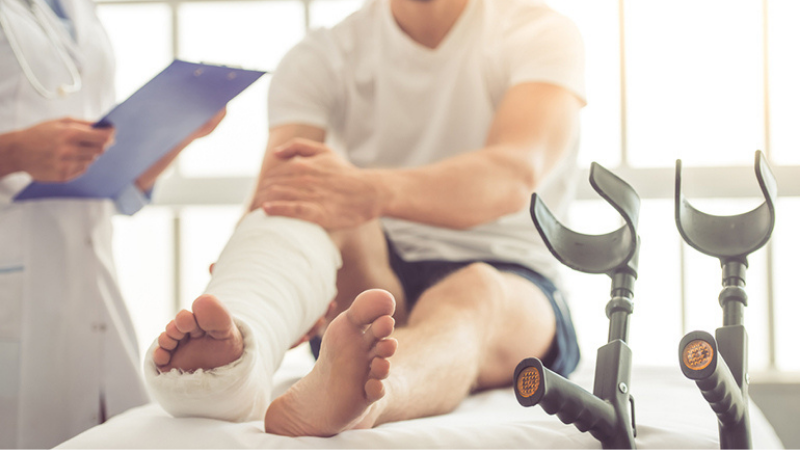
The postoperative recovery process depends on factors such as the patient's general health condition, the extent of the surgery, and the technique applied. Generally, patients start walking using crutches or a cane in the first days after surgery. Full recovery can take between 3 and 6 months.
Rehabilitation and Physical Therapy
Physical therapy and rehabilitation programs are essential for regaining muscle strength and increasing joint range of motion.
Frequently Asked Questions (FAQ)
When can I walk after osteotomy surgery?
Walking can usually begin in the first few days after surgery with the help of crutches or a cane. The timing for full weight-bearing varies depending on the doctor's recommendation.
Can osteotomy be performed on both of my knees at the same time?
The procedure is usually performed on one knee at a time. If there is a problem in both knees, the surgeries are generally carried out with a certain interval between them.
How long does pain last after surgery?
Pain may be more pronounced during the first weeks following surgery. It subsides over time and can be managed effectively with the physical therapy process.
Can I do sports after osteotomy surgery?
After full recovery is achieved and your doctor gives approval, low-impact sports can be practiced. Returning to high-impact sports depends on an individual evaluation.
Is there a risk that the surgery may fail?
As with any surgical procedure, there are certain risks associated with osteotomy surgery. However, with an experienced surgeon and appropriate patient selection, the success rate is high.
Conclusion
Osteotomy surgery is an effective treatment option, especially for young and active individuals, aimed at preserving joint health and delaying joint replacement surgery. Successful outcomes can be achieved through proper patient selection, an experienced surgeon, and a regular rehabilitation process.
More Information and Contact
To learn more about osteotomy surgery, find answers to your questions, or receive specialist support, you can visit our home page and reach out via our contact page. Also, don't forget to follow our Instagram account to access up-to-date information and stay connected with us.