


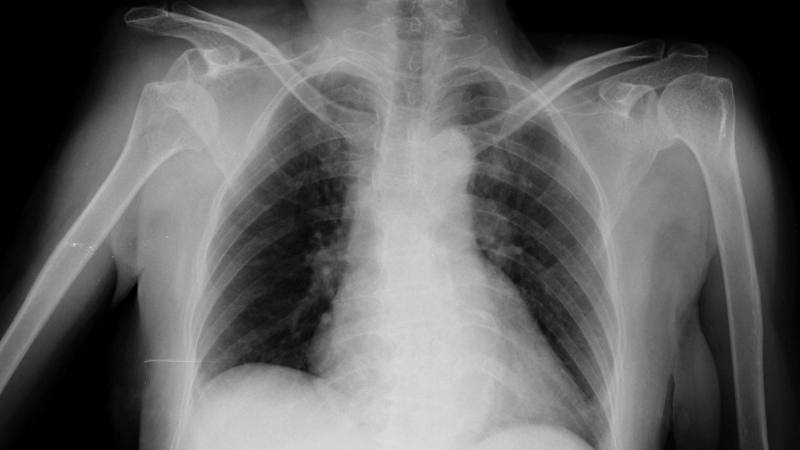
Shoulder Dislocation Surgery: Symptoms, Causes, and Treatment Process
Shoulder dislocation surgery is a surgical procedure performed to prevent recurrent dislocations and restore shoulder stability. In this article, you will find comprehensive information about the symptoms, causes, surgical process, and recovery period of shoulder dislocation.
Introduction
A shoulder dislocation is a serious injury that occurs when the shoulder joint slips out of place. This condition can lead to problems such as recurrent dislocations and chronic pain. Especially in young and active individuals, shoulder dislocation surgery is an important treatment option to ensure shoulder stability and improve quality of life.
What Is a Shoulder Dislocation?
A shoulder dislocation is a condition in which the humerus (upper arm bone) slips out of the glenoid socket in the shoulder joint. This dislocation usually occurs as a result of falls, direct impacts, or sudden movements. A shoulder dislocation can occur anteriorly, posteriorly, or inferiorly; however, anterior shoulder dislocation is the most common.
Symptoms of Shoulder Dislocation
Symptoms of a shoulder dislocation include:
-
Severe shoulder pain
-
Deformity of the shoulder
-
Inability to move the arm
-
Swelling and bruising in the shoulder
-
Numbness and tingling in the arm or hand
These symptoms indicate the severity of the shoulder dislocation and require urgent medical attention.
What Causes Shoulder Dislocation?
The primary causes of shoulder dislocation include:
-
Trauma: Falls, direct impacts, or sudden blows
-
Sports Injuries: Especially contact sports (soccer, basketball, wrestling)
-
Genetic Factors: Laxity of connective tissues
-
Previous Dislocations: Having had a prior shoulder dislocation
These factors increase the risk of shoulder dislocation and can lead to recurrent dislocations.
When Is Shoulder Dislocation Surgery Necessary?
Shoulder dislocation surgery is recommended in the following cases:
-
Recurrent Shoulder Dislocations: Especially in young and active individuals
-
Labrum Tears: Tearing of the labrum that stabilizes the shoulder joint
-
Shoulder Instability: The shoulder constantly tending to slip out of place
-
Unresponsiveness to Physical Therapy: Failure of conservative treatment methods
In these cases, surgical intervention is the most effective method to achieve shoulder stability.
Types of Shoulder Dislocation Surgery
Arthroscopic Shoulder Surgery
Arthroscopic surgery is a minimally invasive type of surgery performed by entering the shoulder joint through small incisions. In this method, damaged tissues are repaired using a camera and specialized surgical instruments. The advantages of arthroscopic surgery include:
-
Smaller incisions
-
Less pain
-
Faster recovery
-
Shorter hospital stay
Open Shoulder Surgery
Open surgery is a type of surgery performed by making a larger incision into the shoulder joint. This method is preferred in cases where arthroscopic surgery is not suitable. The advantages of open surgery include:
-
Wider field of vision
-
More effective intervention in complex cases
-
Suitability for extensive repairs
Recovery Process After Shoulder Dislocation Surgery
The post-surgery recovery process varies depending on the patient's general health status and the type of surgery. In general:
-
First 4-6 Weeks: Shoulder sling use and rest
-
6-12 Weeks: Physical therapy and rehabilitation process
-
3-6 Months: Return to daily activities
-
6-12 Months: Return to sports activities
During this process, following the doctor's recommendations and undergoing regular physical therapy accelerates the recovery process.
Risks of Shoulder Dislocation Surgery
As with any surgical intervention, shoulder dislocation surgery carries certain risks:
-
Infection
-
Bleeding
-
Nerve or vascular damage
-
Joint stiffness
-
Postoperative pain
-
Risk of recurrent dislocation
These risks are minimized in surgeries performed by experienced surgeons.
Physical Therapy After Shoulder Dislocation Surgery
Physical therapy is an important part of the postoperative recovery process. The physical therapy program involves:
-
Increasing Range of Motion: Restoring the mobility of the shoulder joint
-
Muscle Strengthening: Strengthening the muscles around the shoulder
-
Pain Management: Reducing postoperative pain
Regular physical therapy increases shoulder stability and reduces the risk of recurrent dislocations.
Points to Consider After Shoulder Dislocation Surgery
Things to consider after surgery:
-
Using the shoulder sling for the duration recommended by the doctor
-
Regular participation in the physical therapy program
-
Avoiding heavy lifting and sudden movements
-
Obtaining doctor approval before returning to sports activities
These precautions positively influence the recovery process.
Frequently Asked Questions About Shoulder Dislocation Surgery
How long does shoulder dislocation surgery take?
Shoulder dislocation surgery generally takes 1-2 hours.
When can I return to work after surgery?
The return-to-work timeline depends on the physical requirements of the job; returning to work is generally possible within 4-6 weeks.
Can my shoulder dislocate again after surgery?
The risk of recurrent dislocation after surgery is low; however, the risk is not completely eliminated.
How long does physical therapy take?
The duration of physical therapy varies depending on the patient's condition; it usually lasts 6-12 weeks.
Conclusion
Shoulder dislocation surgery is an effective treatment method to prevent recurrent shoulder dislocations and provide shoulder stability. Regular physical therapy after surgery and adherence to your doctor's recommendations accelerate the healing process and increase quality of life.
To get more information about your shoulder health or for expert support, you can visit our homepage, and easily reach us through our contact page . For up-to-date health content and informative posts, don't forget to follow our Instagram account as well!