


Blog
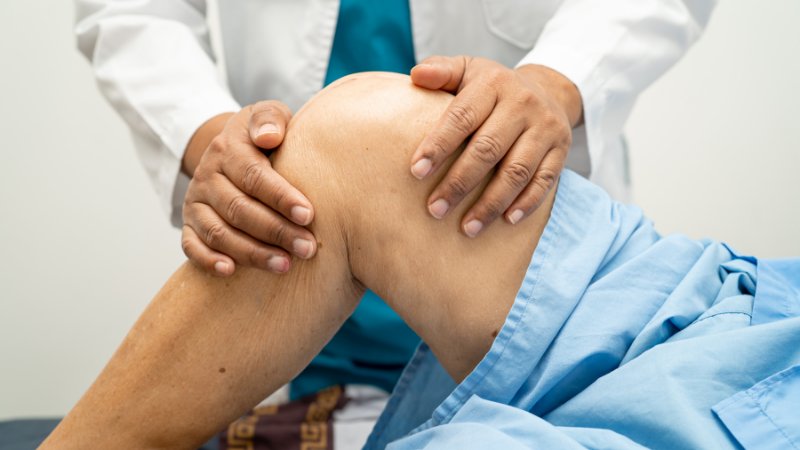
At What Age Is Knee Replacement Performed?
Knee health is one of the cornerstones of quality of life. Our ability to carry out our daily lives with ease depends on the health of our knee joint. However, over time or following certain conditions, severe wear, osteoarthritis, and damage can occur in the knee joint. In these cases, knee replacement becomes an important option to regain quality of life.
Knee replacement surgery is often associated with a specific age range, but in reality, this decision depends much more on the severity of knee damage and the impact of symptoms on quality of life than on the patient's age.
At What Ages Is Knee Replacement Performed?
Traditionally, knee replacement surgery is performed more frequently in individuals aged 50 and older. The reason for this is that degenerative conditions such as osteoarthritis are more common in this age group. However, this is not an absolute rule.
Today, knee replacements are also performed at younger ages, particularly due to sports injuries, autoimmune diseases such as rheumatoid arthritis, or traumatic knee injuries.
The Need for Knee Replacement at Age 50 and Over
Over the age of 50, structural deterioration and pain in the knee joint severely restrict patients' daily activities. In patients in this age group, knee replacement often dramatically improves quality of life.
Knee Replacement at a Young Age: Is It Possible? Advantages and Risks
Knee replacement procedures at a young age have been increasing in recent years. However, the lifespan of the prosthesis must be taken into account here. On average, a knee prosthesis lasts 15-20 years. In younger patients, a second surgery (revision surgery) may be required after this period. Therefore, making long-term plans when deciding on a knee replacement is crucial.
Is Age the Only Factor for Knee Replacement?
When deciding whether to perform knee replacement on a patient, age is not the only factor considered. The degree of joint damage, limitation of movement, severity of pain, and the patient's quality of life are all taken into account.
Osteoarthritis and Wear in the Knee: The Age Factor
As age advances, wear and osteoarthritis naturally begin in the knee joints. This reduces mobility and causes pain. This condition becomes especially pronounced in advanced age.
The Need for Knee Replacement in Rheumatic Diseases
Diseases such as rheumatoid arthritis can damage the articular tissues, causing early damage to the knee joint. In such cases, patients may require a knee replacement even in their 30s or 40s.
What Should Patients with a Knee Replacement at a Young Age Consider?
When a knee replacement is performed at a young age, the lifespan of the prosthesis and whether a second surgery will be needed in the future are of great importance.
Risks of a Second Surgery in Young Patients
Because younger patients are more active, the prosthesis may wear out more quickly. This may require revision—that is, replacement—of the prosthesis.
Points to Consider When Living with a Prosthesis
To extend the lifespan of the prosthesis, avoiding excessive stress, doing the exercises recommended by the doctor, and keeping body weight under control are very important.
Recovery Process After Knee Replacement Surgery
The recovery process after knee replacement surgery varies depending on age, the patient's overall health status, and the rehabilitation program.
Recovery Differences by Age Group
While younger patients generally recover more quickly, recovery in older individuals may take slightly longer. However, with an appropriate physical therapy program, the impact of age can be minimized.
Is It Possible to Recover Faster with Physical Therapy?
Yes, with an appropriate physical therapy program, muscles are strengthened and joint mobility is increased. This helps prolong the lifespan of the prosthesis and allows the patient to lead a more comfortable life.
Conclusion
The decision to undergo knee replacement surgery is not based on age alone. Many factors, such as joint damage, the patient's quality of life, pain levels, and overall health status, must be evaluated together. Following a comprehensive evaluation by an orthopedic surgeon, the most appropriate decision is made for the patient.
Taking the right steps for your knee health is essential for leading a more comfortable life in the future.
Start taking the right steps for your knee health today! Our specialist team is here to offer you the most suitable treatment options and enhance your quality of life. For questions or detailed information, contact us immediately. Healthy steps await you!