


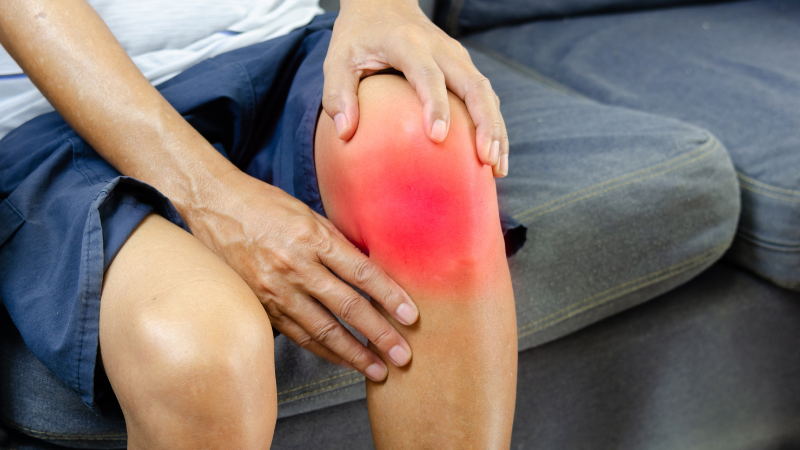
Knee replacement surgery is often performed to regain pain-free mobility. However, experiencing leg pain during the postoperative period is completely normal. While this pain can be part of the healing process, it can sometimes also be a sign of a more serious condition. In this article, we explain in detail the causes of leg pain after knee replacement surgery, when to be concerned, and what you can do to get through this process comfortably.
What Causes Leg Pain After Knee Replacement?
Discover the causes of leg pain after knee replacement surgery, the recovery process, and things to consider in this article.
Natural Healing Process After Surgical Intervention
Surgery is a major surgical procedure. Tissues, bones, and nerves are affected during this process. This makes the occurrence of leg pain in the postoperative period natural.
Muscle and Nerve Sensitivity
Muscles and nerves are manipulated during surgery. This can sometimes cause nerve irritation or intramuscular edema, leading to pain.
Tissue Adaptation Process Around the Prosthesis
It takes time for the artificial prosthesis to adapt to the body. Leg pain may be felt during this adaptation process due to the body's natural response.
Incorrect Prosthesis Placement or Mechanical Issues
Although rare, problems with the placement of the prosthesis can cause pain. Mechanical misalignments can be the source of long-term pain.
When Does Leg Pain Subside After Knee Replacement?
Expected Pain Within the First Week
Swelling, bruising, and pain in the leg are normal during the first week after surgery. Pain should be kept under control during this period.
Suture Removal and Pain Reduction After 2-3 Weeks
During this period, stitches are removed and recovery accelerates. Pain should also decrease significantly.
Increased Mobility After 4-6 Weeks
Along with regular physical therapy, pain is expected to decrease significantly during this period.
Is Leg Pain Normal After Knee Replacement?
Pain Decreasing Over Time
The gradual reduction and resolution of pain over time is part of the normal healing process.
Gradual Increase in Mobility
An increase in knee function is an indicator of recovery. Pain naturally decreases during this process.
Positive Response to Physical Therapy
If the patient feels better during physical therapy, this indicates that the pain is part of a natural process.
How Does Leg Pain Go Away After Knee Replacement?
Regular Physical Therapy
Daily exercises and professional physical therapy applications support recovery.
Medication Use (Under Doctor's Supervision)
Painkillers and anti-inflammatory medications can be used to keep pain under control.
Alternative Treatment Methods: Cold Applications, Support Products
Supportive equipment such as cold compresses and knee braces can be used.
How Long Does Leg Pain Last After Knee Replacement?
First 24 Hours After Surgery
During this period, painkillers are used to keep pain under control.
First 2-3 Weeks
This is the period when pain gradually decreases.
After 4-6 Weeks
👉 This is the period when physical recovery is largely complete and pain decreases to a minimum.
What Exercises Should Be Done for Leg Pain After Knee Replacement?
Low-Impact Exercises
Exercises that do not strain the joint, such as stationary cycling and swimming, are recommended.
Physical Therapy Programs
Movements performed under the guidance of a specialist accelerate recovery.
Daily Walks
Short but regular walks protect the health of muscles and joints.
Which Medications Are Used for Leg Pain After Knee Replacement?
Painkillers
Paracetamol or non-steroidal anti-inflammatory drugs (NSAIDs)
Anti-inflammatory Drugs
👉 Supports healing by reducing tissue swelling.
Muscle Relaxants
Reduces pain caused by muscle spasms.
When to Consult a Doctor for Leg Pain After Knee Replacement?
Severe, Persistent, or Increasing Pain
Unexpected severe pain should be reported to the doctor immediately.
Signs of Infection Such as Swelling, Redness, and Heat
These symptoms may indicate an infection.
Suspected Prosthesis Displacement or Loosening
If movement restriction or an increase in pain is observed, medical intervention is required.
What Should Be Done for Leg Pain After Knee Replacement?
Following the Doctor's Recommendations
The treatment plan must be strictly adhered to.
Regular Check-ups
Even if everything is going well, check-ups should not be neglected.
Continuing Exercise and Physical Therapy
👉 Regular physical activity supports recovery.
Which Treatment Methods Are Used for Leg Pain After Knee Replacement?
Physical Therapy
👉 Essential for regaining mobility.
Medication Therapy
👉 Reduces pain and swelling.
Alternative Treatment Methods
Supportive therapies such as acupuncture and cold applications can be applied.
Conclusion:
Leg pain after knee replacement surgery is usually a part of the healing process. However, severe or persistent pain certainly requires professional support. For a healthy recovery, following doctor recommendations, continuing physical therapy, and carefully monitoring symptoms are of great importance.
Frequently Asked Questions (FAQ)
How long does pain last after knee replacement? Postoperative pain usually decreases significantly within 6-12 weeks.
Does knee revision surgery relieve pain? If there is a problem with the existing prosthesis, replacement can relieve the pain.
What exercises can be done to reduce pain? Regular walking, cycling, and low-impact exercises are recommended.
Contact Us!
Would you like to get more information about your health, meet with our expert team, or review our services? You can visit our Home Page or reach us via our Contact Page!