


Blog
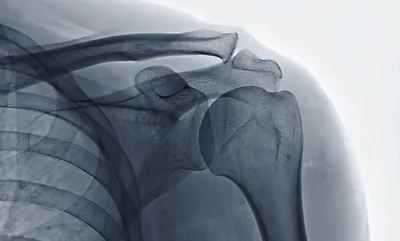
A comprehensive guide on the proper steps to take and treatment methods in case of a shoulder fracture.
What should you do when you experience a shoulder fracture? Everything you need to know about shoulder fractures is in this guide, including first aid, treatment options, the recovery process, and frequently asked questions.
Introduction:
A shoulder fracture is an injury that can seriously affect daily life. It can occur as a result of falls, impacts, or accidents. In this article, we will discuss in detail what to do in case of a shoulder fracture, treatment methods, and the recovery process.
What Is a Shoulder Fracture and How Does It Occur?
Definition of a Shoulder Fracture
A shoulder fracture is a disruption of the integrity of the bones in the shoulder region. It is usually seen as fractures of the upper arm bone (humerus), collarbone (clavicle), or shoulder blade (scapula).
Causes of Shoulder Fractures
-
Falls from height
-
Traffic accidents
-
Sports injuries
-
Direct trauma
What Are the Symptoms of a Shoulder Fracture?
Physical Symptoms
-
Severe shoulder pain
-
Swelling and bruising
-
Limited mobility
-
Deformity or visible distortion
Other Symptoms
-
Cracking sound in the shoulder
-
Numbness or tingling
-
Muscle spasms
How Should First Aid Be Administered for a Shoulder Fracture?
First Response Steps
-
Calm the person and prevent them from moving.
-
Use a sling or cloth to immobilize the shoulder.
-
Apply a cold compress to reduce swelling.
-
Call for emergency medical assistance or apply to the nearest healthcare facility.
Mistakes to Avoid
-
Attempting to force the shoulder back into place
-
Massaging the fractured area
-
Trying to make the person move on their own
How Is a Shoulder Fracture Diagnosed?
Physical Examination and Patient History
The doctor listens to the patient's complaints and physically examines the shoulder region.
Imaging Methods
-
X-ray (Radiography)
-
Magnetic Resonance Imaging (MRI)
-
Computed Tomography (CT)
-
Ultrasonography
What Are Shoulder Fracture Treatment Methods?
Non-Surgical Treatment
-
Rest and shoulder immobilization
-
Pain relievers and anti-inflammatory medications
-
Physical therapy and rehabilitation
Surgical Intervention
-
Open Reduction and Internal Fixation (ORIF)
-
Closed Reduction
-
Shoulder arthroscopy
Shoulder Fracture Recovery Process and Rehabilitation
Recovery Time
The recovery time for a shoulder fracture varies depending on the severity of the fracture and the treatment method. It usually lasts between 6 and 12 weeks.
Rehabilitation Exercises
-
Exercises that increase shoulder range of motion
-
Muscle-strengthening exercises
Points to Consider After a Shoulder Fracture
Precautions in Daily Life
-
Avoid heavy lifting
-
Avoid sudden movements
-
Adhere to the exercise program recommended by the doctor
ChatGP
Nutrition and Supplement Recommendations
Proper nutrition is essential to speed up recovery after a shoulder fracture. To support bone health, attention should be paid to the following nutrients:
-
Calcium: Foods rich in calcium such as milk, yogurt, cheese, almonds, and broccoli should be consumed.
-
Vitamin D: Sunlight is the most natural source. It can also be obtained from foods such as salmon, tuna, and eggs.
-
Protein: Protein sources such as red meat, chicken, eggs, and legumes should be consumed for the repair and strengthening of muscle tissue.
-
Magnesium and zinc: Found in nuts, grains, and green leafy vegetables; they support bone repair.
If necessary, multivitamin and mineral supplements may also be taken upon a doctor's recommendation.
Common Mistakes After a Shoulder Fracture
Being Impatient
The healing process may take time. Starting physical activity prematurely can cause re-fractures or additional damage.
Neglecting Physical Therapy
Many people discontinue physical therapy once the pain decreases. However, regular exercise is essential for muscles to return to their former function and to fully regain shoulder mobility.
Performing Incorrect Exercises
Exercises performed without the supervision of a doctor or physical therapist can harm the recovery process. Each exercise must be planned specifically for the individual's condition.
Frequently Asked Questions (FAQ) About Shoulder Fractures
How many weeks does a shoulder fracture take to heal?
Although it varies depending on the type of fracture, it generally heals within 6 to 12 weeks. In complicated fractures, this period may be extended.
Can a shoulder fracture heal without surgery?
Yes, mild and non-displaced fractures can often be treated without surgery. Immobilization and physical therapy may be sufficient.
When does physical therapy start for a shoulder fracture?
It usually begins after the 3rd or 4th week with gentle exercises. However, this process may vary depending on the individual's general health condition.
Is heat or cold better for a shoulder fracture?
Cold compresses are recommended for the first few days. Later, during the recovery period, warm applications can be used to relax muscles.
Conclusion:
A shoulder fracture is a serious condition, but one that can heal completely with the right approach. With a treatment process conducted under a doctor's supervision starting from the initial intervention, pain can be brought under control and you can return to your former healthy days sooner. Remember, every fracture is unique and must be evaluated on an individual basis. Rather than trying to treat it yourself, it is best to consult an orthopedic specialist.
Stay Tuned with Us
To learn more about shoulder fractures and other orthopedic conditions, and to access up-to-date health content, you can visit our Home Page.
To contact our specialist doctors, make an appointment, or find answers to your questions, you can connect with us right away through our Contact Page. Your health matters to us; we are by your side at every step!