


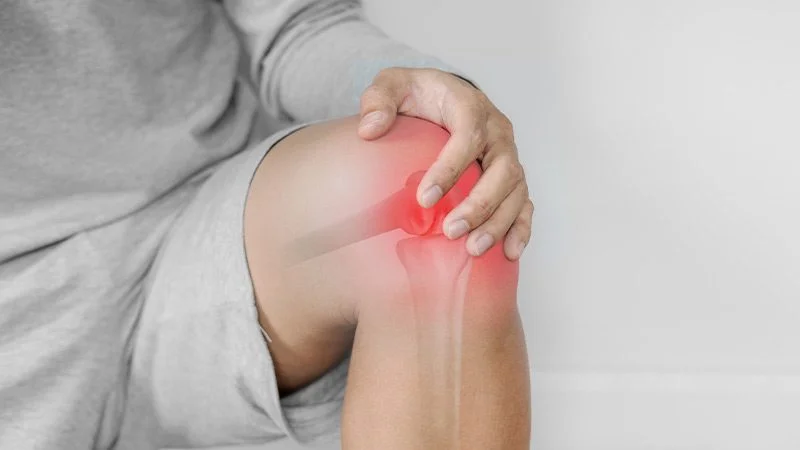
Knee pain is a common health problem that can occur from a young age and reduce quality of life over time. This pain can range from mild discomfort to severe joint conditions. In this guide, we discuss in detail the causes, treatment options, and frequently asked questions regarding knee pain that can disrupt daily activities.
What Causes Knee Pain?
Many different causes can underlie knee pain. Identifying these causes plays a critical role in determining the right treatment and prevention methods.
Trauma and Injuries
Situations such as falls during sports, impacts, or knee sprains lead to trauma-related knee pain. Serious athletic injuries such as anterior cruciate ligament (ACL) tears and meniscus tears are among the most common causes of knee pain.
Osteoarthritis and Types of Arthritis
Cartilage loss can occur in the knee joints with age. Osteoarthritis is the most common joint condition and leads to severe knee pain over time. Inflammatory autoimmune diseases such as rheumatoid arthritis can also damage the knee joint.
What Are the Symptoms of Knee Pain?
Symptoms may vary depending on the type of knee pain. However, certain fundamental symptoms are common and should be monitored carefully.
Swelling and Stiffness
Swelling in the knee usually results from fluid accumulation within the joint. Stiffness, on the other hand, can lead to a limited range of motion.
Pain and Tenderness
Pain that increases with movement or is felt even in stationary positions is the most prominent symptom. Particular attention should be paid if the pain intensifies especially when climbing stairs or squatting.
Popping Sounds and Loss of Balance
Cracking or clicking sounds when moving the knee, or a feeling of the knee giving way, also indicates an impairment in knee health.
My Knee Hurts, What Should I Do?
It is possible to keep knee pain under control with simple yet effective methods that can be applied at home.
The RICE Protocol
-
Rest: The load on the knee joint needs to be reduced.
-
Ice: Applying ice for 15-20 minutes several times a day reduces swelling.
-
Compression: It can be firmly wrapped with elastic bandages.
-
Elevation: Raising the knee above heart level reduces swelling.
Consulting a Doctor for Persistent Pain
If the pain lasts for more than a week and increases in severity, an orthopedics or physical therapy specialist must be consulted.
What Relieves Knee Pain?
Knee pain can be alleviated through natural methods and regular lifestyle modifications.
Herbal Oils and Natural Supplements
Natural anti-inflammatory substances such as ginger and turmeric can help reduce pain. Likewise, gentle massages with peppermint and eucalyptus oils can also provide relief.
Physical Activity and Exercise
Strengthening the muscles around the knee reduces pressure on the joint. Low-impact exercises, swimming, and walking in particular are recommended.
Which Exercises Can Be Done for Knee Pain?
Exercise is one of the most important protective practices for knee health. However, it must be performed using proper technique and without causing pain.
Quadriceps Strengthening
Exercises performed by extending the leg straight and holding it for a short time work the muscles on the front of the knee.
Calf and Thigh Stretching
Standing stretching exercises increase muscle flexibility and balance the load on the knee.
Water Exercises and Low-Impact Movements
With activities that do not strain the joint, such as swimming and water walking, knee muscles are strengthened while the load on the joint is minimized.
Which Doctor Should You See for Knee Pain?
Medical specialties you should consult when experiencing knee pain:
Orthopedics and Traumatology
Specializes in the diagnosis and treatment of bone and joint disorders.
Physical Medicine and Rehabilitation
Provides holistic treatment aimed at relieving pain and improving musculoskeletal health.
Rheumatology
Offers specialized diagnosis and treatment for knee pain of rheumatic origin.
When Should Knee Pain Be Taken Seriously?
Certain conditions require emergency medical attention. If the following symptoms are present, a healthcare institution should be consulted without delay:
-
Sudden, severe pain onset
-
Swelling and redness in the knee
-
Complete loss of mobility
-
Post-traumatic deformity
We Are Here for You!
If you would like to get more information about knee pain, access healthy living recommendations, or discuss our personalized solutions, you can easily reach us via our Contact Page.
If you wish, you can return to our Homepage to quickly browse all our content, updated health guides, and expert advice.
Let's move forward together towards a healthy life!