


In recent years, with increasing health awareness, vitamin D has become one of the most researched topics. In particular, keywords such as "vitamin D deficiency", "vitamin D supplementation", "immune system", and "bone health" rank high in internet searches. In this article, we will examine the most frequently asked questions about vitamin D in light of scientific data.
What Is Vitamin D and Why Is It Important?
Vitamin D is a fat-soluble vitamin that maintains calcium and phosphorus balance in the body, protecting bone and dental health while also supporting the immune system. Sunlight is the most important source for vitamin D synthesis. In addition, it can be obtained through certain foods and supplements.
Vitamin D Deficiency: Symptoms and Risks
Vitamin D deficiency is a common health problem worldwide. In case of deficiency, the following symptoms may be observed:
Common Symptoms
-
Bone and Muscle Pain: Vitamin D deficiency can cause pain in the bones and muscles.
-
Fatigue and Weakness: Low energy and feeling constantly fatigued are frequently experienced.
-
Weakened Immune System: The risk of catching frequent infections increases.
Long-Term Risks
-
Osteoporosis: With decreased bone density, the risk of fractures increases.
-
Heart Diseases: Vitamin D deficiency can increase the risk of cardiovascular diseases.
-
Depression: Low vitamin D levels have been associated with depression and anxiety.
Vitamin D Supplementation: When and How Should It Be Taken?
It is important to have a blood test to determine your vitamin D levels. In case of deficiency, you can take supplements upon your doctor's recommendation.
Dosage and Usage
-
Daily Intake: Generally, 600-800 IU daily is recommended for adults.
-
Supplement Choice: The D3 form (cholecalciferol) should be preferred.
-
Sunlight: Sunbathing for 10-30 minutes a few times a week supports vitamin D synthesis.
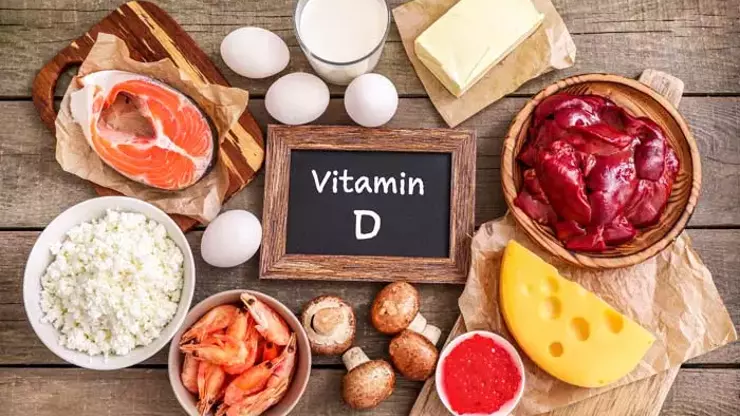
Foods Containing Vitamin D
Vitamin D is found naturally in certain foods or is added later.
Natural Sources
-
Fatty Fish: Salmon, sardines, tuna.
-
Egg Yolk: Rich in vitamin D.
-
Liver: Another important nutrient of animal origin.
Fortified Foods
-
Milk and Dairy Products: Some milk and yogurt varieties are fortified with vitamin D.
-
Cereals: Breakfast cereals and certain breads may have added vitamin D.
Vitamin D and the Immune System
Vitamin D plays an important role in the proper functioning of the immune system. Adequate levels of vitamin D protect the body against infections and regulate the immune response.
Recommendations to Prevent Vitamin D Deficiency
-
Regular Sun Exposure: Spend time outdoors on sunny days.
-
Balanced Nutrition: Include foods containing vitamin D in your diet.
-
Supplement Use: Take supplements in appropriate doses under a doctor's recommendation.
-
Blood Test: Have your vitamin D levels checked regularly.
Conclusion: Vitamin D Is Essential for a Healthy Life
Vitamin D is of vital importance in many areas, from bone health to the immune system. To prevent its deficiency, it is important to benefit from sunlight, maintain proper nutrition, and use supplements when necessary. Do not neglect your vitamin D levels for a healthy life.
To learn more about vitamin D, discover solutions with expert guidance, or get detailed information about our healthcare services, you can visit our Contact Page . Additionally, don't forget to check out our Homepage to browse our other informative content and take the right steps toward protecting your health!