


Blog
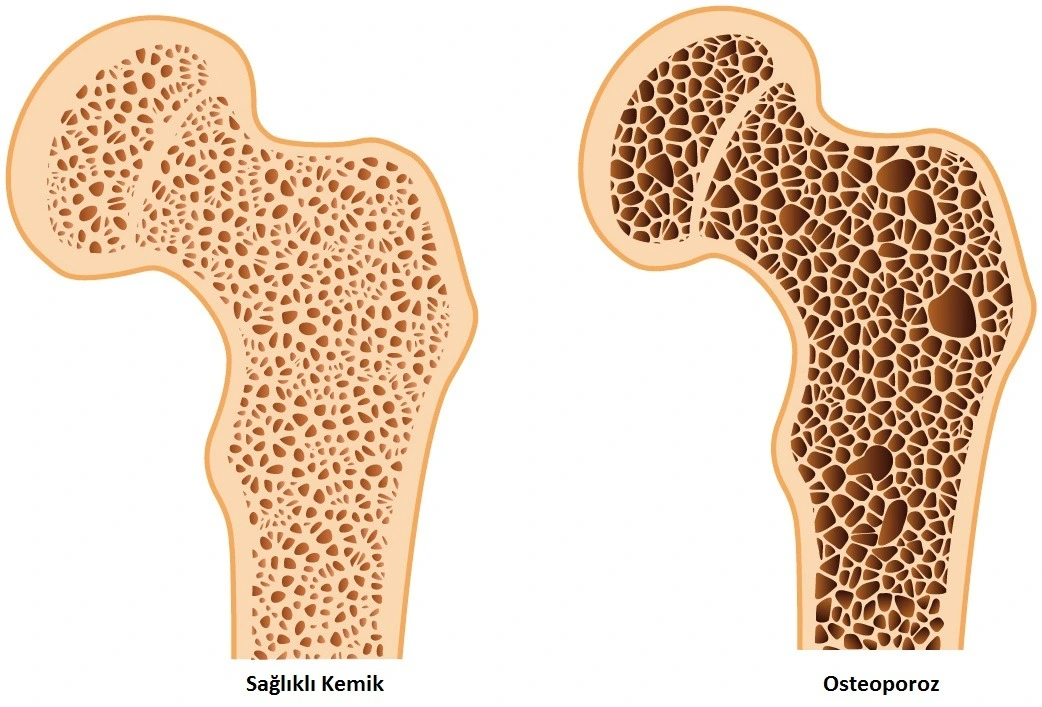
Osteoporosis, commonly known as "bone loss," is a skeletal disorder characterized by decreased bone density and weakening of bone tissue. This condition causes bones to become fragile and increases the risk of fractures. Prevalent worldwide, osteoporosis particularly affects postmenopausal women, but it can also cause significant health problems in men.
What Is Osteoporosis?
Medical Definition and Its Effects on Bone Structure
Osteoporosis is a disease characterized by increased bone fragility resulting from a decrease in bone mineral density and deterioration of bone microarchitecture. Bones are in a continuous process of breakdown and remodeling. However, as age advances, this balance is disrupted; bone resorption occurs faster than bone formation, leading to bone weakening.
Are Bone Loss and Osteoporosis the Same Thing?
Yes, the term "bone loss" is the colloquial equivalent of osteoporosis, and both refer to the same condition.
What Are the Symptoms of Osteoporosis?
Early Symptoms
Osteoporosis may not show any noticeable symptoms initially. For this reason, it is also called a "silent disease." In the early stages, the decrease in bone density usually goes unnoticed and is often detected incidentally during routine check-ups.
Signs of Advanced Osteoporosis
As the disease progresses, the following symptoms may occur:
- Back and lower back pain
- Loss of height
- Stooped posture (kyphosis)
- Bone fractures occurring even with minor impacts
Fractures of the spine, hip, and wrist in particular are the most common complications of osteoporosis.
What Causes Osteoporosis?
Genetic and Hormonal Factors
A family history of osteoporosis increases an individual's risk of developing this condition. A decline in estrogen levels in postmenopausal women and reduced testosterone levels in men are hormonal changes that negatively affect bone density.
Lifestyle Factors
Dietary habits, physical activity levels, and certain harmful habits influence the risk of osteoporosis:
- Nutrition: Inadequate calcium and vitamin D intake impairs bone health.
- Physical Activity: Lack of regular exercise leads to decreased bone density.
- Smoking and Alcohol Consumption: These habits adversely affect bone structure and increase the risk of osteoporosis.
How Is Osteoporosis Diagnosed?
Bone Density Measurement Tests (DEXA)
The most widely used method in diagnosing osteoporosis is the bone density measurement test known as Dual-Energy X-ray Absorptiometry (DEXA). This test helps determine the presence and severity of osteoporosis by measuring bone mineral density.
Risk Assessment Tools and Evaluation
Physicians evaluate factors such as patient medical history, family history, and lifestyle to determine the risk of osteoporosis. Additionally, blood and urine tests can provide valuable information about bone metabolism.
What Are the Treatment Methods for Osteoporosis?
Medical Treatments
The primary medications used in the treatment of osteoporosis are:
- Bisphosphonates: They increase bone density by reducing bone resorption.
- Selective Estrogen Receptor Modulators (SERMs): They reduce bone loss by exhibiting estrogen-like effects.
- Parathyroid Hormone (PTH) Analogues: They stimulate bone formation.
- Denosumab: A monoclonal antibody therapy that reduces bone resorption.
Herbal and Natural Approaches
Some individuals seek to support bone health with natural supplements such as calcium and vitamin D. However, because there is insufficient scientific evidence regarding the efficacy of herbal treatments, such approaches should be implemented under medical supervision.
Nutrition and Exercise Against Osteoporosis
Foods That Strengthen Bone Health
The following foods are recommended to support bone health:
- Milk and Dairy Products: They are rich sources of calcium.
- Leafy Green Vegetables: Vegetables like spinach and broccoli contain calcium.
- Fish: Salmon, sardines, and tuna are rich in both calcium and vitamin D. These foods play an important role in preserving bone health.
Nuts and Seeds:
Almonds, walnuts, and chia seeds are foods that contain minerals supporting bone health, such as magnesium and phosphorus.
Sources of Vitamin D:
Sunlight is the primary source of vitamin D. However, when sun exposure is insufficient, vitamin D supplementation may be necessary.
The Importance of Exercise and Physical Activity
Types of Exercise That Increase Bone Strength
- Weight-Bearing Exercises: Activities such as walking, jogging, and dancing increase bone density.
- Resistance Training: Workouts using dumbbells or body weight enhance muscle strength while benefiting bones.
- Balance and Flexibility Exercises: Activities like tai chi and yoga reduce the risk of falling, thereby minimizing fracture risk.
Developing an Exercise Routine
Practicing bone-friendly exercises for 30 minutes at least 3 days a week can both slow down existing bone loss and promote new bone formation.
Osteoporosis Risks for Women and Men
Osteoporosis in Women: Menopause and Bone Health
The decline in estrogen levels with menopause significantly increases the risk of osteoporosis in women. Therefore, regular bone scans after menopause are of vital importance.
Osteoporosis in Men: Men Must Also Be Vigilant
Although widely considered a women's disease in society, osteoporosis is also a serious issue in men. Men over the age of 70, in particular, should undergo regular check-ups with bone density measurements.
7 Golden Tips to Prevent Osteoporosis
- Consume a diet rich in calcium and vitamin D.
- Take advantage of sunlight.
- Limit smoking and alcohol consumption.
- Engage in bone-friendly exercises regularly.
- Maintain your ideal weight.
- Do not neglect your bone density tests.
- Do not use medications without a doctor's recommendation.
Conclusion: Be Aware of Osteoporosis, Take Precautions
What is osteoporosis? The question is no longer just a definition, but a direct warning concerning health. This silent progressive disease can be halted or slowed down when detected in time. Women and older adults in particular must be aware of the symptoms of osteoporosis and adopt lifestyle changes early. The strength of your bones is the cornerstone of your quality of life.
Frequently Asked Questions (FAQ)
At what age is osteoporosis most common?
It is generally seen at age 50 and above, and occurs more frequently in women, especially in the postmenopausal period.
Does osteoporosis cause pain?
Advanced conditions such as vertebral collapse can cause back pain.
Can osteoporosis be completely cured?
Although a complete cure is not possible, it can be kept under control with drug therapies and lifestyle changes.
Which vitamins should be taken for bone loss?
Vitamin D, vitamin K, and minerals such as magnesium are important for bone health.
How often should a bone density test be performed?
It is recommended to be done every 1 to 2 years for individuals in the risk group.
To protect your bone health and get more information about osteoporosis, do not hesitate to contact us.