


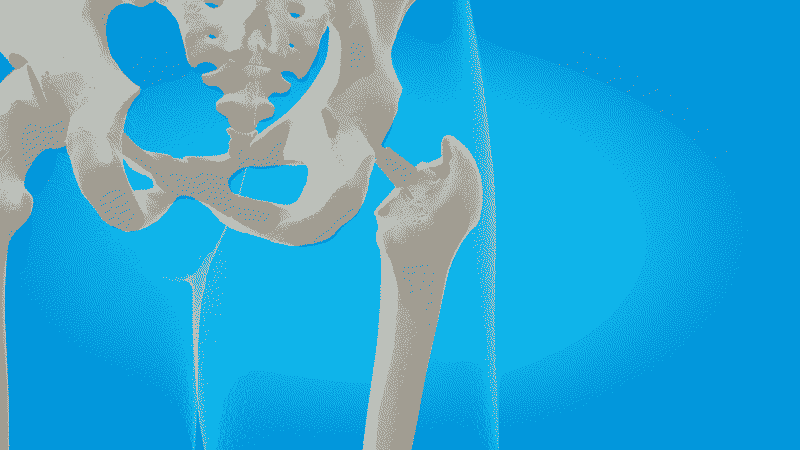
Hip Joint Anatomy and Function
The hip joint is one of the largest and strongest joints in the human body. Thanks to its ball-and-socket structure, it offers a wide range of motion. The femoral head is the rounded, ball-like structure at the top of the thigh bone. The acetabulum is the socket in the pelvic bone where the femoral head fits, providing joint stability. This structure forms the primary mechanism supporting everyday movements such as walking, running, and sitting.
The cartilage tissue in this complex structure reduces friction between the femoral head and the acetabulum, providing a smooth surface that allows comfortable and pain-free movement. The labrum, which surrounds the hip joint, is an essential structure that supports the joint, enhances joint stability, and enables a wide range of motion.
Hip Osteoarthritis
Hip osteoarthritis is a degenerative disease resulting from the breakdown of cartilage tissue in the joint due to aging, overuse, trauma, or genetic factors. In this condition, the smooth surface between the femoral head and the acetabulum is lost, and the bones begin to rub against each other.
The primary causes of osteoarthritis include:
- Aging: As age advances, cartilage naturally thins and becomes more susceptible to joint damage.
- Excess Weight: Excess weight increases the load on the hip, accelerating cartilage wear.
- Genetic Predisposition: Individuals with a family history of osteoarthritis are at higher risk.
- Trauma and Injuries: Past hip fractures or dislocations can increase the risk of osteoarthritis.
In advanced stages of osteoarthritis, deformation of the joint surface becomes more pronounced. This leads to serious problems such as limited mobility, severe pain, and difficulty performing daily activities.
Symptoms of Hip Osteoarthritis
The most common symptoms of hip osteoarthritis include:
- Pain: Initially felt only during movement, pain may persist even at rest in advanced stages.
- Restricted Mobility: Difficulty is observed especially when rotating the leg inward or outward.
- Limping: Limping begins as body weight is shifted to the opposite side to reduce pain.
- Muscle Weakness: Weakening of the muscles around the hip makes movement even more difficult.
In progressive stages, these symptoms can significantly affect an individual's daily activities, social life, and overall quality of life.
Diagnosis of Hip Osteoarthritis
The diagnosis of hip osteoarthritis involves both a physical examination and detailed imaging methods. The following steps are followed during the diagnostic process:
- Physical Examination: The physician assesses joint range of motion and areas of pain.
- X-ray: Narrowing of the joint space is an indicator of osteoarthritis. X-rays clearly reveal bone structure and deformities.
- MRI and CT: Detailed imaging methods evaluate cartilage damage on the joint surface and the condition of surrounding tissues.
- Blood Tests: Used particularly to distinguish inflammatory rheumatic diseases.
- Lumbar Spine Evaluation: Investigates whether hip pain originates from another issue, such as a lumbar herniated disc.
Early diagnosis plays a critical role in managing hip osteoarthritis. Therefore, it is important to consult a specialist when symptoms begin.
Treatment Methods for Hip Osteoarthritis
In the treatment of hip osteoarthritis, non-surgical methods are generally the preferred initial approach. These methods are applied to relieve the patient's pain, improve mobility, and slow the progression of osteoarthritis.
1. Weight Management
Reducing body weight relieves pain by reducing the load on the hip. Especially in overweight individuals, even a 5-10% weight loss can significantly help reduce pain.
2. Activity Modification
Avoiding movements that place excessive stress on the hip joint can reduce pain. This includes limiting activities such as squatting, heavy lifting, or prolonged standing.
3. Physical Therapy and Exercise
Physical therapy helps support the joint by increasing muscle strength. Flexibility and strengthening exercises recommended by physical therapists make daily activities easier. In particular, aquatic exercises and swimming improve mobility without putting excessive strain on the joint.
4. Medication Therapy
Non-steroidal anti-inflammatory drugs (NSAIDs) and pain relievers can be used to alleviate pain and control inflammation. However, these medications should be used under a physician's guidance and for a limited duration.
5. Intra-Articular Injections
PRP (platelet-rich plasma) and cortisone injections are frequently used methods in the treatment of hip osteoarthritis. While PRP helps joint tissues regenerate, cortisone reduces inflammation.
6. Assistive Devices
Devices such as canes or walkers relieve pain by reducing the load on the hip during movement. It should be kept in mind that a cane must be used in the hand on the unaffected side.
When Is Hip Joint Replacement Necessary?
If the desired results cannot be achieved after trying all non-surgical methods in the treatment of hip osteoarthritis, hip joint replacement surgery becomes an option. The following conditions influence the decision for surgery:
- Persistent pain despite medication and physical therapy
- Severe limitations in daily life activities
- Night pain and disrupted sleep patterns
- Advanced osteoarthritis visible on X-rays and other imaging techniques
Types of Hip Joint Replacements
The types of prostheses used in hip replacement surgery are selected based on the patient's age, overall health status, and activity level:
1. Total Hip Replacement
This is the most commonly preferred method. Both the femoral head and the acetabulum are replaced to create an entirely artificial joint.
2. Partial Hip Replacement
Involves replacing only the femoral head. It is generally preferred in elderly patients and cases of hip fractures.
3. Hip Resurfacing Surgery
A method performed in young and active patients. It offers an intermediate solution before a total replacement is required.
Surgical Process and Postoperative Recovery
Hip joint replacement surgery usually takes 1-2 hours. After surgery, the patient begins physical therapy promptly and is encouraged to walk with the aid of assistive devices starting from the first days.
Precautions to Consider:
- Sitting on low chairs or toilet seats should be avoided.
- Cross-legged sitting and crossing the legs should be avoided.
- A pillow should be placed between the legs while sleeping.
The recovery process ranges between 4-6 months, depending on the patient's age, overall health status, and pre-surgery physical activity level.
Conclusion: Protect Your Hip Health
Hip osteoarthritis is a condition that can be overcome with appropriate treatments and surgical approaches. Hip replacement surgery significantly improves patients' quality of life by providing a pain-free life and increased mobility. With high long-term success rates, this surgical method is a promising solution for patients wishing to maintain an active and healthy life.