


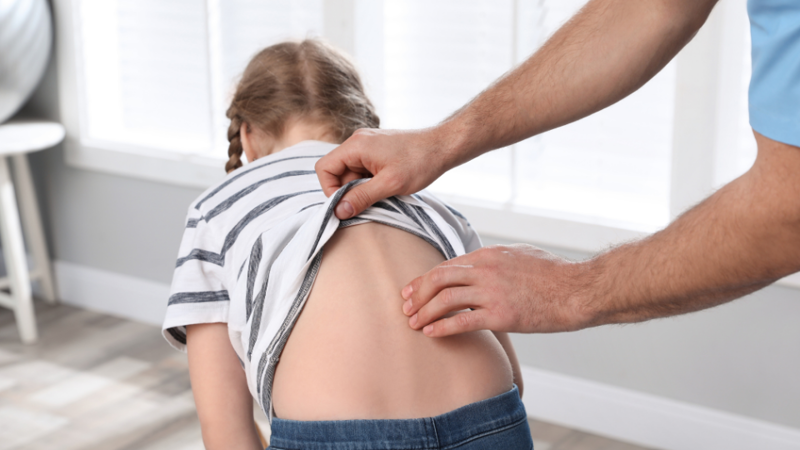
Scoliosis in Children: Symptoms, Treatment Methods, and Choosing the Right Doctor
Introduction: What Is Scoliosis and How Does It Affect Children?
Scoliosis is an abnormal sideways curvature of the spine. If scoliosis in children is not detected during the growth phase, it can progress and lead to serious postural deformities and health problems. In this article, we cover scoliosis symptoms in children, causes, the importance of exercise, treatment methods, and why consulting the right doctor is critical.
What Are the Symptoms of Scoliosis in Children?
Early diagnosis is vital in scoliosis management. Symptoms of scoliosis that families should watch for include:
- Uneven shoulder levels (one shoulder higher than the other)
- Asymmetry in the waistline or hip contour
- Noticeable curvature or alignment issues along the spine
- A visible hump or prominence in the back when the child bends forward
- Clothing that does not fit or hang evenly on the body
If you notice these signs, you should consult an orthopedic specialist without delay.
Causes of Scoliosis in Children
While the exact cause of scoliosis cannot always be determined, common causes include:
- Idiopathic Scoliosis: The most common type in children, with no clearly identified cause.
- Congenital Scoliosis: Caused by spinal development abnormalities formed in the womb.
- Neuromuscular Scoliosis: Develops as a result of nerve and muscle disorders (such as cerebral palsy).
- Genetic Predisposition: A family history of scoliosis can increase the risk.
Treatment Methods for Scoliosis in Children
1. Physical Therapy and Exercise
In cases diagnosed early, scoliosis exercises that support spinal health can be an effective treatment method. Exercises help strengthen muscles and enhance spinal stability.
- Schroth Therapy: A specialized physical therapy method developed specifically for scoliosis.
- Posture correction and flexibility-enhancing exercises.
2. Scoliosis Bracing
In advanced cases, the doctor may recommend a scoliosis brace to prevent the curve from progressing. Braces are particularly effective during growth periods. However, brace treatment requires regular follow-up under medical supervision.
3. Surgical Intervention
In cases where spinal curvature is severe, surgical intervention may be required. Surgery is performed to correct the curvature and stabilize the spine.
Which Doctor Should You Consult for Scoliosis in Children?
Choosing the right specialist is essential in scoliosis care.
- Orthopedics and Traumatology Specialists: The primary point of contact for scoliosis diagnosis and treatment.
- Physical medicine and rehabilitation specialists play an important role in scoliosis management.
- In advanced cases, patients may be referred to a doctor specializing in spine surgery.
Scoliosis Exercises and Movements
Simple exercises performed at home can help slow the progression of scoliosis. However, it is essential that these exercises are recommended by a physical therapist. Example exercises include:
- Spinal Stretching Exercises: Improve spinal mobility and flexibility.
- Side-Bending Exercises: Reduce imbalances caused by scoliosis.
- Posture Correcting Exercises: Help develop proper posture habits.
Can Scoliosis in Children Be Corrected?
When scoliosis in children is diagnosed early, it can be treated successfully with exercise, physical therapy, and surgical interventions when necessary. Interventions carried out especially during the growth phase contribute significantly to proper spinal development.
Conclusion: Early Diagnosis Saves Lives
Scoliosis in children is a treatable condition when recognized early. Parents should not ignore symptoms and should have their children checked regularly. With the right treatment method and expert medical support, your children can achieve a healthy spinal structure.