


Arm Fractures: Causes, Symptoms, and Treatment Methods
Arm fractures are among the most common orthopedic problems encountered after incidents such as falls, sports injuries, or traffic accidents. The severity of the fracture can vary depending on how the bone breaks and which bone is affected. In this article, we will examine the causes, symptoms, and treatment methods of arm fractures in detail.
What Are Arm Fractures?
An arm fracture refers to a break in the bones of the upper arm (humerus), forearm (radius and ulna), or elbow region. Arm fractures can present in many forms, ranging from a hairline crack to complicated fractures where the bones are completely displaced. Treatment options vary depending on the location and type of the fracture.
Common Causes of Arm Fractures
Arm fractures occur as a result of traumatic injury. Here are the most common causes:
-
Falls: Falling from a height or landing on outstretched hands is one of the most common causes of arm fractures. Especially in elderly individuals, the risk of fracture increases due to weakened bones following a fall.
-
Sports Injuries: Sports such as soccer, basketball, skiing, and cycling can lead to sudden impacts and falls. Awkward use of the arms during such activities can result in fractures.
-
Traffic Accidents: Motor vehicle accidents involve high-energy trauma that can cause severe arm fractures. The extent of bone damage is directly proportional to the force at the moment of impact.
-
Direct Blows: A direct, hard blow to the arm (such as being struck by an object) can also cause fractures.
Symptoms of Arm Fractures
Arm fractures are usually quite painful and manifest with various symptoms. If you experience any of the following symptoms, it is recommended that you seek immediate medical attention for the possibility of a fracture:
- Severe pain: Sudden, severe pain in the arm region is the most common symptom of a fracture.
- Swelling and bruising: Rapid swelling and bruising can occur at the fracture site. This results from damage to surrounding tissues and blood vessels.
- Restricted mobility: Difficulty moving the arm occurs especially because the fractured bone cannot perform its full function.
- Deformity: Abnormal bending or an altered shape of the arm is a clear sign of a fracture.
- Sensory changes: In some fractures, nerve damage may occur, leading to numbness or tingling in the arm.
- Open fracture: Bone fragments protruding through the skin (open fracture) represent a serious injury requiring emergency medical intervention.
Types of Arm Fractures
Arm fractures can be categorized into several different types. The type of fracture affects the treatment method to be applied and the recovery process:
-
Simple Fracture: A type of fracture where the bone breaks at a single point, causing minimal damage to surrounding tissue. It is usually treated with a cast or splint.
-
Compound (Complex) Fracture: A more severe type of fracture where the bone breaks into multiple pieces and the bones are displaced. In this case, surgical intervention may be required.
-
Open Fracture: A serious injury occurring when bone fragments penetrate the skin. Because these fractures increase the risk of infection, prompt intervention is necessary.
-
Pediatric Fractures (Greenstick Fractures): Because children's bones are more flexible, fractures where the bones do not break completely but merely bend are common in this age group.
Diagnosis and Treatment Methods in Arm Fractures
In cases of suspected arm fracture, various imaging tests are performed to enable your doctor to make an accurate diagnosis. X-ray is the most commonly used method to determine the location and severity of the fracture. In more complex cases, computed tomography (CT) or magnetic resonance imaging (MRI) may be required.
Treatment Options for Arm Fractures
The treatment method for an arm fracture depends on the type, location, and severity of the fracture. Here are the most common treatment methods:
-
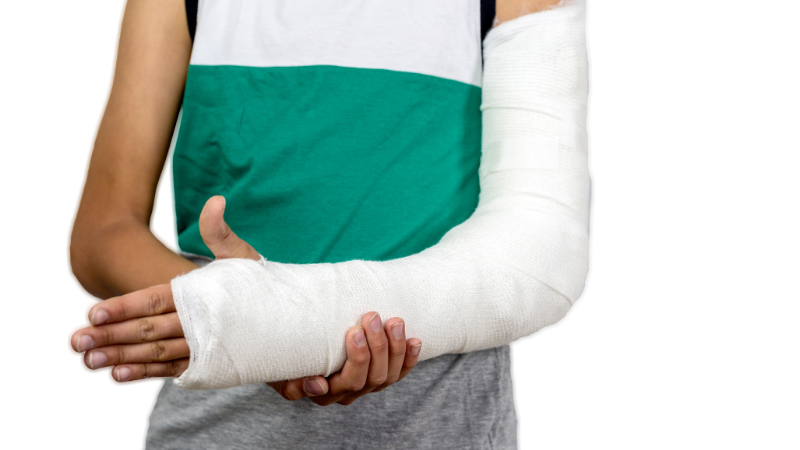
Cast or Splint: Simple fractures are immobilized in a cast so that the bones unite properly. This restricts bone movement and allows it to heal properly. The cast is typically worn for 4-6 weeks.
-
Surgical Intervention: Surgery may be required for compound fractures where bones are displaced or in open fractures. During surgery, plates, screws, or pins are used to ensure that the bones heal in the correct position.
-
Physical Therapy: After the fracture has healed, physical therapy may be required to regain arm function and strengthen muscles. Physical therapy is important for restoring mobility and preventing complications.
Recovery Process and Rehabilitation
The healing time of arm fractures depends on the severity of the fracture and the treatment method. While simple fractures can heal within 4-6 weeks, severe fractures requiring surgical intervention may take several months to heal. Physical therapy plays a major role in the recovery process. Regular exercises help the arm regain its previous function.
Complications
When left untreated or improperly treated, arm fractures can lead to complications. These complications include:
- Malunion: Healing of the bone in an abnormal position.
- Joint stiffness: Restricted movement, especially in the elbow region.
- Nerve and vascular injuries: Nerves and blood vessels may be damaged, particularly in open fractures.
- Infection: There is a high risk of infection in open fractures.
Methods for Preventing Arm Fractures
Although it is not possible to prevent arm fractures entirely, certain precautions can be taken to reduce the risks:
- Use protective equipment during sports: Wearing appropriate protective gear, especially in contact sports or high-risk activities, reduces the risk of fractures.
- Be cautious: It is important to stay cautious and avoid slippery surfaces to minimize fall risks in daily life.
- Pay attention to Vitamin D and Calcium intake: Getting adequate amounts of calcium and vitamin D for bone health helps keep bones strong.
Conclusion
Arm fractures are serious orthopedic injuries that require prompt and proper treatment. Although treatment options vary depending on the type and location of the fracture, early intervention always yields the best results. Our orthopedic clinic in Levent always provides professional support for emergency orthopedic conditions such as arm fractures. If an arm injury is suspected, seeking specialist assistance without delay will help both alleviate pain and prevent complications.