


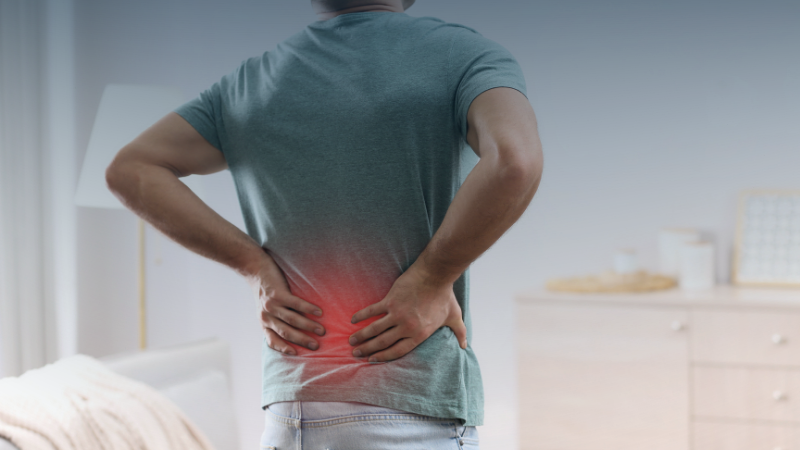
Low Back Pain and Lumbar Disc Herniation: Causes, Symptoms, and Treatment Methods
What Is Low Back Pain?
Low back pain is one of the most common health problems encountered in daily life. Desk jobs, sedentary lifestyle, and poor posture, in particular, can lead to low back pain. Factors that cause stress on the muscles, ligaments, and vertebrae in the lumbar region are among the most common causes of this pain.
What Is a Lumbar Disc Herniation?
A lumbar disc herniation occurs when the discs between the vertebrae slip out of place or tear. This condition causes the discs to put pressure on the nerves and can lead to severe pain. It usually occurs as a result of heavy lifting, sudden movements, or age-related degeneration.
Symptoms of a Lumbar Disc Herniation
Symptoms of a lumbar disc herniation may vary from person to person, but the most common symptoms include:
- Low Back Pain: It is the most common symptom of a herniation.
- Radiating Leg Pain: A herniation compressing the nerve roots can cause pain, numbness, and tingling in the legs.
- Limited Mobility: Movement becomes difficult due to pain in the lower back and legs.
- Muscle Weakness: Loss of strength in the legs and decreased reflexes may be observed.
What Causes a Lumbar Disc Herniation?
A lumbar disc herniation usually occurs due to excessive strain, heavy lifting, improper movements, or staying in a poor posture for extended periods. As the discs lose their elasticity with aging, the risk of herniation also increases. In addition, lifestyle factors such as inactivity and obesity raise the risk of lumbar disc herniation.
Treatment of Lumbar Disc Herniation
Various methods are used in the treatment of lumbar disc herniation, and the treatment plan is determined according to the severity of the herniation:
- Medication: Pain relievers and anti-inflammatory drugs relieve pain.
- Physical Therapy: Exercises that strengthen muscles and support the spine are recommended.
- Injections: Steroid injections around the nerve roots can be used to alleviate pain.
- Surgery: Surgical intervention may be required in advanced cases. The pressure on the nerves is eliminated through an operation called a discectomy.
Is Surgery Necessary for a Lumbar Disc Herniation?
Surgery is not necessary in every lumbar disc herniation case. Usually, conservative treatment methods are applied when the herniation is mild or moderate. However, if there is severe nerve damage, uncontrollable pain, or significant loss of strength in the legs, surgery may be unavoidable.
Prevention Methods for Lumbar Disc Herniation
The following precautions can be taken to reduce the risk of lumbar disc herniation:
- Regular Exercise: Performing exercises that strengthen the back and abdominal muscles.
- Improving Posture: Adopting proper sitting and standing positions.
- Avoiding Heavy Lifting: Lifting by using the knees rather than the lower back.
- Losing Excess Weight: Obesity can increase the risk of a lumbar disc herniation.
Conclusion
Low back pain and lumbar disc herniation are common problems that adversely affect quality of life. With early diagnosis and proper treatment methods, the effects of these conditions can be significantly reduced. Regular exercise and a healthy lifestyle play an important role in preventing lumbar disc herniation.