


Cervical Disc Herniation: Symptoms, Causes, and Treatment Options
What Is a Cervical Disc Herniation?
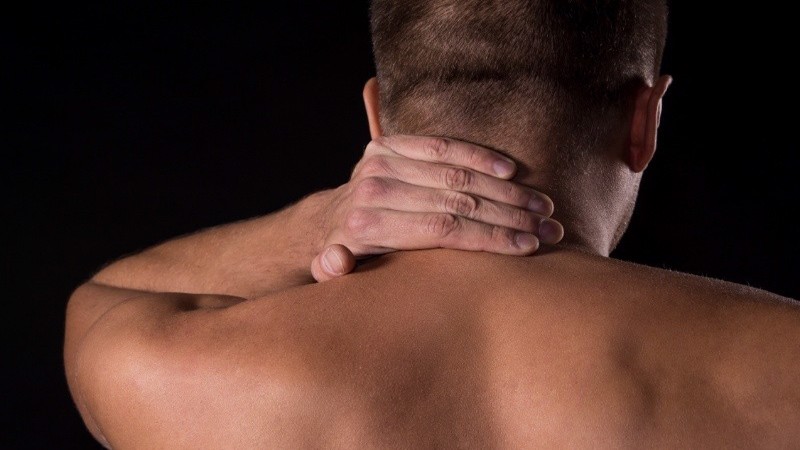
Cervical disc herniation is a condition where the discs between the cervical vertebrae rupture and put pressure on the spinal cord or nerve roots. This condition can cause neck pain, numbness, tingling, and pain radiating down the arms. Cervical disc herniation is particularly common among desk workers and individuals who remain sedentary for long periods.
What Causes a Cervical Disc Herniation?
The most common causes of cervical disc herniation include:
- Aging: Over time, the water content in the discs decreases, causing them to lose elasticity and herniate.
- Trauma: Situations such as accidents, falls, or sudden blows to the neck can cause a cervical disc herniation.
- Poor Posture: Sitting or working with poor posture for extended periods puts pressure on the discs in the neck, which can lead to herniation.
- Heavy Lifting: Lifting heavy loads improperly can cause a cervical disc herniation.
What Are the Symptoms of a Cervical Disc Herniation?
Symptoms of cervical disc herniation can vary depending on the size of the herniation and the degree of pressure on the nerves. Common symptoms include:
- Neck and Shoulder Pain: The most common symptom of a cervical disc herniation is pain in the neck and shoulders.
- Numbness and Tingling in the Arms: If the herniated disc compresses nerves, numbness or tingling may be felt in the arms and hands.
- Decreased Muscle Strength: In some cases, muscle weakness may develop in the arm or hand.
- Headache: Cervical disc herniation can also cause headaches, particularly pain felt in the back of the head.
How Is a Cervical Disc Herniation Diagnosed?
Diagnosis of a cervical disc herniation usually begins with a physical examination based on the patient's complaints. The doctor evaluates the presence of pain restricting neck movements, changes in reflexes, and numbness or loss of strength in the arms. Imaging methods are used for a definitive diagnosis:
- X-ray: Provides general information about the condition of the vertebrae.
- MRI (Magnetic Resonance Imaging): Shows the condition of the discs, nerve roots, and spinal cord in detail.
- CT (Computed Tomography): Provides detailed images of bone structures and discs.
Treatment of Cervical Disc Herniation
Treatment of a cervical disc herniation varies depending on the patient's condition and the severity of the herniation. Treatment methods include:
Non-Surgical Treatment Methods
- Rest and Activity Restriction: Avoiding excessive movements and resting the neck area can relieve pain.
- Medication: Pain relievers, muscle relaxants, and anti-inflammatory drugs are used to reduce pain and inflammation.
- Physical Therapy: Exercises guided by a physical therapist are important for strengthening neck muscles and improving flexibility.
- Injections: Steroid injections into nerve roots can reduce pain and inflammation.
Cervical Disc Herniation Surgery
Cervical disc herniation surgery is recommended when non-surgical treatments fail or in cases of severe nerve compression. The goal of surgery is to relieve pressure on the nerves, alleviating pain and restoring nerve function.
How Is Cervical Disc Herniation Surgery Performed?
Cervical disc herniation surgery is generally performed using microsurgical techniques. During surgery, the herniated disc is removed and pressure between the vertebrae is reduced. When necessary, an artificial disc can be placed between the vertebrae or a spinal fusion procedure can be performed to maintain spinal stability.
Recovery Process After Cervical Disc Herniation Surgery
The recovery process after cervical disc herniation surgery can vary from person to person. Patients can usually return to daily activities within a few weeks after surgery. However, full recovery can take 2 to 3 months. Postoperative physical therapy is important to accelerate healing and strengthen the neck muscles. During the postoperative period, patients must avoid strenuous movements affecting the neck and follow their doctor's recommendations.
Contact Us
If you are experiencing symptoms of a cervical disc herniation or would like to learn more about treatment options, do not hesitate to contact our specialist team. We are here to inform you about the most suitable treatment methods and help you regain your health. Contact us today to schedule your appointment and take the first step toward neck health.