


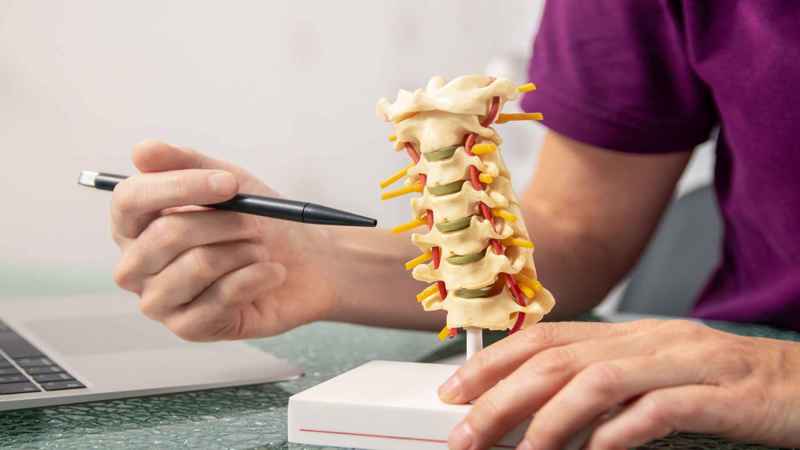
What Is Spondylolisthesis?
Spondylolisthesis is a condition that alters the normal alignment of the spine and is characterized by one vertebra slipping forward over another. This slippage causes pressure on surrounding tissues and nerves, leading to pain and other symptoms. Normally, the bones of the spine (vertebrae) align vertically on top of each other, supported by ligaments and joints. However, in spondylolisthesis, this structure is disrupted and the vertebra slips forward.
How Does Spondylolisthesis Develop?
Spondylolisthesis usually develops due to the following reasons:
Spondylolysis
Defects in the bony ring of the vertebra can cause the vertebra to slip forward.
Problems in Facet Joints
Facet joints hold the vertebrae together and prevent L5 from slipping over the sacrum. Problems in these joints can lead to vertebral slippage.
Repetitive Stress
Repetitive stress seen in athletes involved in sports such as gymnastics and soccer can cause stress fractures and spondylolysis.
Degenerative Changes
Wear and tear in the discs and facet joints associated with aging can cause the vertebra to slip forward. This condition is generally seen in individuals over 40 years of age.
Signs and Symptoms of Spondylolisthesis
Common symptoms seen in patients with spondylolisthesis include:
Low Back and Buttock Pain
Pain usually felt in the lower back and buttocks.
Increased Pain with Backward Bending
Increase in pain with backward bending, and decrease in pain with forward bending.
Muscle Spasms
Frequent spasms in the lower back muscles.
Hamstring Muscle Tightness
Tightness in the muscles at the back of the thigh.
Signs of Nerve Compression
Numbness, tingling, slowed reflexes, and muscle weakness in the legs due to nerve compression.
Diagnosis of Spondylolisthesis
The diagnosis of spondylolisthesis begins with a detailed medical history and physical examination. The doctor evaluates the patient's complaints and how they affect daily life. The following tests can be used to make a diagnosis:
X-Ray
By imaging the spine in different positions, which vertebra has slipped and the extent of slippage are determined.
Computed Tomography (CT)
Used for detailed evaluation of bone tissues.
Magnetic Resonance Imaging (MRI)
Provides detailed information regarding nerves and soft tissues.
Spondylolisthesis Treatment Methods
Non-Surgical Treatment
In cases where the spine has not slipped significantly, non-surgical treatments are applied primarily:
-
Rest and Activity Modification:
Recommended to rest the back and reduce inflammation. -
Medications:
Pain relievers and muscle relaxants are used to reduce pain and spasms. -
Physical Therapy:
Exercises to strengthen back and abdominal muscles are performed under the guidance of a physical therapist. -
Epidural Steroid Injections:
Steroid injections into nerve roots can be administered to reduce pain and swelling.
Surgical Treatment
When non-surgical treatment methods are insufficient or in severe cases, surgical intervention may be required. Surgical treatment options include:
-
Laminectomy:
Removal of the lamina to relieve pressure on the nerve. -
Posterior Fusion with Instrumentation:
Joining two vertebrae with metal plates and screws to stop motion. -
Posterior Lumbar Interbody Fusion:
A surgical technique applied to stabilize the spine from both the front and the back.
Spondylolisthesis Rehabilitation Process
Non-Surgical Rehabilitation
Non-surgical treatment of spondylolisthesis generally includes physical therapy. The physical therapy process includes:
-
Pain Management:
Various therapies are applied to reduce pain and relieve spasms. -
Exercises:
Exercise programs are implemented to strengthen abdominal and lower back muscles and increase flexibility.
Post-Surgical Rehabilitation
Post-surgical rehabilitation is more comprehensive and typically includes:
-
Hospital Stay:
Patients need to stay in the hospital for a period of time after surgery. -
Use of a Brace or Cast:
A brace or cast may be used to allow the spine to heal following fusion surgery. -
Physical Therapy:
A physical therapy program begins after the fusion has completed its healing process.
Frequently Asked Questions About Spondylolisthesis
-
How is spondylolisthesis diagnosed?
It is diagnosed through physical examination and imaging methods. -
Does spondylolisthesis cause pain?
Yes, vertebral slippage and nerve compression in the spine can cause pain. -
How effective is non-surgical treatment?
It can be effective in cases where the spine has not slipped significantly. -
When is surgical treatment necessary?
Surgical intervention may be required in severe cases and when non-surgical treatments are insufficient. -
Is spondylolisthesis surgery risky?
Like any surgical procedure, spondylolisthesis surgery carries some risks, but these risks are minimized when performed by an experienced surgical team. -
How long does spondylolisthesis surgery take?
The duration of the surgery varies depending on the surgical technique used and the patient's condition. -
What is the recovery process like after spondylolisthesis?
The recovery process varies depending on the patient's overall health status and the applied treatment method. -
Can someone with spondylolisthesis return to normal activities?
Yes, returning to normal activities is possible after appropriate treatment and rehabilitation. -
Can spondylolisthesis be prevented?
Regular exercise, proper posture, and appropriate weight-lifting techniques can reduce the risk. -
Which age groups does spondylolisthesis affect?
It can occur for different reasons in younger and older individuals, but it can be seen in any age group.