

Shoulder replacement surgery in Istanbul, Turkey replaces a worn or fractured shoulder joint with an artificial one to relieve pain and restore movement when other treatment has not helped. Surgeons choose between an anatomic and a reverse design depending on the rotator cuff and the bone. Rehabilitation matters as much as the operation itself.
Key Points
- Who it helps: people with advanced shoulder arthritis, a severely damaged rotator cuff with arthritis, or a fracture that cannot be repaired.
- Before surgery: physical examination, X-rays and usually a CT or MRI scan; exercise, medication and injections are normally tried first.
- Recovery: a sling for several weeks, guided physiotherapy, and gradual improvement over 6 to 12 months.
- In Istanbul: send your reports and imaging before the visit, plan time for a wound check, and continue rehabilitation with a local therapist at home.
What is shoulder replacement surgery?
Shoulder replacement, also called shoulder arthroplasty, is an operation in which the damaged surfaces of the shoulder joint are removed and replaced with a metal and plastic implant. The aim is to reduce pain and to give back useful movement for daily tasks such as dressing, reaching a shelf or sleeping without waking in pain.
The shoulder is a ball-and-socket joint. The ball is the head of the upper arm bone (humerus) and the socket is a shallow cup on the shoulder blade (glenoid). A ring of tendons called the rotator cuff holds the ball in the socket and lifts the arm. Because the joint is so mobile and depends on muscles more than on bone shape, replacing it is a different problem from replacing a hip or a knee.
There are three main types of operation: total shoulder replacement with an anatomic design, reverse shoulder replacement, and partial replacement (hemiarthroplasty) in which only the ball is replaced. Which one suits you depends on the state of the cartilage, the rotator cuff and the bone, and on your age and activity level.
Who needs a shoulder replacement?
Surgery is considered when shoulder pain and stiffness stay severe despite sensible non-surgical treatment, and when scans show damage that cannot be repaired by a smaller procedure. The most common reasons are:
- Osteoarthritis: wear of the cartilage, with night pain, grinding and loss of rotation.
- Rotator cuff tear arthropathy: a long-standing, irreparable cuff tear that has allowed the ball to rub against the socket and damaged the joint.
- Fractures of the upper arm bone: complex breaks of the humeral head, especially in older patients, where the bone cannot be fixed reliably.
- Inflammatory arthritis: for example rheumatoid arthritis.
- Avascular necrosis: loss of blood supply to the humeral head, causing it to collapse.
- Old dislocations or failed earlier surgery: where the joint surface has been damaged over time.
Surgery is not usually recommended for pain alone without joint damage on imaging, for active infection, or when the nerves that move the shoulder are not working. An orthopedic specialist has to confirm the cause first, because neck problems and nerve conditions can also cause shoulder pain.
Anatomic or reverse shoulder replacement: which one?
The key question is whether your rotator cuff still works. An anatomic replacement copies the natural anatomy and depends on a healthy cuff to move the arm. A reverse replacement swaps the ball and socket so that the large deltoid muscle can lift the arm when the cuff is torn or absent.
| Anatomic total | Reverse total | Hemiarthroplasty | |
|---|---|---|---|
| Design | Metal ball on the humerus, plastic socket on the shoulder blade | Ball fixed to the shoulder blade, cup on the humerus | Metal ball only, natural socket kept |
| Rotator cuff needed | Yes, working cuff | No, relies on the deltoid | Usually yes |
| Typical use | Osteoarthritis with an intact cuff | Cuff tear arthropathy, complex fractures, revision surgery | Some fractures, selected younger patients |
| Main limit | Cuff failure over time | Less rotation; some restrictions on heavy overhead use | Socket wear can continue |
Reverse replacement is now used more widely than it once was, including for arthritis with a weakened cuff and for some fractures in older adults. Your surgeon decides after examining the shoulder, reviewing the scans and, if needed, the quality of the muscle on MRI.
What are the alternatives to shoulder replacement?
Most people should try non-surgical treatment first. These options can reduce symptoms for months or years, although they do not rebuild worn cartilage:
- Activity changes and physiotherapy: exercises for the shoulder blade muscles and gentle range of motion keep the joint moving.
- Medication: simple pain relief or anti-inflammatory tablets, used as your doctor advises.
- Injections: corticosteroid injections can calm a flare for a limited time.
- Arthroscopy: keyhole surgery can clean the joint or repair a tear in selected cases, but it is not a substitute for replacement when the cartilage is gone.
- Fracture treatment without surgery: some shoulder fractures heal in a sling with rehabilitation.
Complementary options such as ozone therapy or prolotherapy are offered at İSOM in some painful joint conditions, but they are not a replacement for surgery once the joint surfaces have collapsed. If you are unsure which category you are in, an examination with imaging answers the question.
How is the operation done?
The operation is usually performed under general anesthesia, often combined with a nerve block around the shoulder to ease pain in the first hours. It commonly takes about one to two hours.
The surgeon makes an incision at the front of the shoulder, moves aside or detaches the tendon in front of the joint, and removes the damaged humeral head. The socket on the shoulder blade is prepared and fitted with its component, and a stem is placed inside the humerus to carry the new ball. The tendon is then repaired and the wound closed.
Most patients stay in hospital for one to three nights. The arm rests in a sling, and gentle movement starts early under the guidance of a physiotherapist. Before you go home you should know how to wash, dress, sleep and take your medication, and who to call if the wound or your temperature changes.
What does recovery after shoulder replacement look like?
Recovery is a process of protecting the repair first, then restoring movement, then rebuilding strength. Timelines vary with the type of implant, the quality of your tendons and how consistently you exercise. The table below shows a typical pattern, which your surgeon will adjust.
| Phase | What happens |
|---|---|
| Days 1 to 3 | Pain control, sling, fingers, wrist and elbow movement, first guided exercises. Hospital stay is usually short. |
| Weeks 1 to 6 | Sling worn most of the day. Gentle passive movement taught by the therapist. Avoid lifting, pushing up from a chair with the operated arm and reaching behind the back. |
| Weeks 6 to 12 | Sling is usually discontinued. Active movement begins, then light strengthening. Many people drive and manage everyday tasks. |
| 3 to 6 months | Strength and endurance work. Most daily activities become comfortable; sleep usually improves. |
| 6 to 12 months | Slow gains continue. Final range of movement and strength become clear around the end of the first year. |
Pain from the arthritis often eases quickly, but muscle strength and flexibility take much longer. Skipping physiotherapy is the most common reason for a disappointing result.
What are the risks, and how long does a shoulder replacement last?
Shoulder replacement is a well-established operation, but it carries risks like any major surgery. They include infection, bleeding, blood clots, stiffness, nerve irritation, fracture of the bone during surgery, loosening of the implant and, especially after reverse replacement, instability of the joint. Risks are higher with diabetes, smoking, obesity and previous shoulder surgery, so these are discussed before an operation is planned.
The implant is not permanent. Many shoulder replacements work well for 10 to 15 years or longer, and reverse and anatomic designs differ in how they wear. Younger and more active patients may need a revision operation within their lifetime, which is more complex than the first.
Contact your surgeon promptly after surgery if you notice fever, increasing redness or discharge at the wound, a sudden loss of movement, new numbness in the hand or calf swelling. These need a prompt examination.
How should you prepare for shoulder replacement surgery?
Good preparation lowers the risk of complications and makes the first weeks easier. The surgeon will ask about your general health, medication and any previous surgery, and may request blood tests and a heart or chest assessment, especially if you are older or have a long-term illness.
- Imaging: X-rays show the joint space and bone shape, a CT scan can show how worn the socket is, and an MRI shows the rotator cuff and its muscle quality.
- Health conditions: blood sugar in diabetes, blood pressure and anemia should be under control before surgery.
- Smoking: stopping several weeks before the operation improves wound and bone healing.
- Medication: blood thinners and some anti-inflammatory drugs may need to be paused. Never stop a prescribed drug without medical advice.
- Dental and skin problems: infections elsewhere in the body can reach the implant, so they are treated first.
- Home setup: arrange clothing that opens at the front, a recliner or extra pillows for sleeping, and help with cooking and shopping for the first weeks.
Practicing exercises with a physiotherapist before surgery, when possible, helps you understand the program you will follow afterwards.
Shoulder replacement in Istanbul for international patients
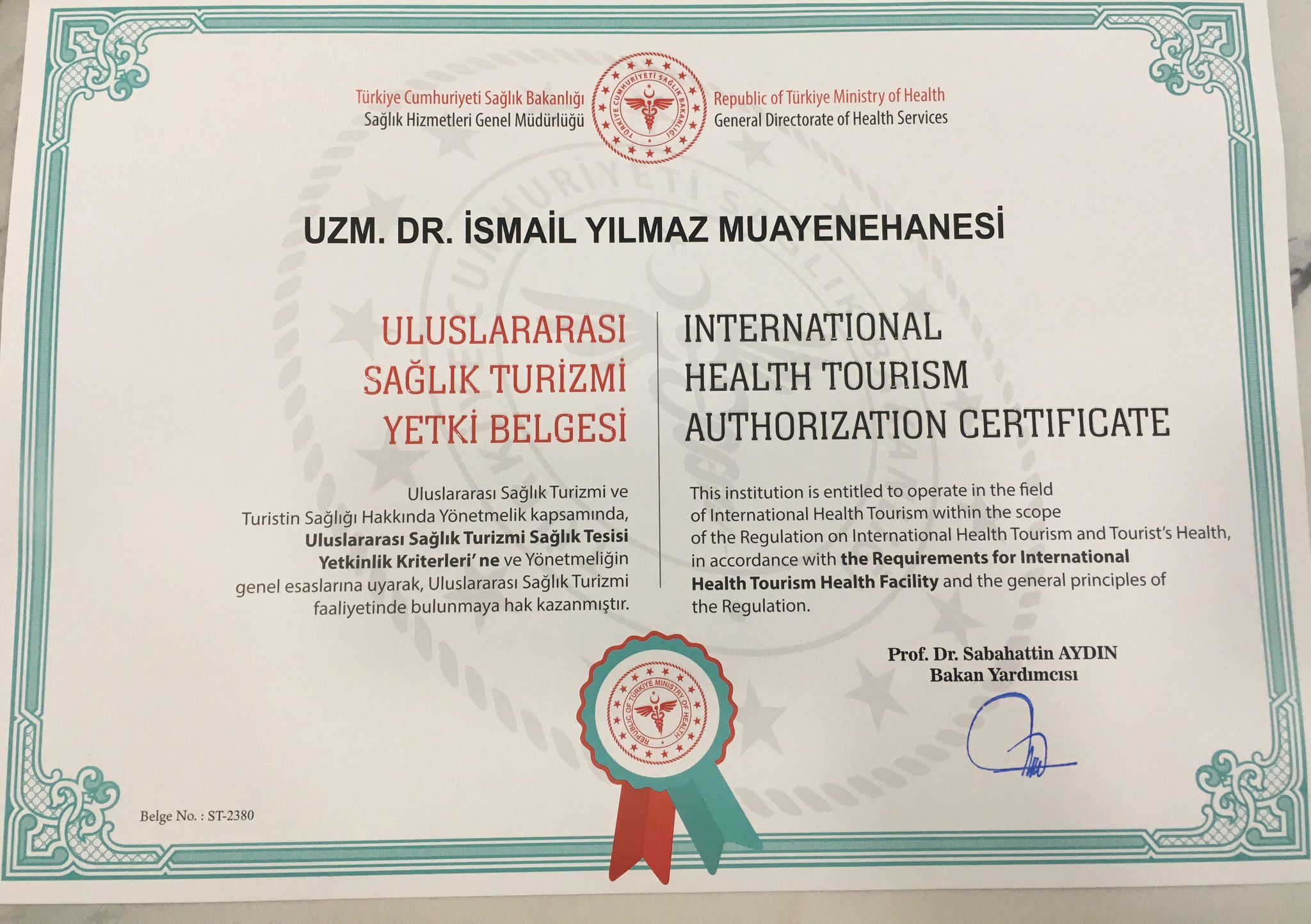
Patients travel to Istanbul for shoulder surgery from many countries. İSOM is an orthopedics and traumatology center in Levent, Beşiktaş, on the European side of the city, founded in 2000 by Dr. İsmail Yılmaz, with about 25 years of clinical experience and more than 100,000 people treated. Planning well makes the trip smoother and safer.
- Before you travel: send recent X-rays, CT or MRI images and any reports so the team can see your history before the consultation. Bring a list of your medication and allergies.
- Assessment first: the surgeon examines you and confirms whether replacement is the right step, and which type. Sometimes the answer is another treatment.
- How long to plan: allow for the hospital stay, a wound check and enough days of rest before flying. Ask your surgeon for a travel date, as this depends on how your wound and arm are doing.
- Rehabilitation: physiotherapy is part of the plan from the first days. Arrange a therapist at home and share the exercise program with them.
- After you return: keep your local doctor informed, book follow-up X-rays and report any concern early.
You can contact İSOM on +90 (212) 324 0 324 or by WhatsApp on +90 (533) 479 63 38 to ask how to send your records.
Related articles
Shoulder replacement
- Shoulder replacement surgery: an overview of indications, technique and recovery.
- What is a shoulder replacement: a plain explanation of the implant and how it works.
- Physical therapy after shoulder replacement: step-by-step rehabilitation.
- Shoulder replacement in Istanbul: what to know when travelling for the operation.
Dislocation, fracture and arthroscopy
- Shoulder dislocation: symptoms, causes and treatment.
- Shoulder dislocation surgery: when repeated dislocations need an operation.
- Shoulder arthroscopy: closed surgery through small incisions.
- I broke my shoulder: first steps and fracture treatment.
Shoulder pain and symptoms
- Shoulder pain: which department?: who to see first.
- Shoulder hurts and you cannot lift the arm: likely causes and what to do.
- Shoulder keeps popping: when popping is harmless and when it is not.
- Shoulder pain worse at night: causes and sleep positions.
Related treatments
- Sports injuries and arthroscopic surgery: keyhole treatment of tendon and joint problems.
- Rehabilitation: structured recovery after surgery or injury.
- Acute and chronic pain treatment: options for ongoing joint pain.
- Traumatology: fractures and dislocations.
Frequently Asked Questions
Consultez Nos Spécialistes en Orthopédie
Contactez notre équipe médicale à Istanbul pour toute question concernant votre diagnostic, vos options chirurgicales et la prise de rendez-vous.